A Slow Line · Field Journal
EAST
Issue I — MMXXVI
Vol. I · No. 01 A Field Journal in Five Movements 51°N → 51°N · Westbound to Eastbound

A Slow
Line
East

Out of a small green island, across the heat of the plains, into the foothills of the Himalaya and onward to the blue domes of the Silk Road — six weeks, five borders, a single notebook. These are the photographs and the field notes, in the order they happened.

Spring 2026 · April — May
4 April – 18 May
15,400 km logged.

Photographs & WordsViviana Osorio Paredes
CamerasNikon D5300 · iPhone
MethodTrain · Coach · Marshrutka · Jeep · A few cheap flights

Prologue — On going east, slowly

There is an hour in early spring when the light over north-east London turns the colour of strong tea, and the only thing to do is to leave. I had been carrying a map in my head for years — the names along it (Samarkand, Bukhara, Almaty) more talisman than place — and so when the cheap fare appeared, I closed my notebook and went.

The intention was to move slowly. To take the long bus instead of the early flight, the shared taxi instead of the private car, the side street instead of the boulevard. Where possible, to arrive a little tired and a little hungry. To let each country teach the next country how to be read.

What follows is the journey in the order it occurred — the camera kept its own time, and once or twice the date stamp lies — but the line is true: London → Delhi → Kathmandu → Tashkent → Almaty. Five movements, four borders, one continuous breath out.

I have kept the field notes mostly as they were: bus fares, weather, half-overheard sentences in five languages, the names of fruit. They are the truest sort of writing I know how to do.

— I —

United
Kingdom

Departure · London & the South

A small green country at the very end of the line. The point of departure, the place one cannot quite see until one has left it. Two slow grey mornings of last walks, last cups of tea, a passport opened to the first blank page.

51.5074° NLatitude
0.1278° WLongitude
14°C · DrizzleWeather on departure

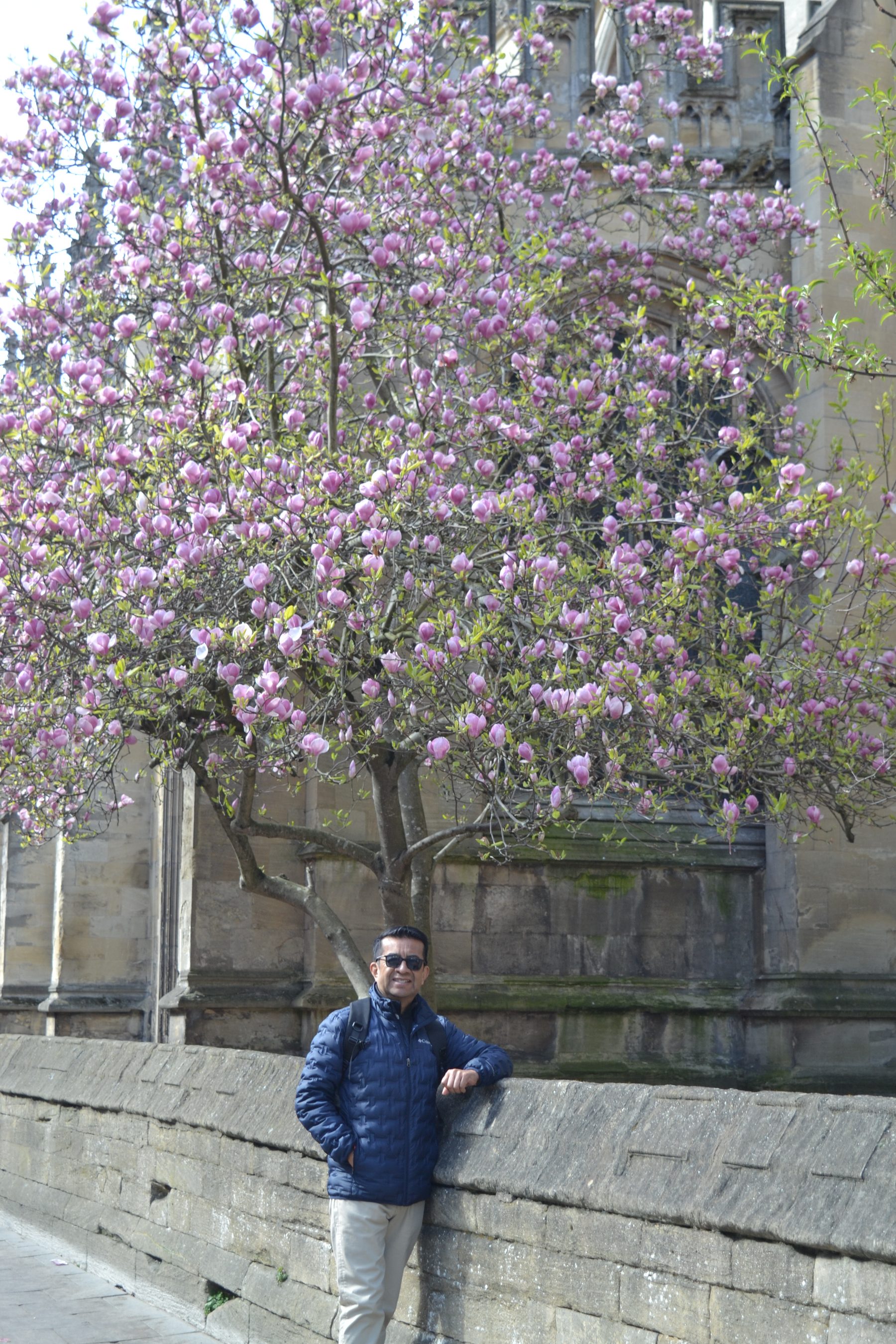
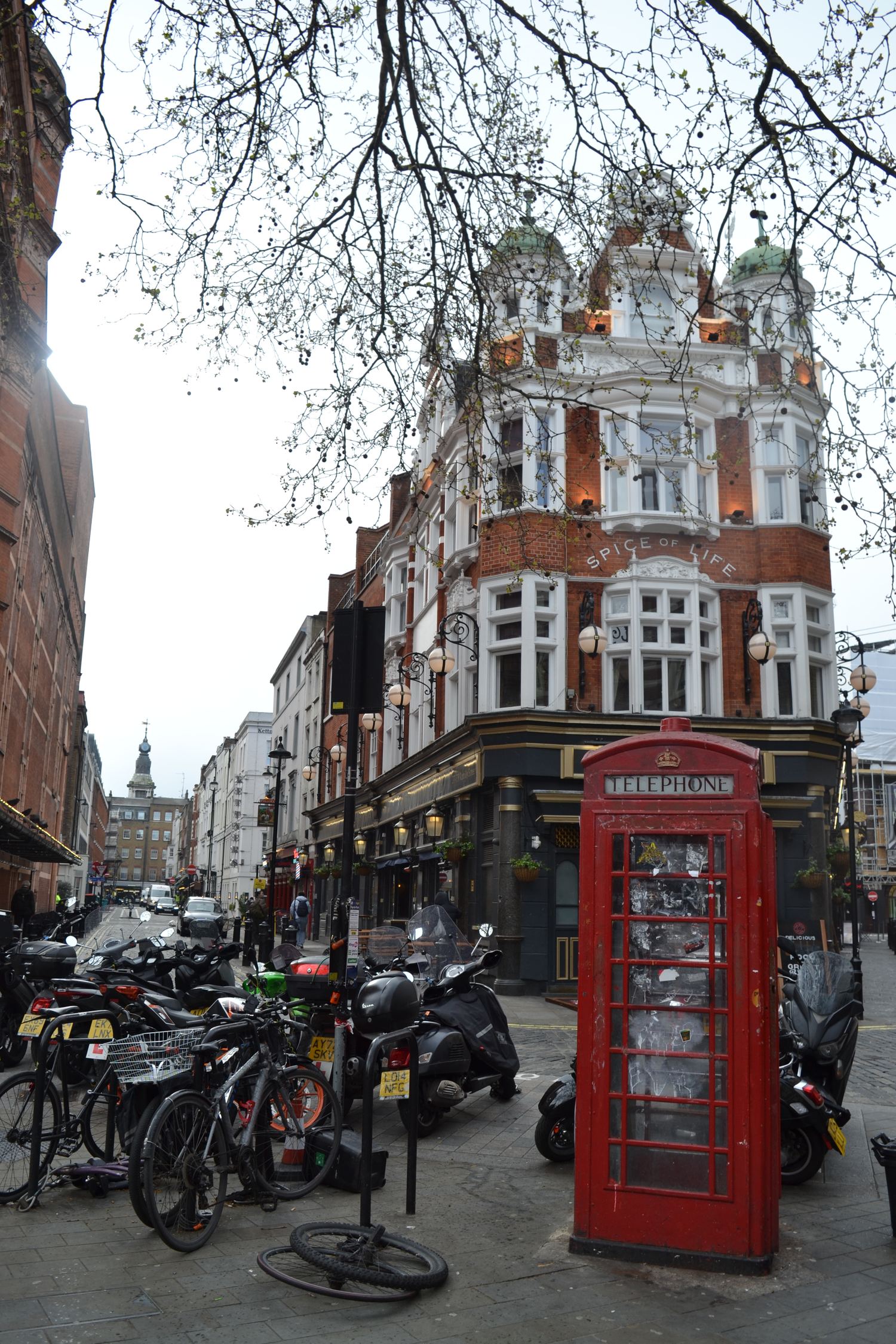
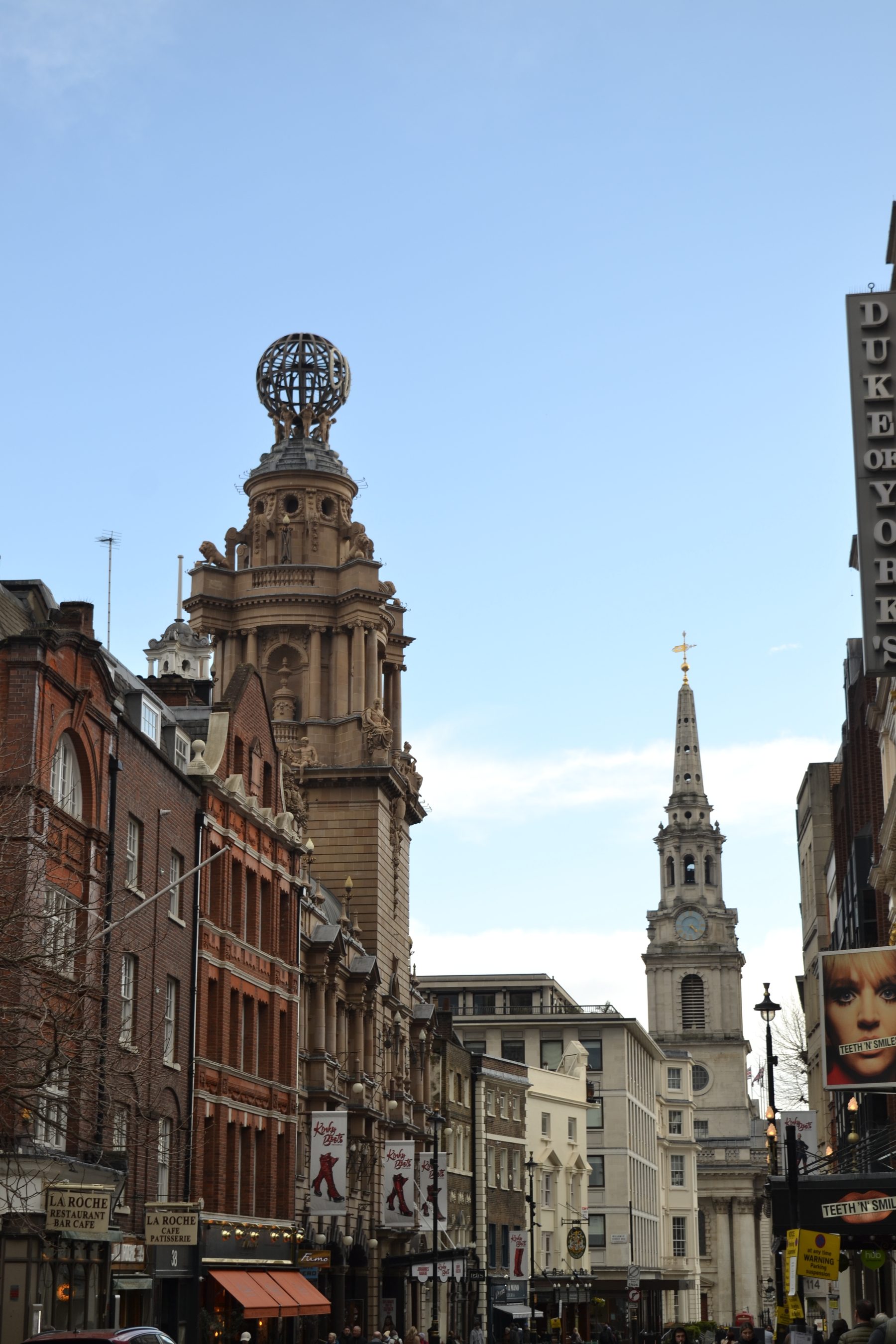
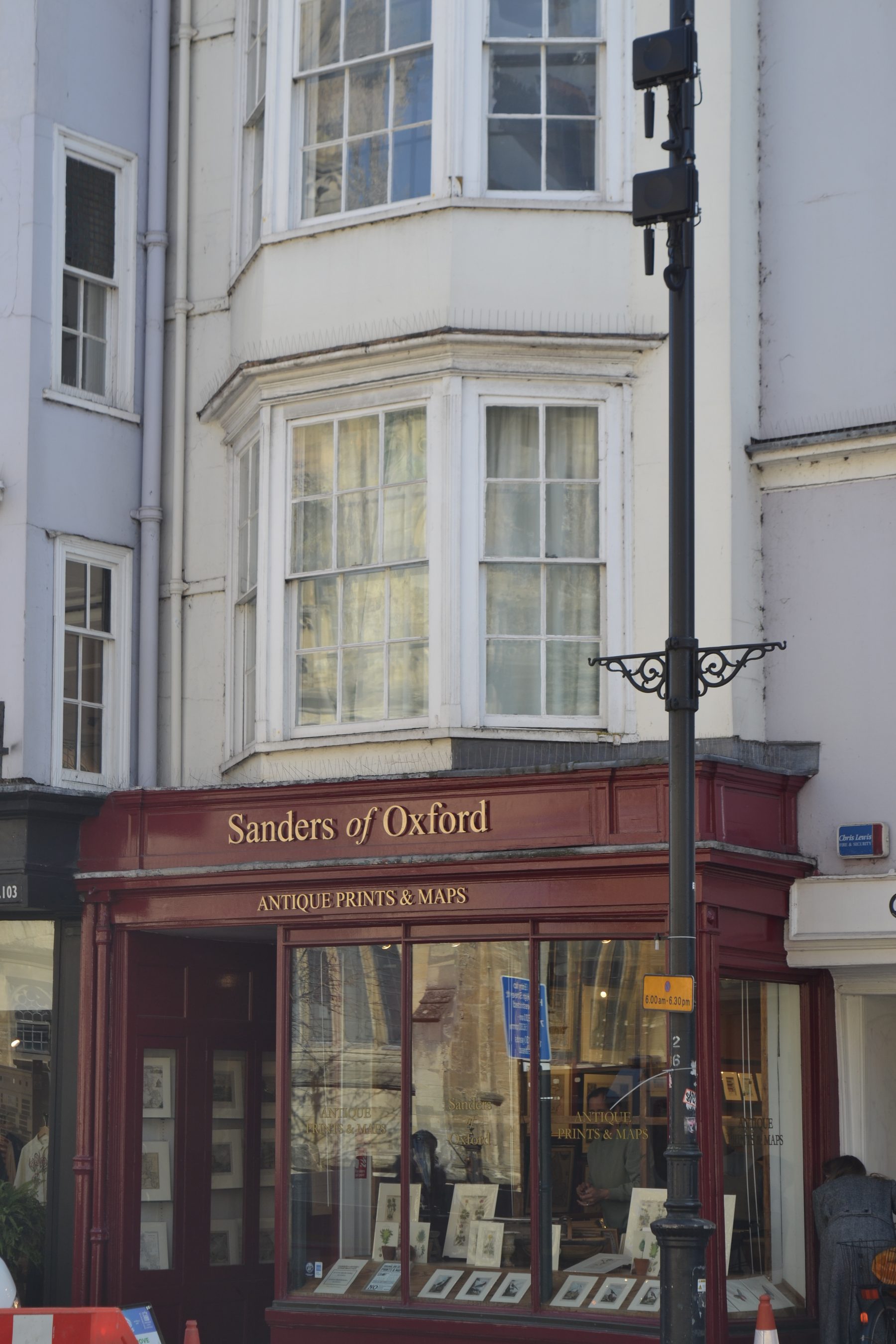
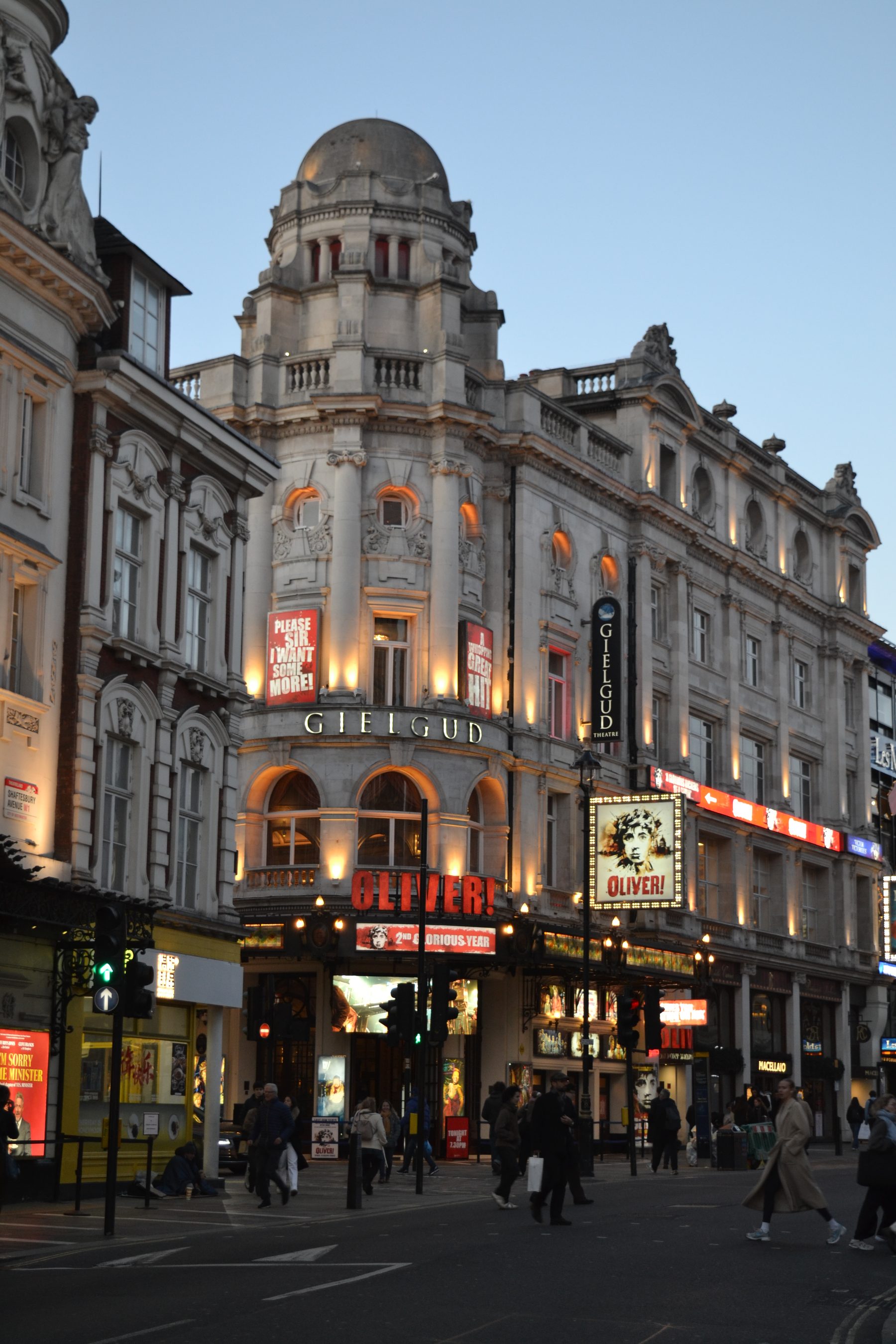
The morning before the flight I walked the canal from Haggerston to the river, the way you might trace a finger along the spine of a closed book. London in early April: the plane trees still bare, the cafés putting out their first chairs, the kind of cold that gets into the pages of a paperback in a coat pocket.

I had been packing and re-packing for three days. By the end the rucksack contained, with ruthless economy, two shirts, a jumper, a windproof, two pairs of socks, a notebook, two rolls of film, the Nikon, charger, a single book (Eothen, Kinglake, 1844, paperback, spine broken), antibiotics, paracetamol, a sleeve of digestive biscuits, and a passport.

Stansted at five in the morning. The terminal almost empty, the coffee almost drinkable, the boarding gate so distant the walk to it felt like the first stage of the journey proper. I bought a bottle of water and an apple. I sat by the window. The plane lifted off into low cloud over Essex and the country, which I had loved imperfectly for years, disappeared in about eleven seconds.
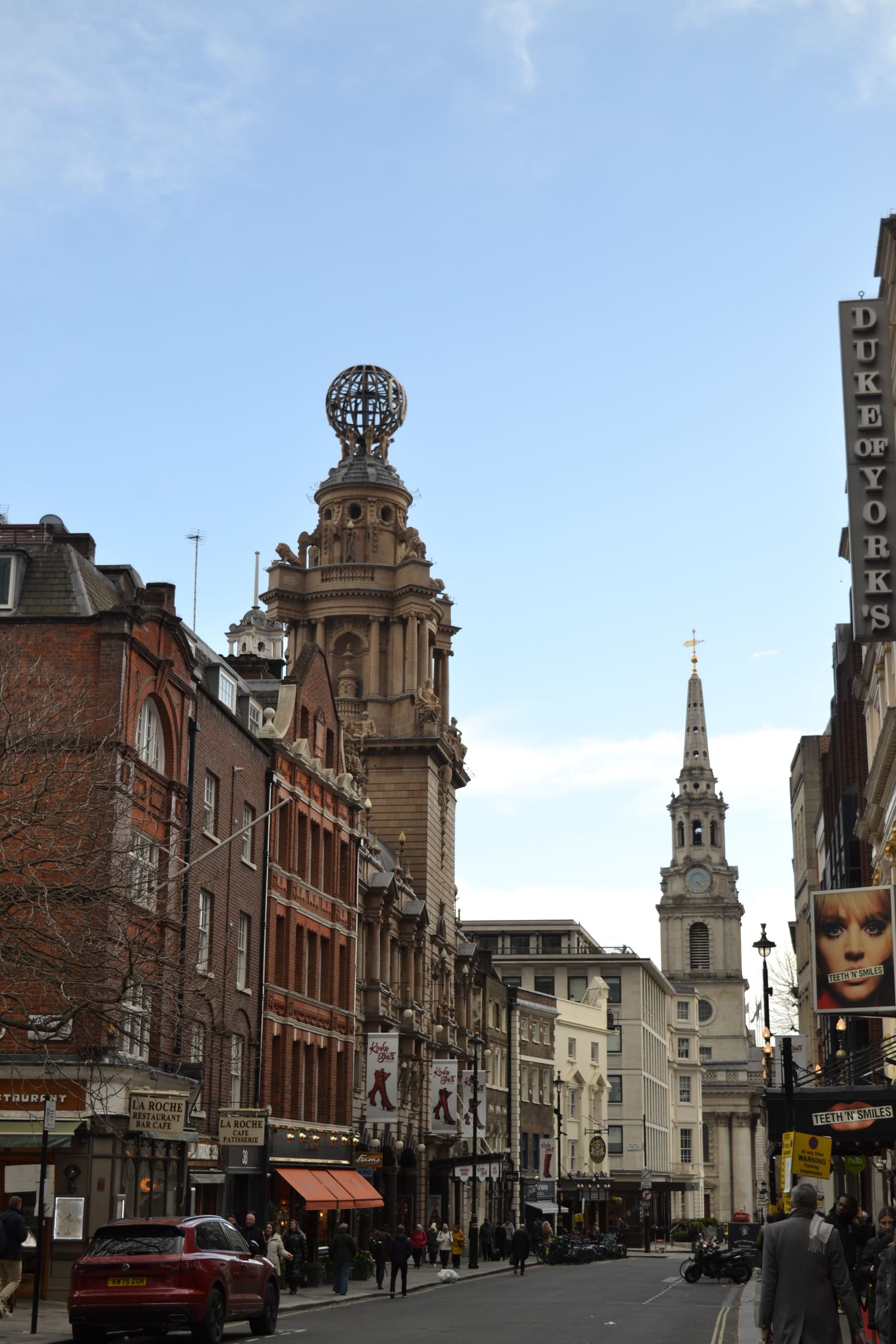
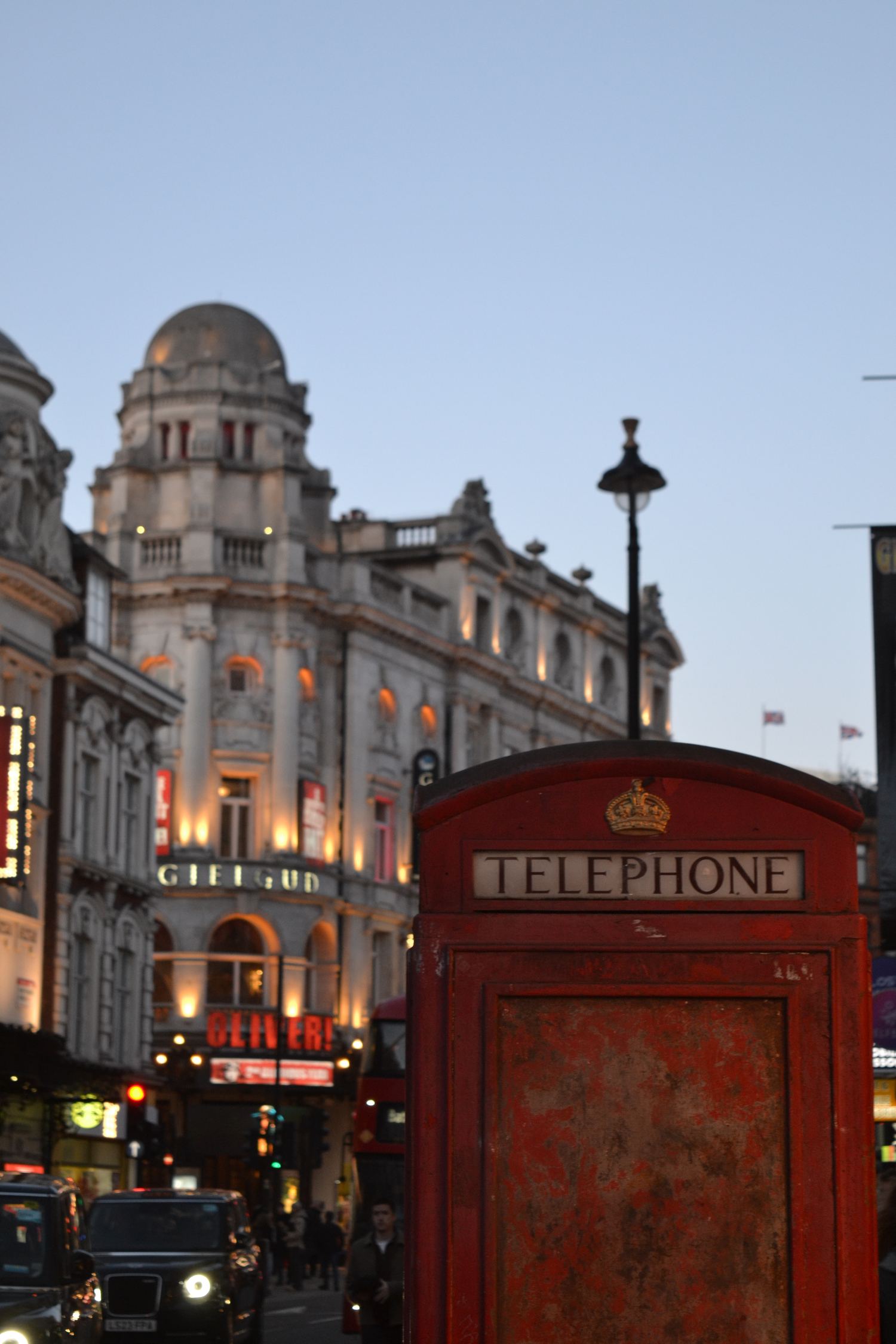
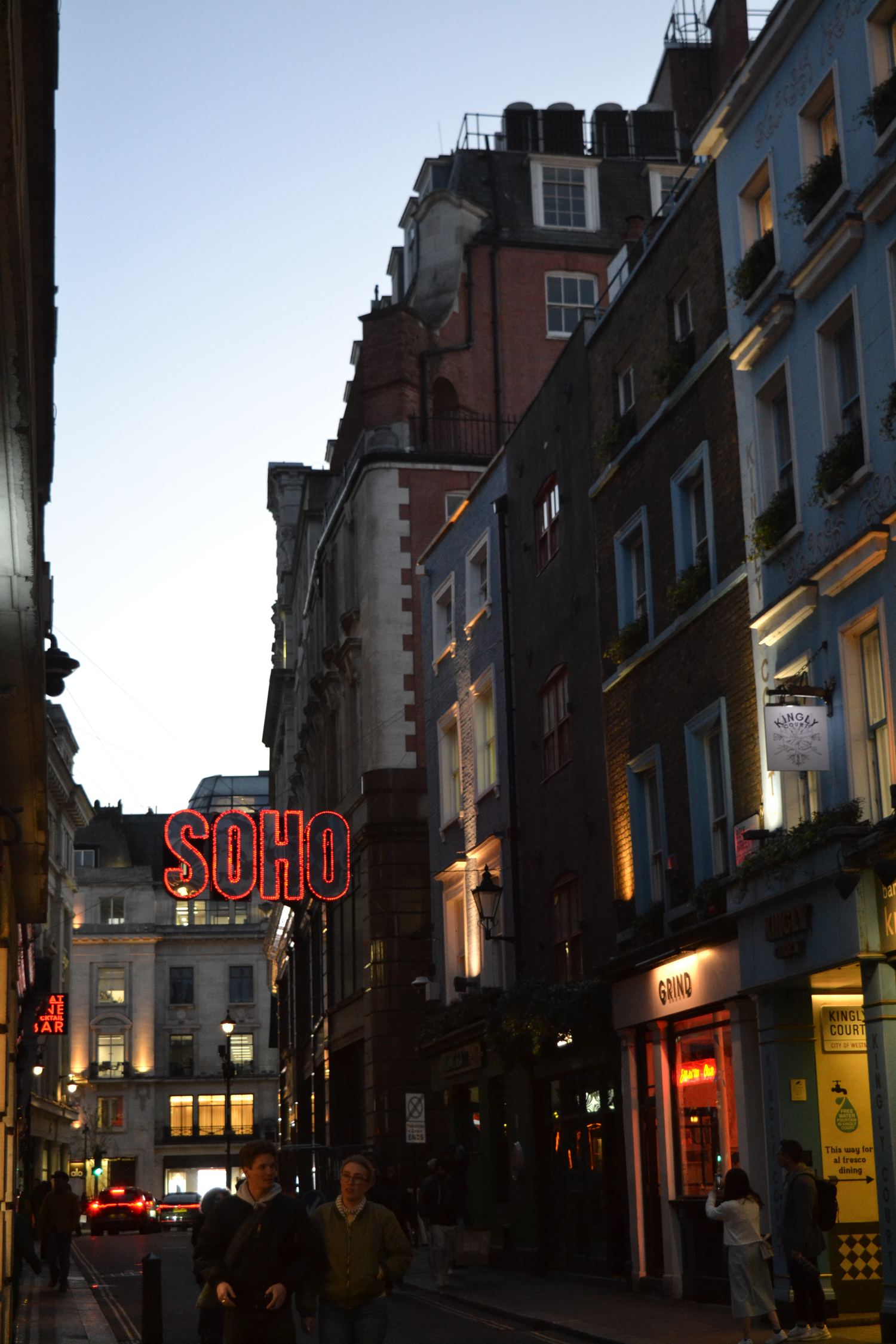
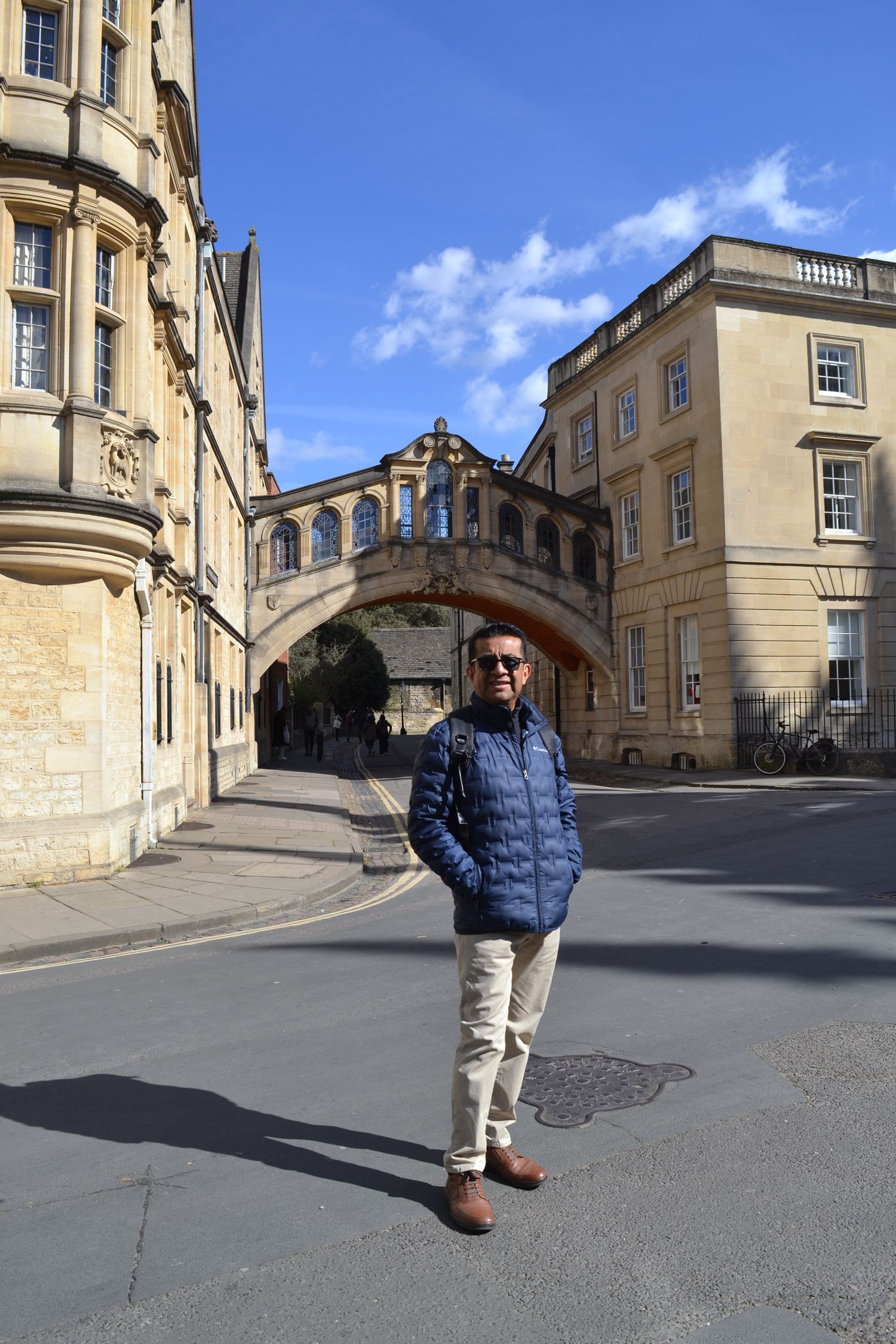
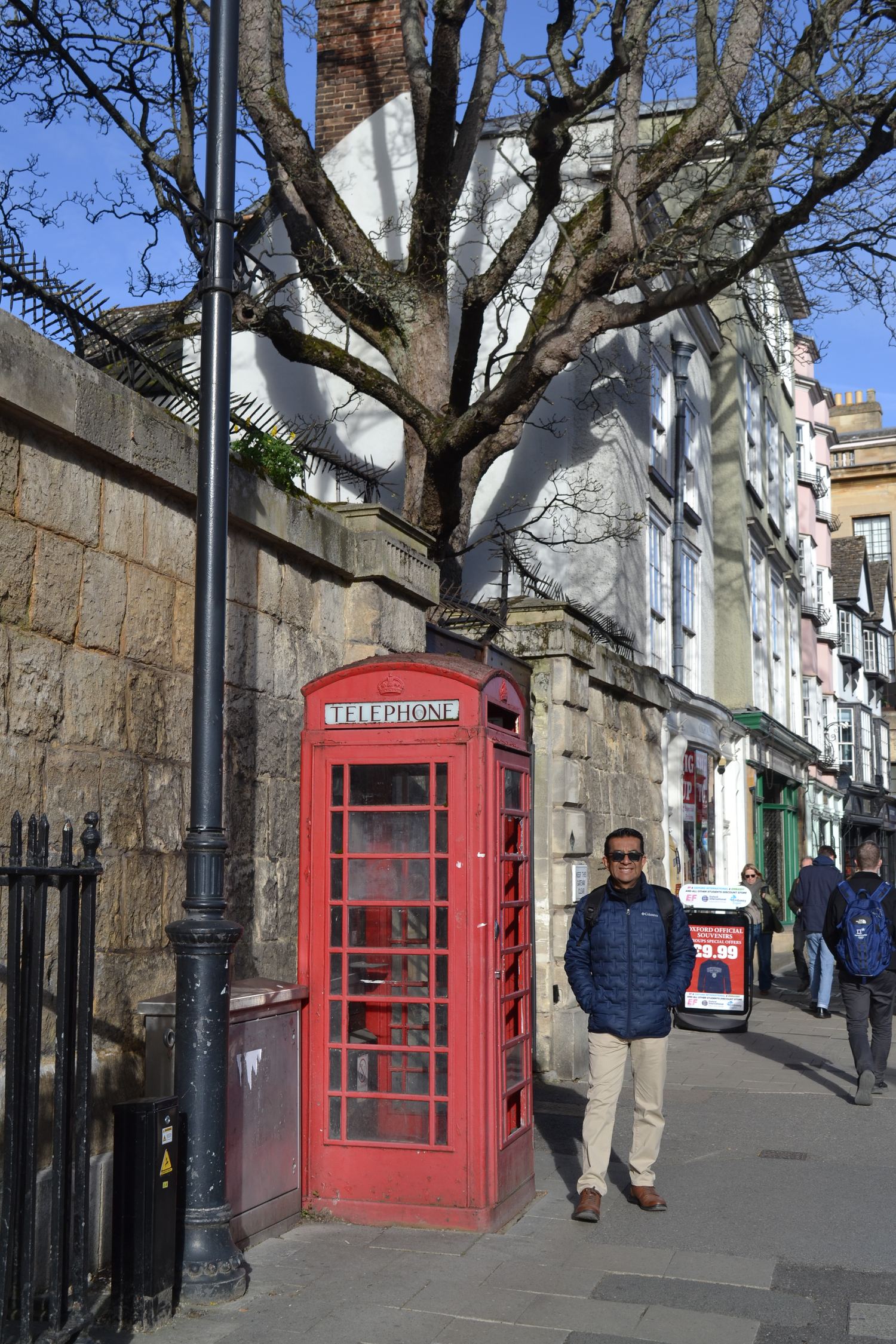
A grey London morning.
London · canal walk19.04 · 10:35
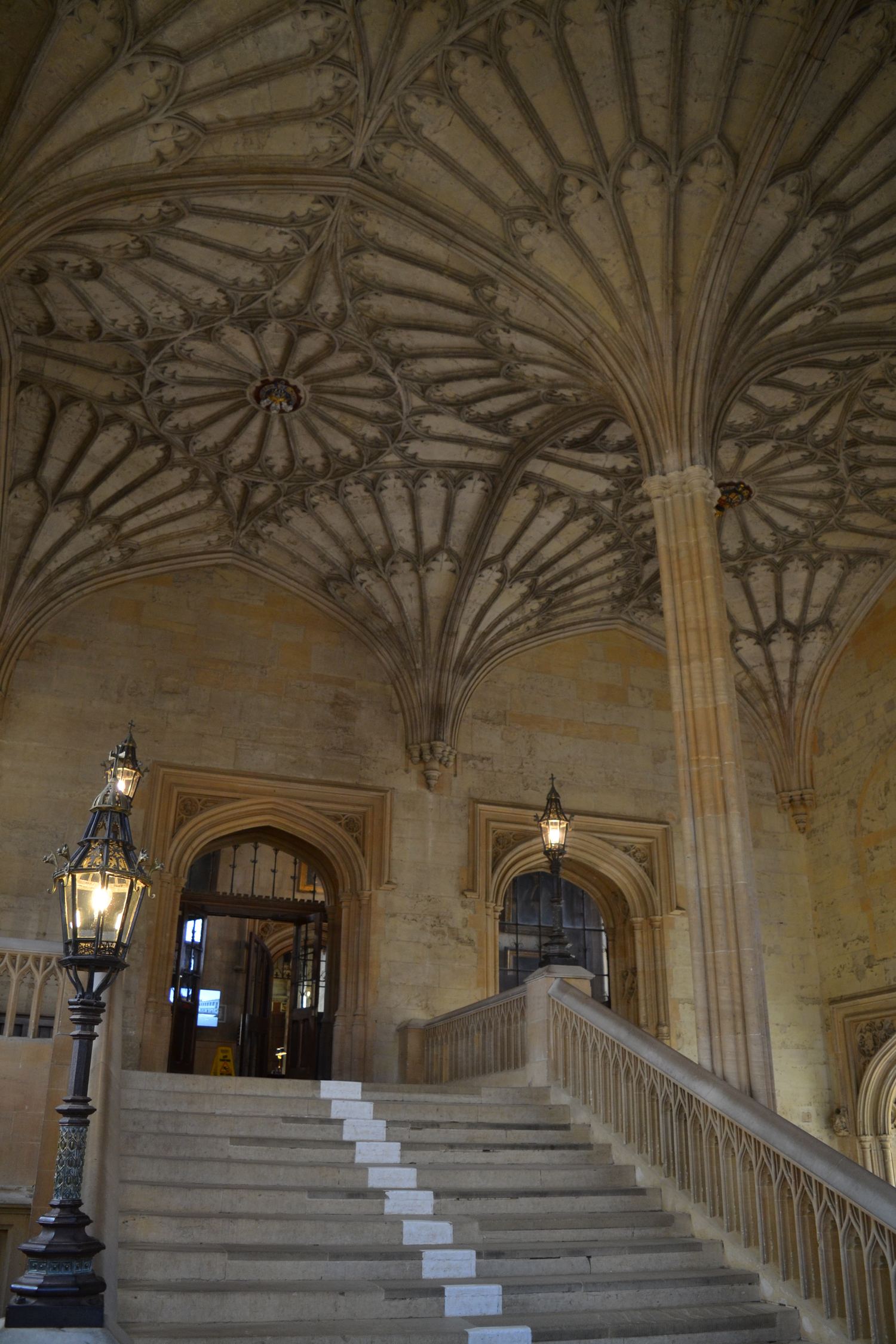
UK landscape.
Last light, southern England20.04 · 10:40
Field Notes — UK
Coffee
£3.40
Tube (peak)
£2.90
Pint
£6.20
Apple, terminal
£1.50
Last text
“landed in a queue”
Weather
14°C · grey · 4mm rain
Pack weight
9.4 kg
“To go away is to die a little — but it is the only sort of dying that returns you, and louder, to the small unfinished business of being alive.” — Notebook, departure day
Further fragments — United Kingdom
— II —

India

Delhi · Jaipur · the Ganges plain

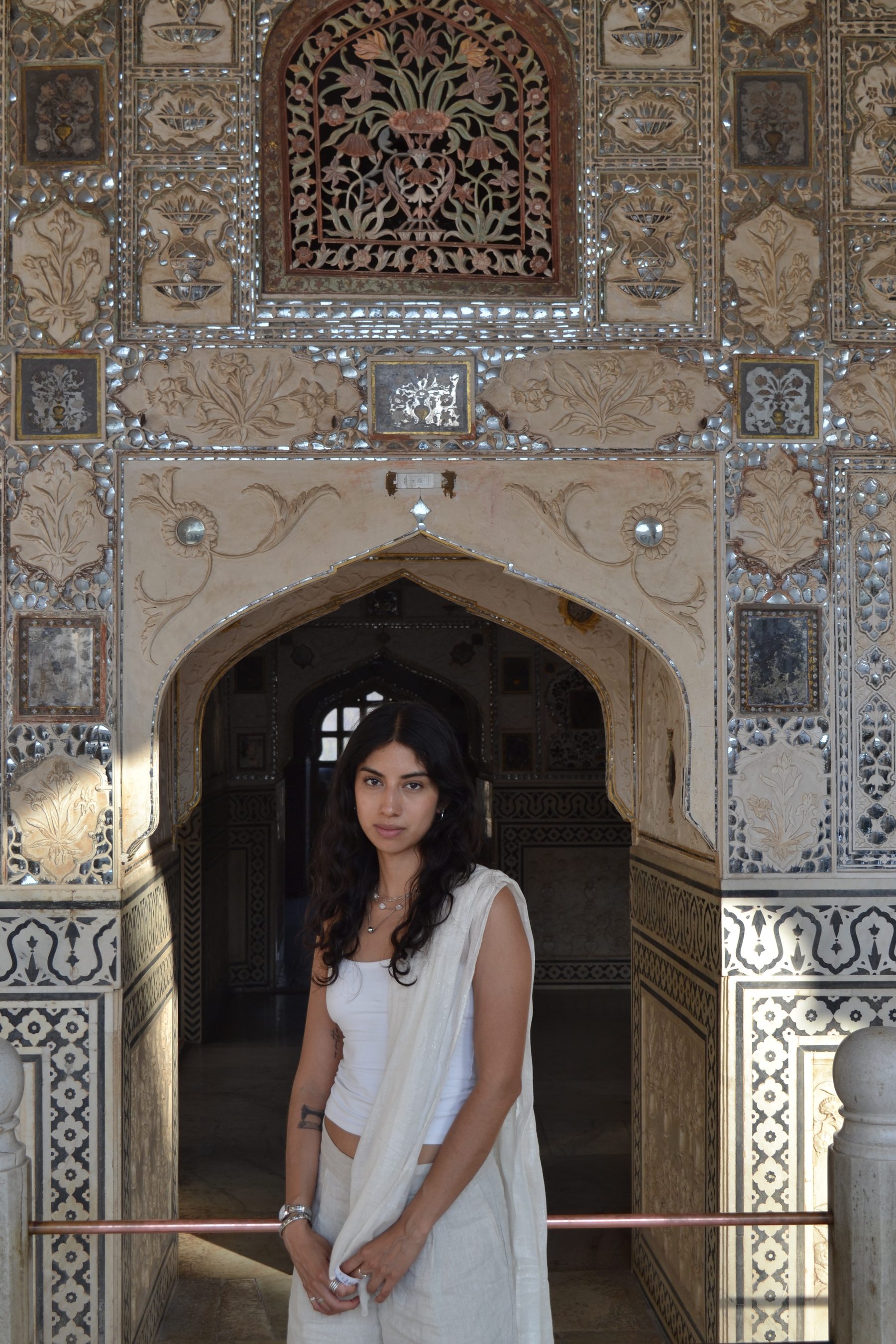
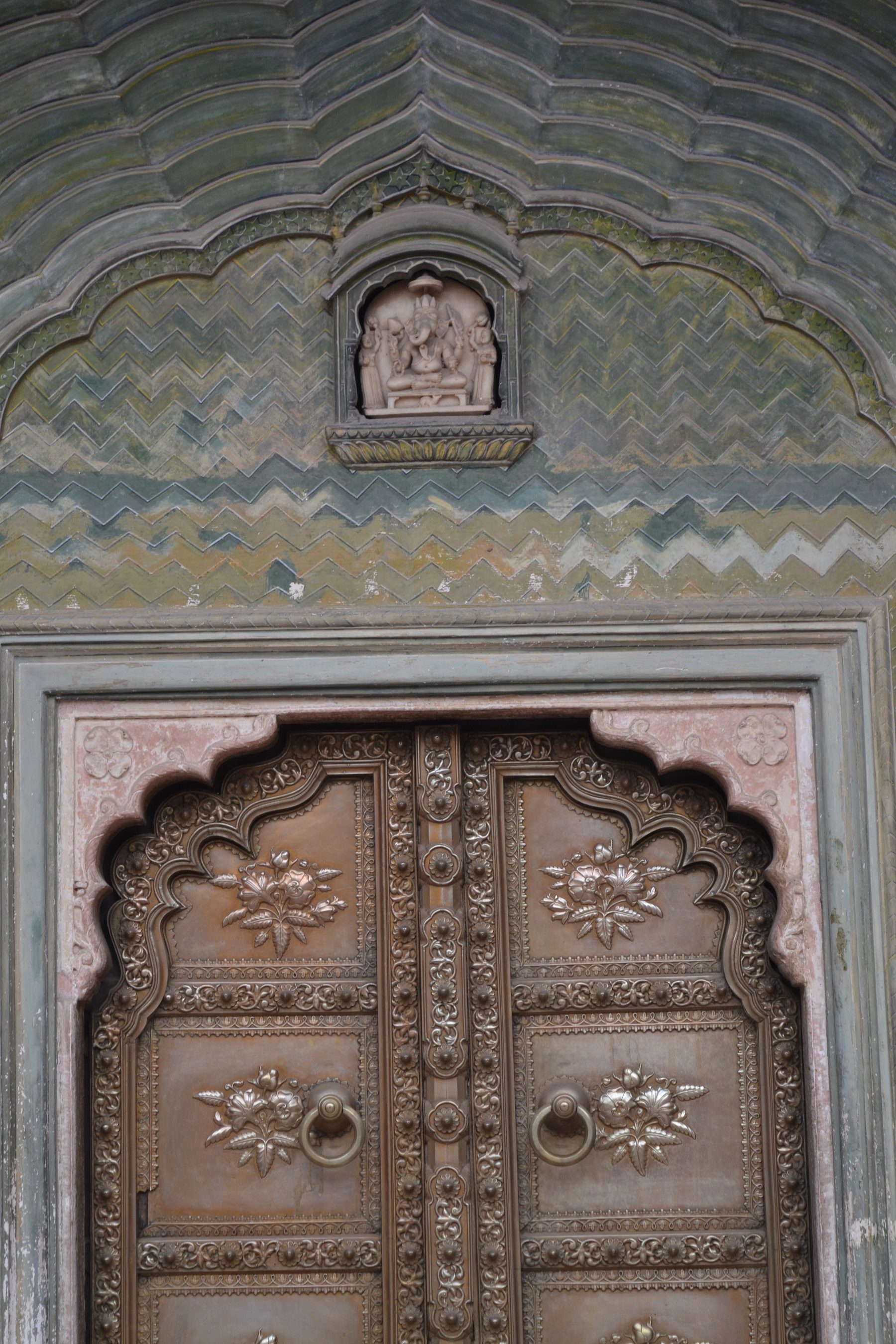
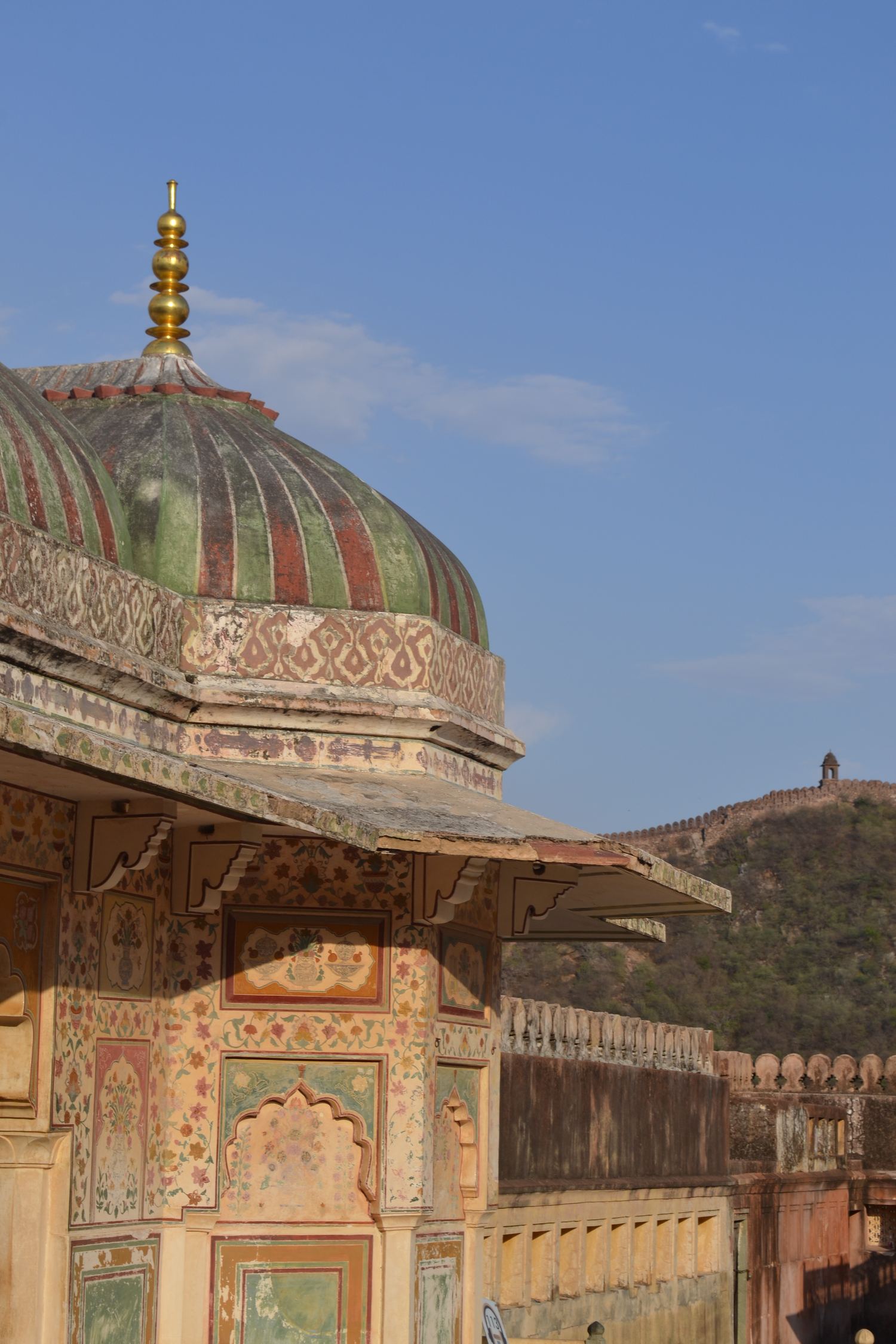
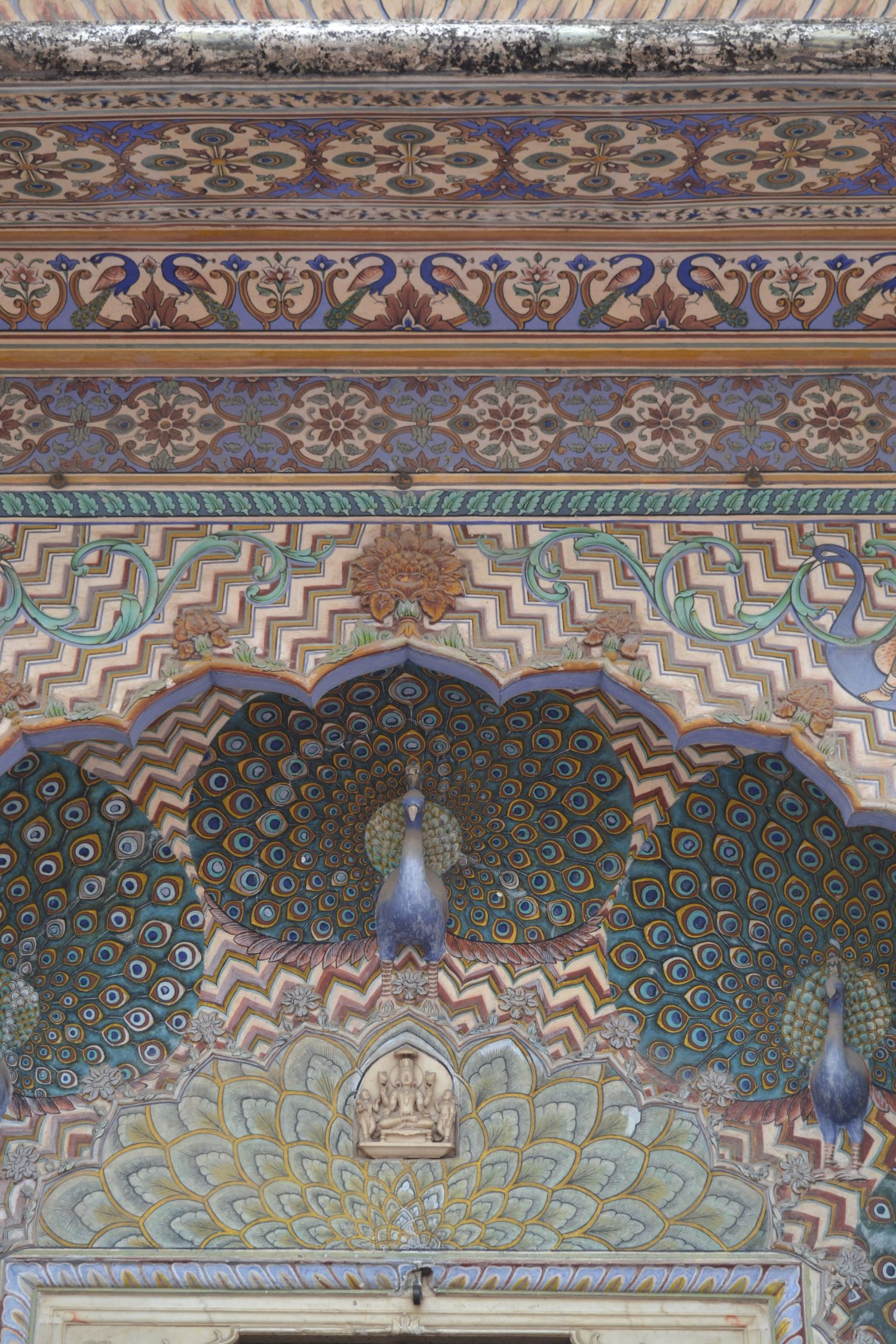
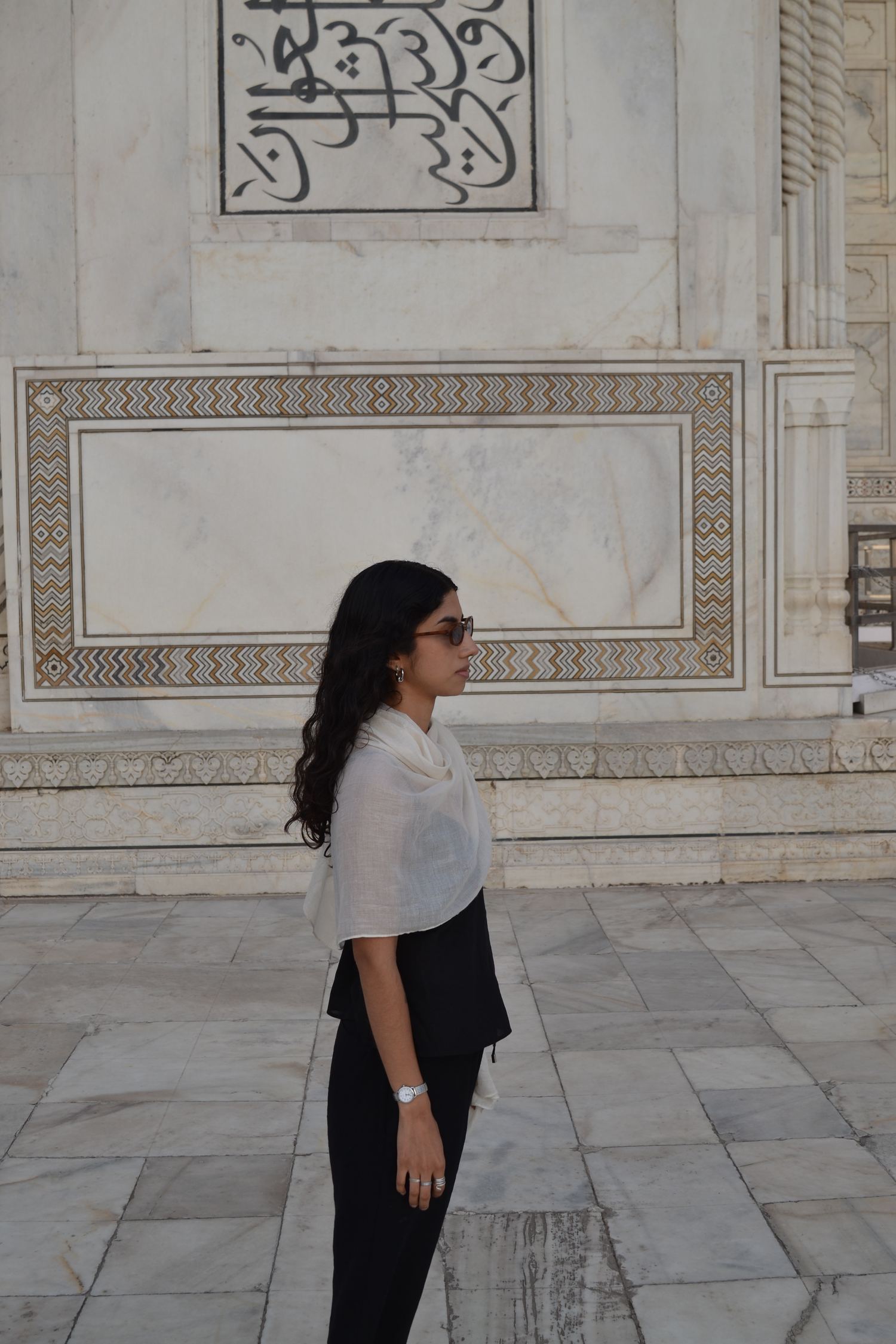
Heat, colour, density. The first country in which one is not, strictly speaking, oneself — the senses redistributed across cumin, dust, marigold, the horn of a tuk-tuk, a child laughing at one's beard. Five days that pretended to be five weeks.

28.6° NLatitude (Delhi)
77.2° ELongitude
38°C · HazeMid-afternoon, April
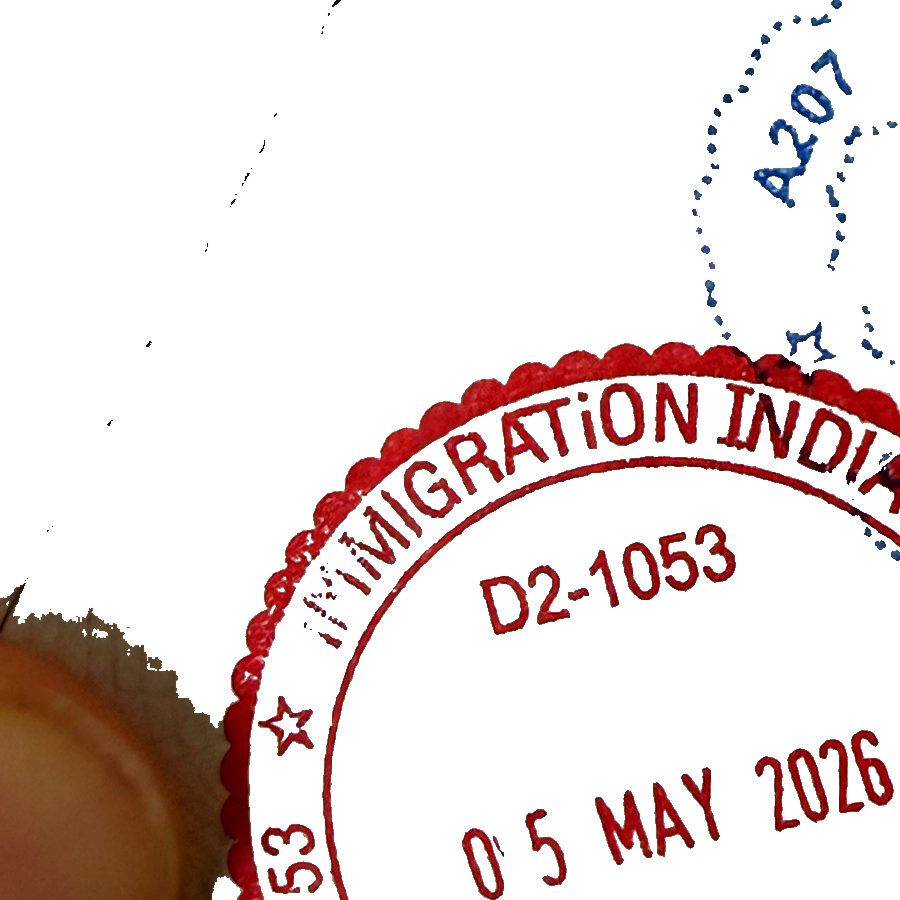
India entry stamp
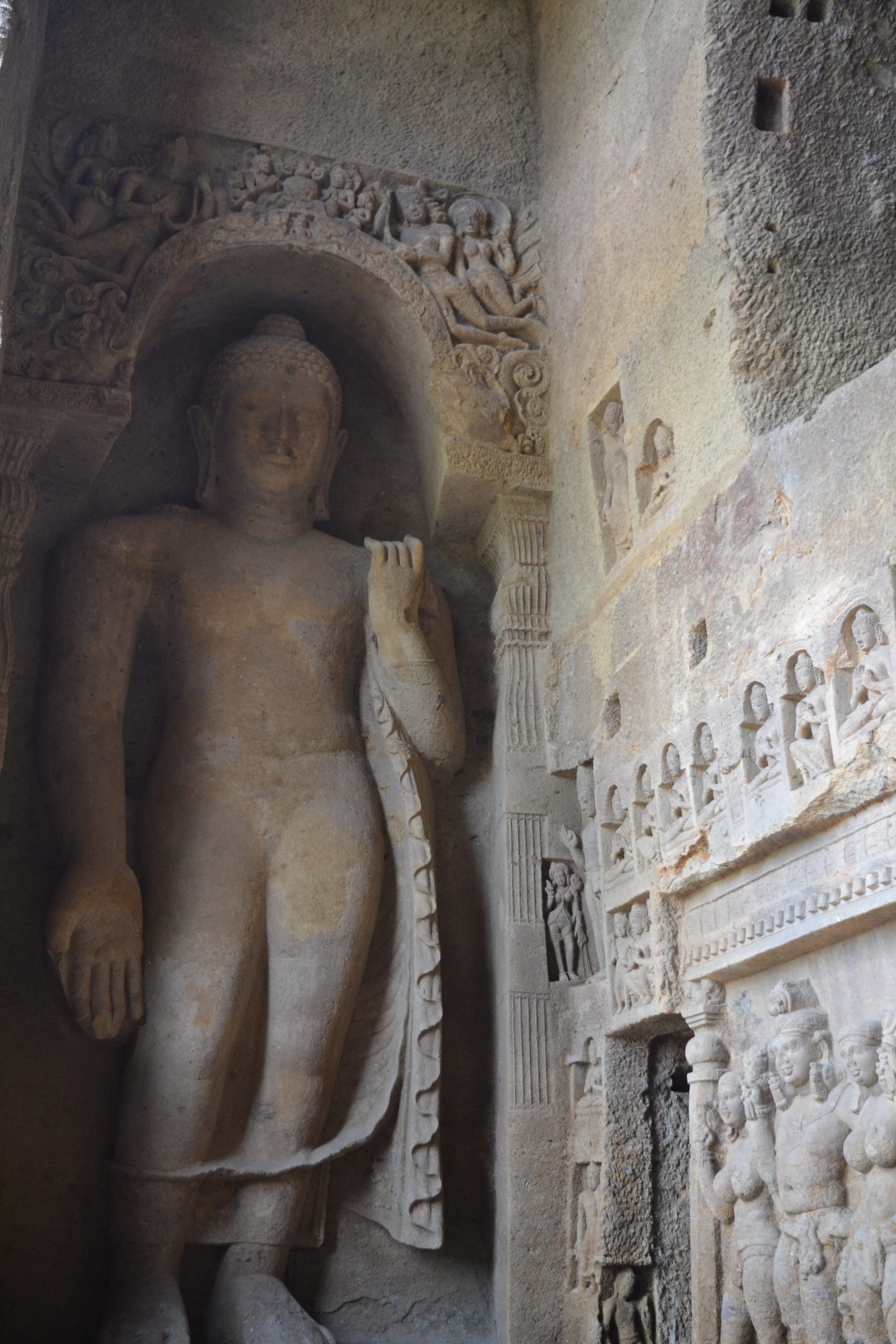
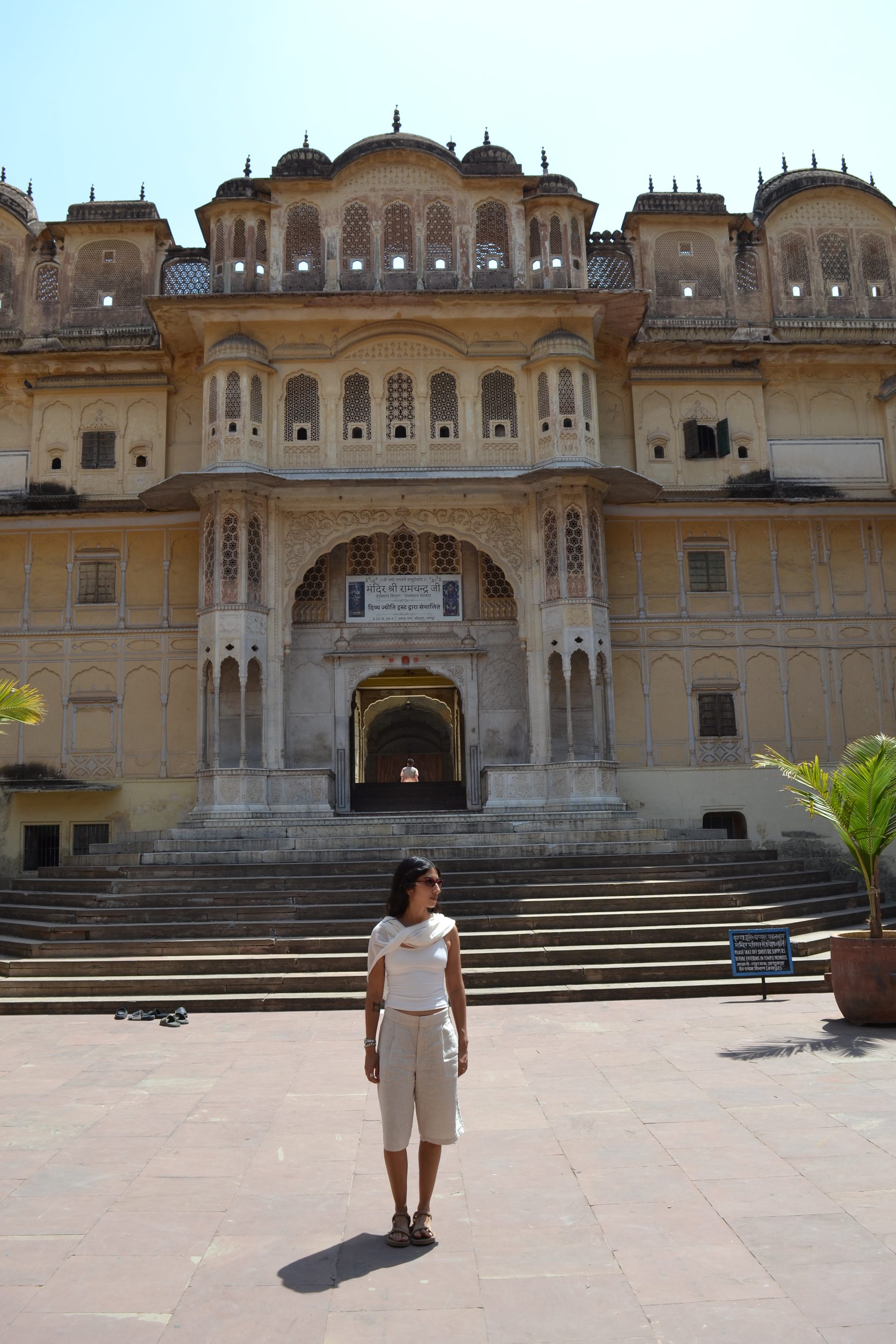
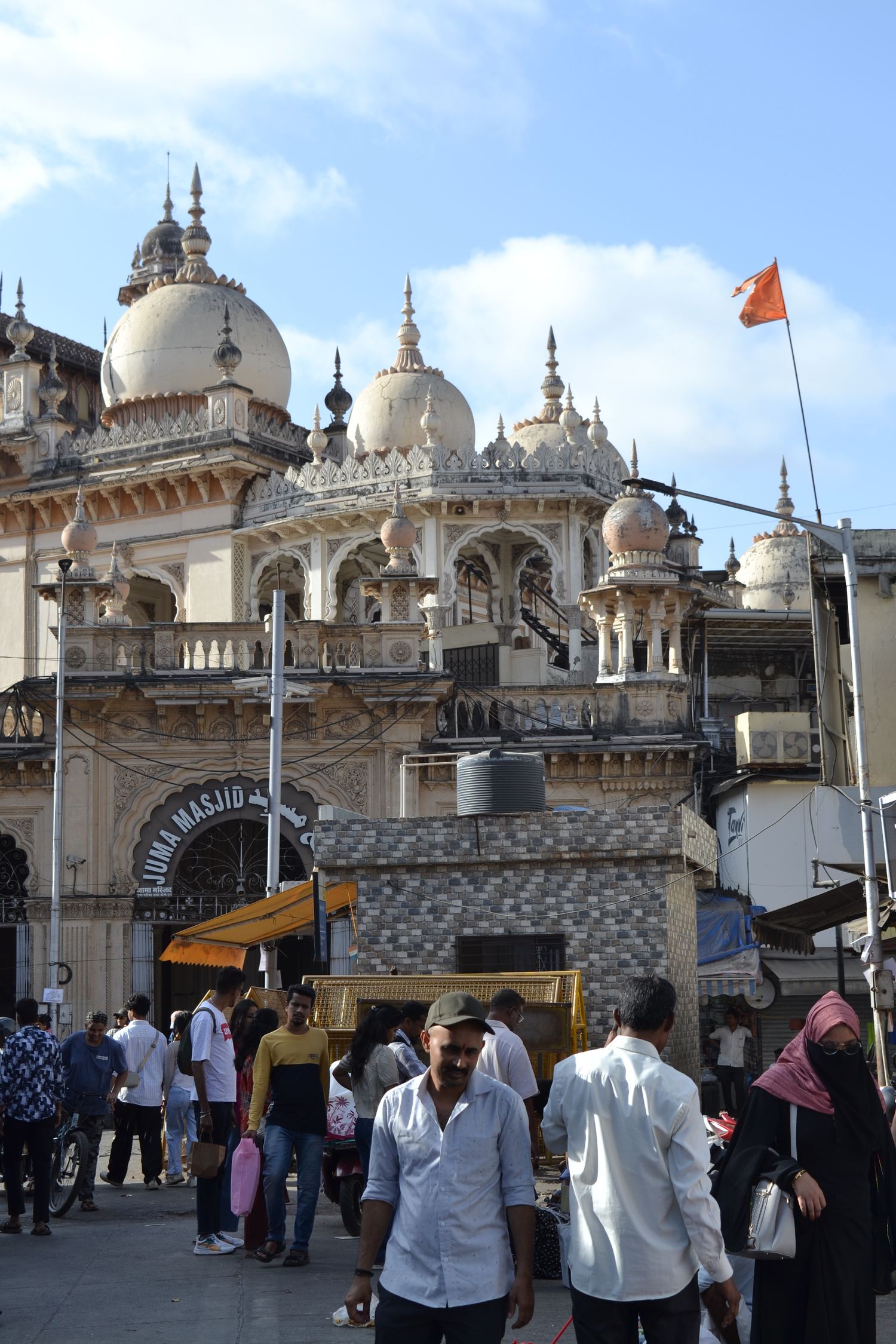
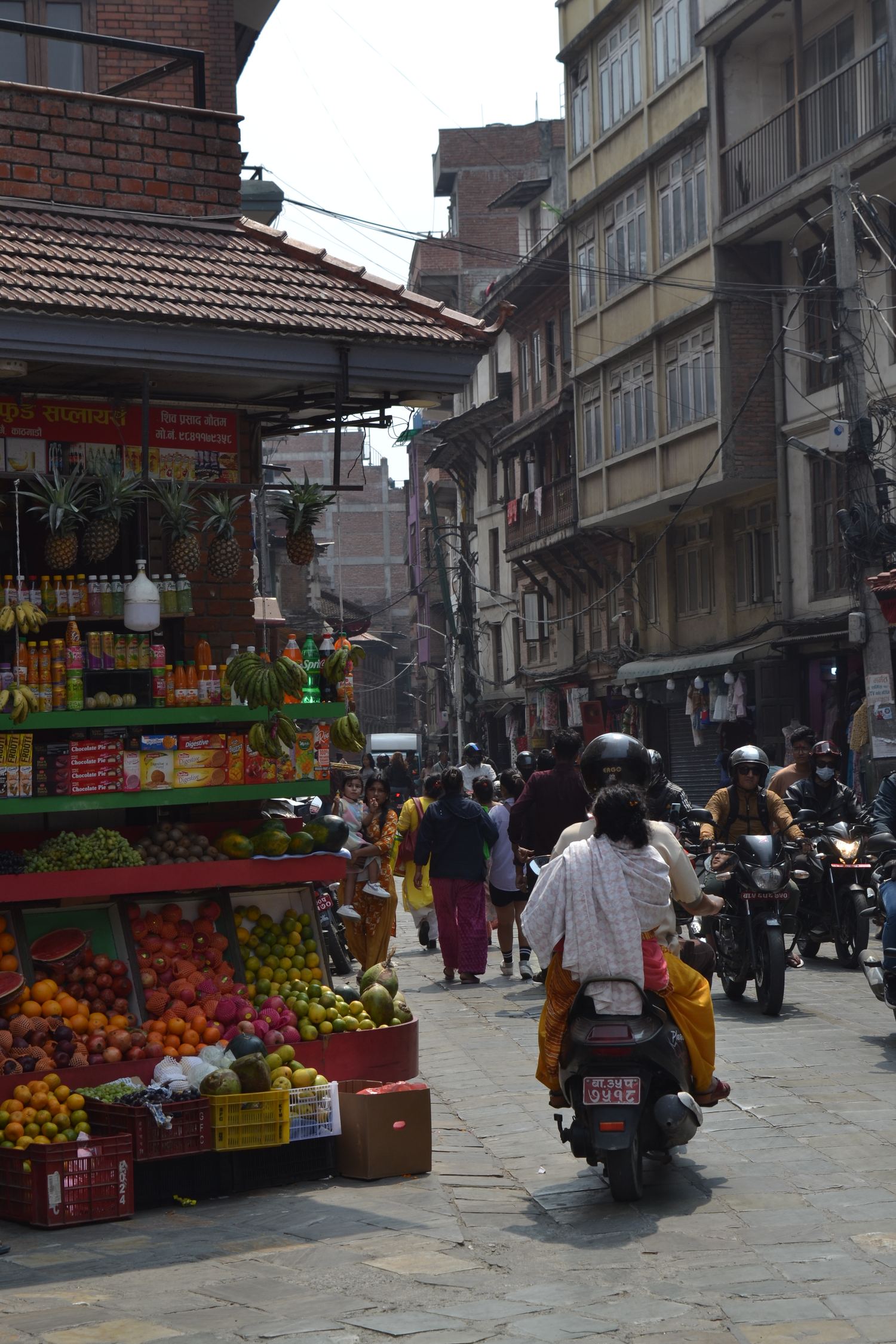
India street life.
Old city, after the morning call04.04 · 13:59

First afternoon, Delhi

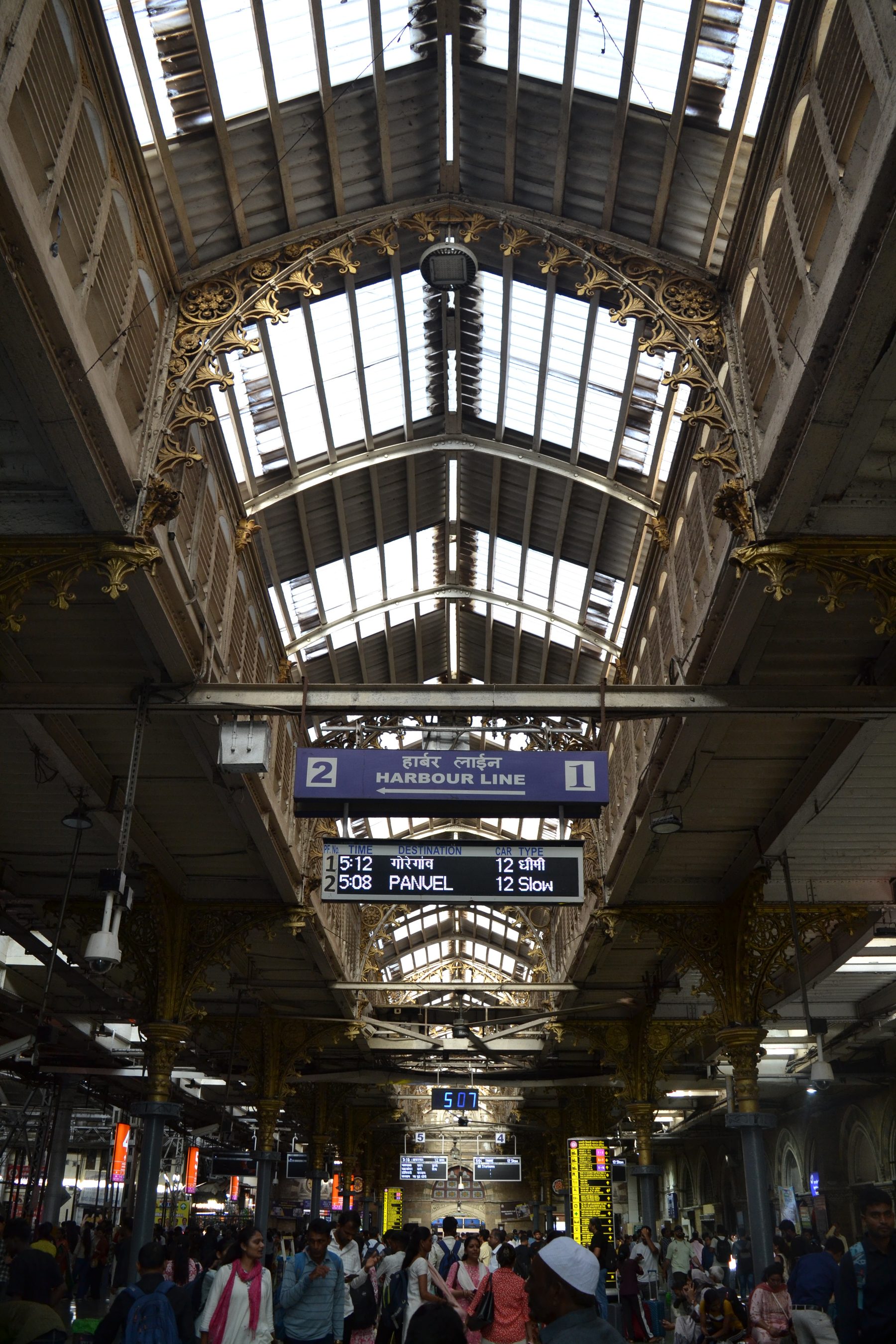
The plane landed in the small hours and the city came at me in waves: the dry sweetness of the air, the cardamom on the driver's breath, the cinema poster fifteen storeys high of a man with magnificent moustaches throwing a punch into the night. By eleven the following morning I had been honked at by more vehicles than in the whole of my previous decade.

# the india leg, in the order it happened
leg: "IN — 6 days"
arrived: "DEL 03:55 IST"
route: [
  "Delhi",
  "Jaipur",
  "Agra",
  "Varanasi",
  "Gorakhpur → border",
]
trains: 3  # sleepers, all 2A
tuk-tuks: ~22
chai: 
Field Notes — India
Chai (stand)
₹10 — £0.10
Auto, 4 km
₹80 (after second offer)
Sleeper, DEL → JP
₹740
Thali, Old Delhi
₹150
Phrase of the week
“acha, acha”
Average humidity
61%
Daily steps
18,420
Rooftop, evening27.09 · 16:11
Crossing, dawn04.04 · 14:00
“In India one stops trying to be early. One arrives at the speed at which one was meant to arrive — usually at a tea stall, in surprisingly good company.” — Field notebook, Jaipur
Ghats, late afternoon06.04 · 17:42

On the train to Varanasi I learned the geometry of Indian sleep: heads at one end, feet at the other, a folded shawl across the eyes against the bare striplight, the steady rocking of the bogie like a metronome. We pulled into the station at five in the morning. A man on the platform was selling small clay cups of chai for ₹10 each. I drank three before I noticed I was crying.

Further fragments — India
— III —

Nepal

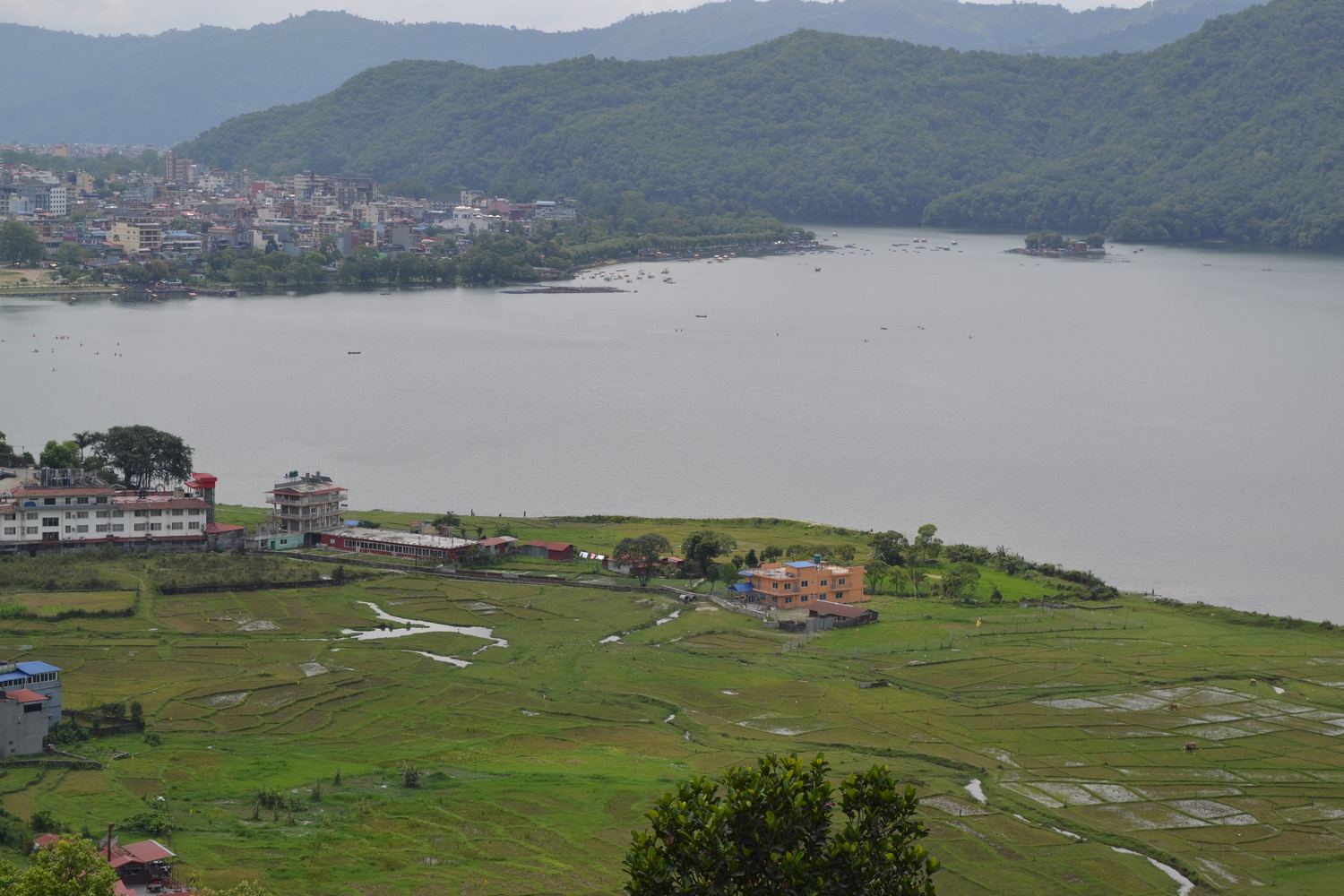
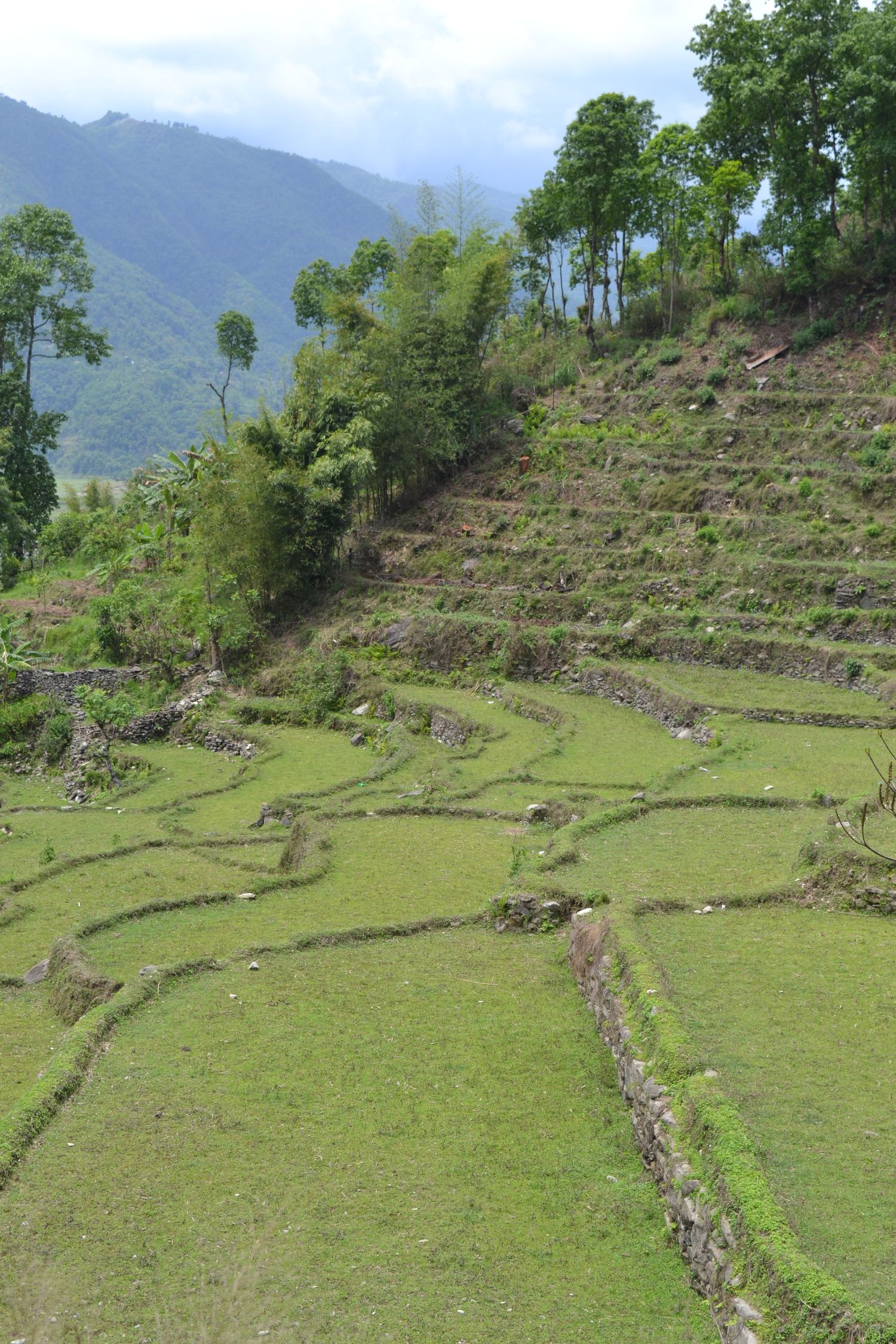
Kathmandu · Pokhara · the lower foothills

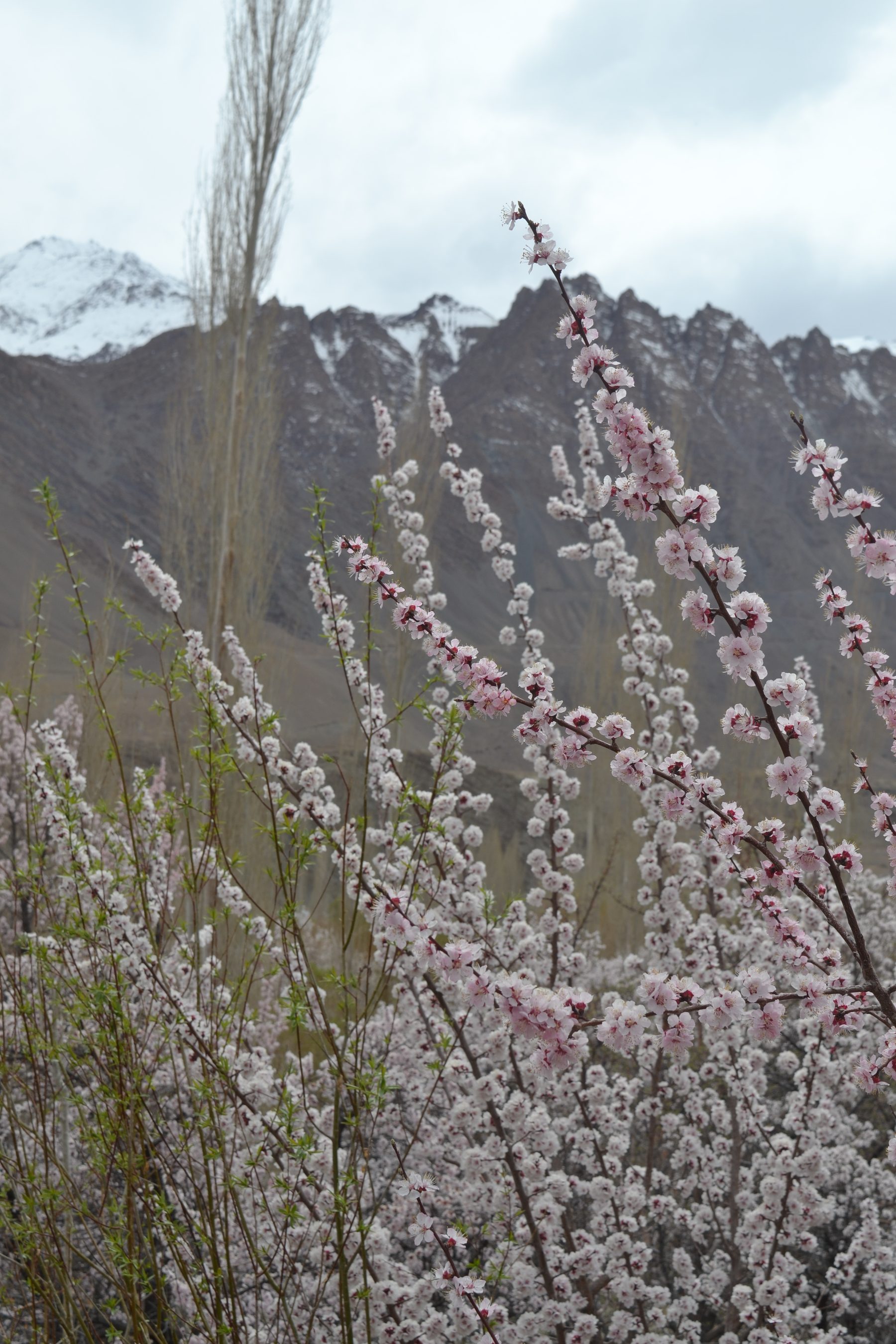
A country that begins where the plain ends. Prayer wheels, prayer flags, the peculiar quiet of a small Himalayan city at six in the morning, when the mountains come out from behind the haze like a sentence that was always meant to be there.

27.7° NLatitude
85.3° ELongitude
1,400 mAltitude · Kathmandu
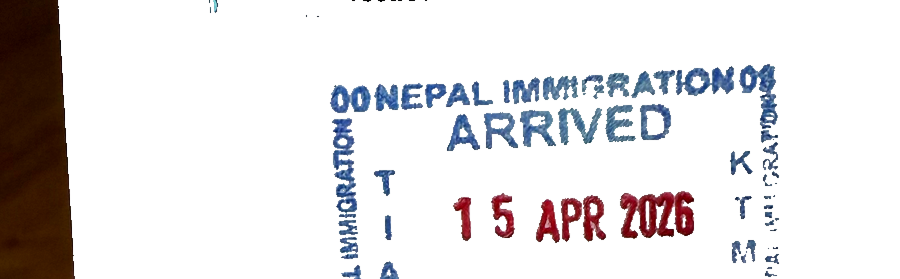
Nepal arrival stamp

The crossing at Sunauli

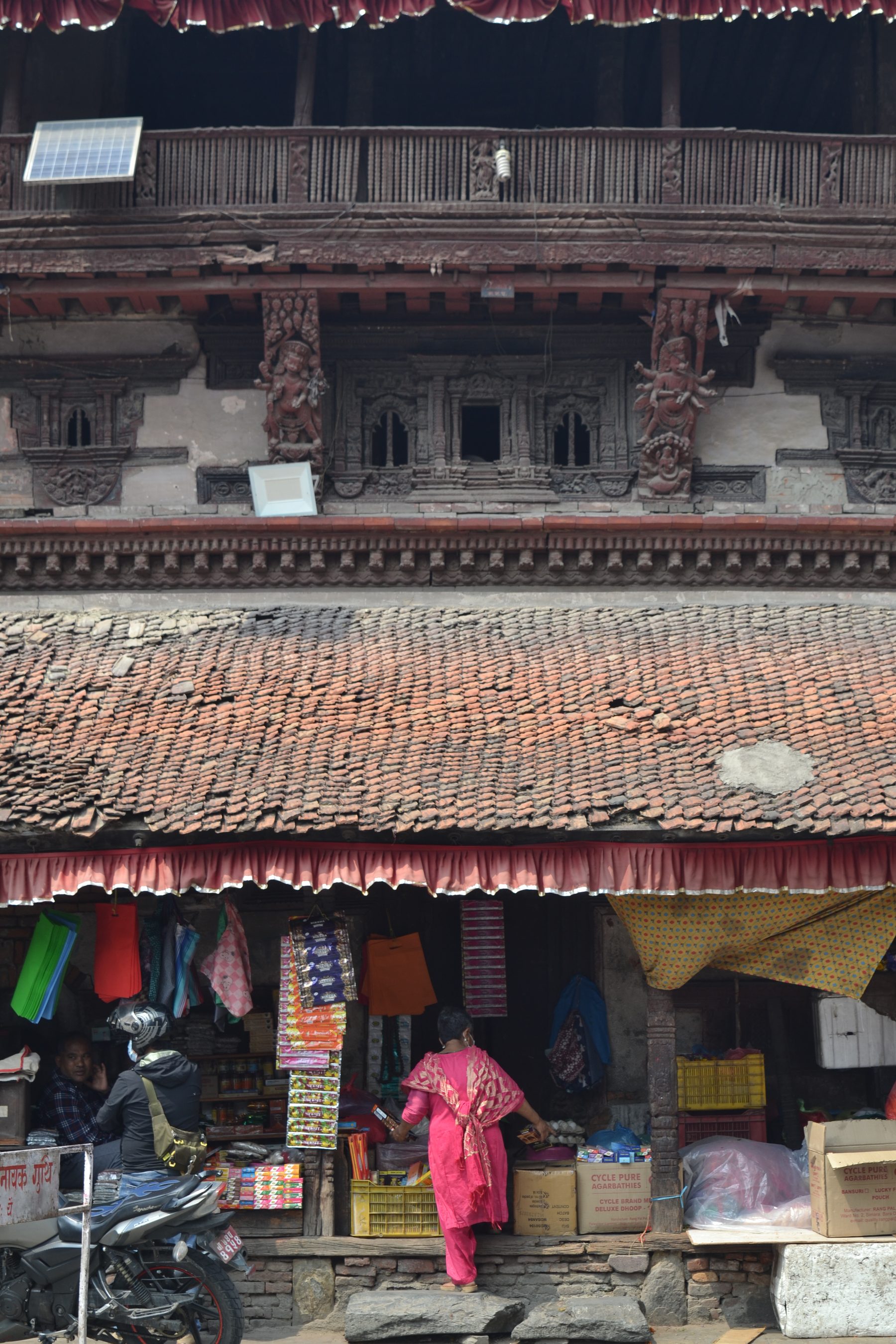
The Indian border post is a low concrete shed painted municipal cream. The Nepali border post is fifty metres further on and painted maroon. In between there is, by some kind of administrative grace, no country at all. A man sells you a samosa here and a different man sells you a samosa there, and the two samosas, which you eat in quick succession, taste almost but not quite the same.

On the Nepali side the road is suddenly narrower and the lorries suddenly older and the air has begun to thin in a way you can feel in the eardrums before you can feel in the lungs. I bought a SIM card from a teenager in a Manchester United shirt. He wished me “good journey, sir, very good journey.”

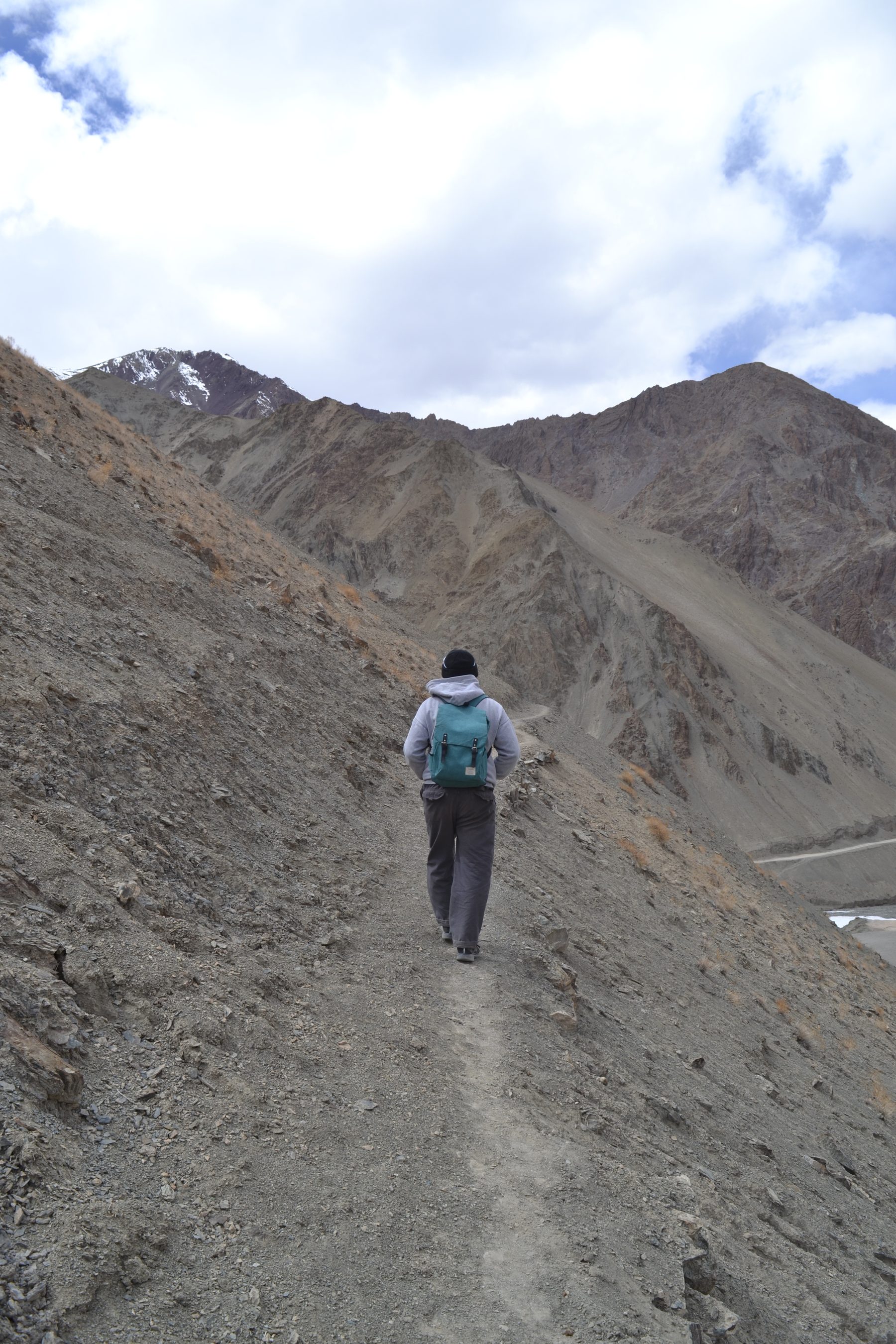
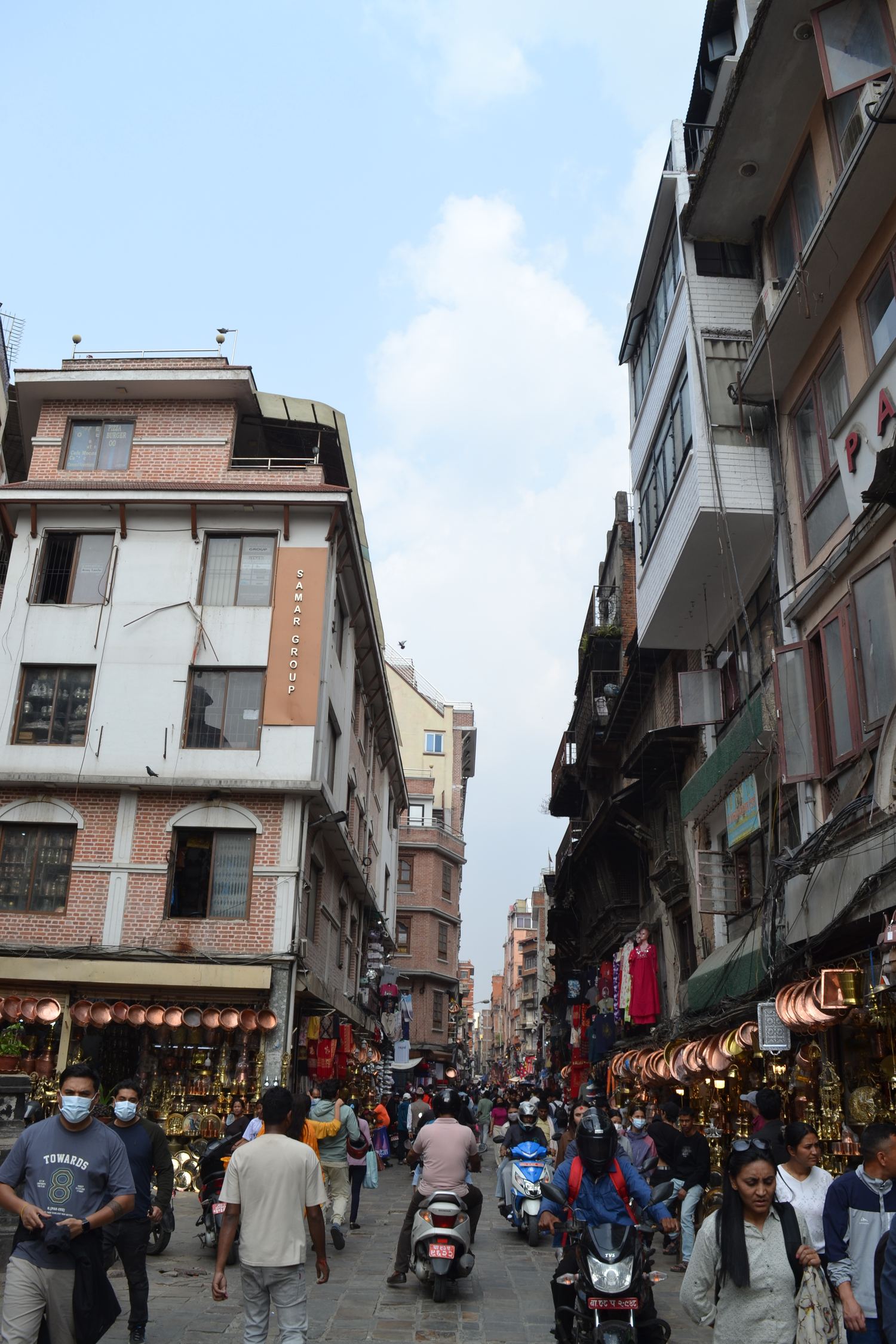
First Nepali road17.04 · 13:04
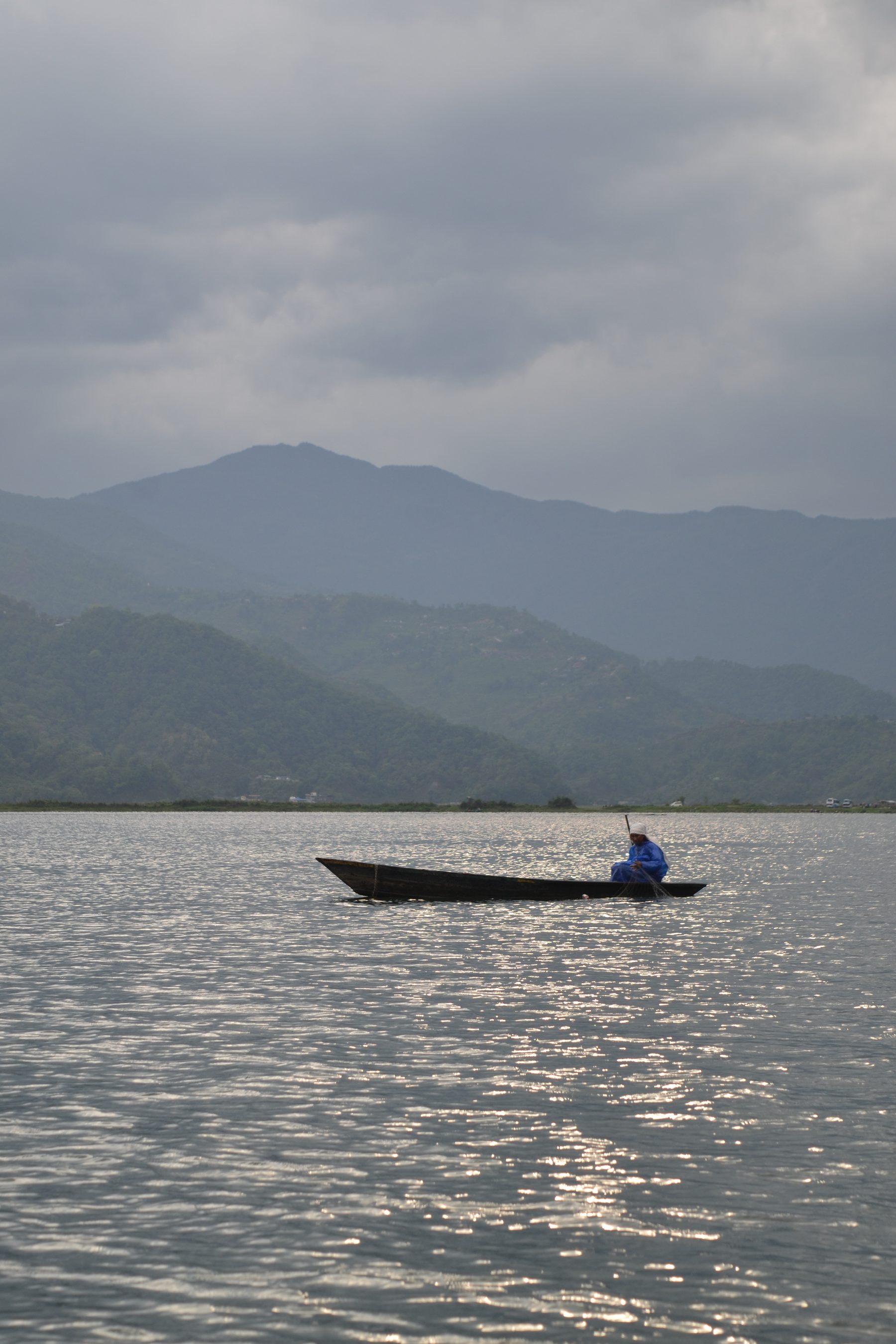
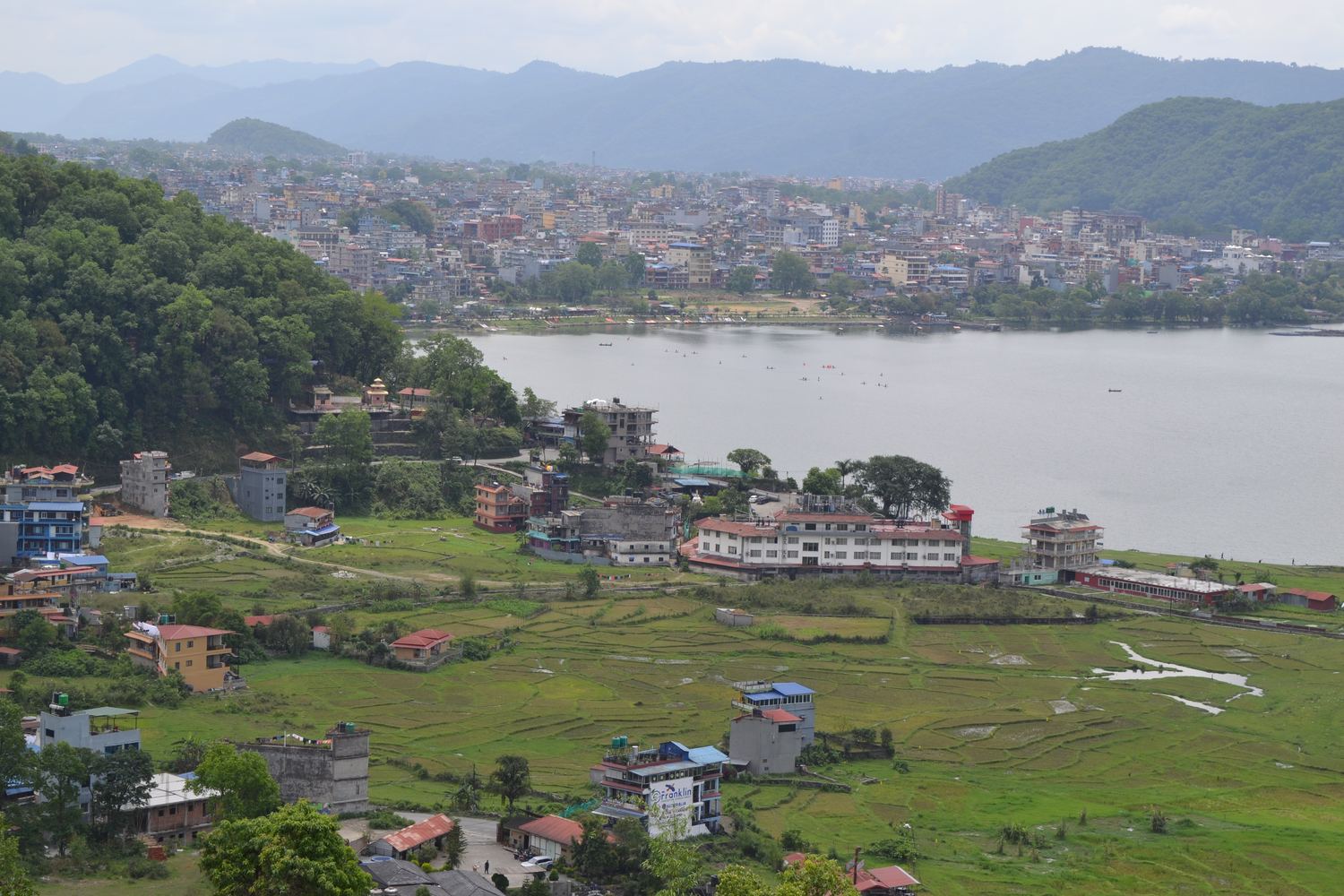
Lakeside, Pokhara20.04 · 09:12
// kathmandu → pokhara, public bus
depart  06:30  KTM  "New Bus Park"
arrive  14:45  PKR  "Prithvi Chowk"
distance: 203 km
cost:     NPR 750  // ≈ £4.40
curves:  unreliable count
snacks:  ["momo", "sel roti", "orange"]
view: "Annapurna clear from km 184"
“The mountains were not a backdrop. The mountains were the room. We were guests in it; one was expected to lower one's voice.” — Pokhara, 21.04
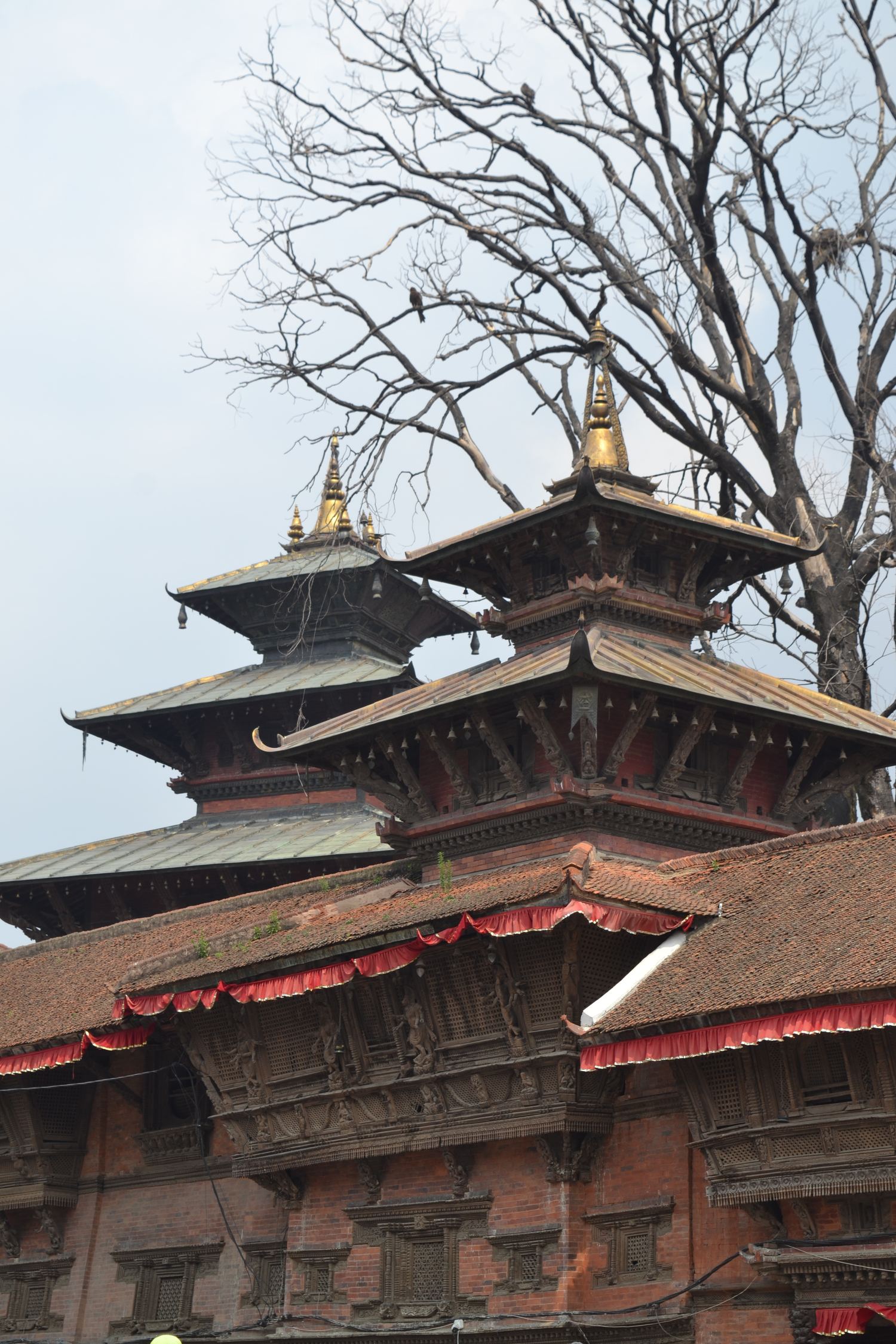
Boudhanath, circumambulating29.04 · 11:16
Field Notes — Nepal
Milk tea
NPR 40 (≈ £0.24)
Plate of momo (8)
NPR 180
SIM, 10 GB / 30 d
NPR 600
Hostel, lake view
NPR 1,400 / night
Greeting
नमस्ते — namaste
Sunrise (Pokhara)
05:14
Mountain visible
Annapurna II — 7,937 m

In Boudha, walking kora with the late afternoon crowd around the great white stupa, I lost the day's small irritations one by one — the slow wifi, the cancelled bus, the fly on the rim of the breakfast cup — as though the stupa were a centrifuge and I a thin liquid moving outwards into clarity.

Further fragments — Nepal
— IV —

Uzbekistan

Tashkent · Samarkand · Bukhara

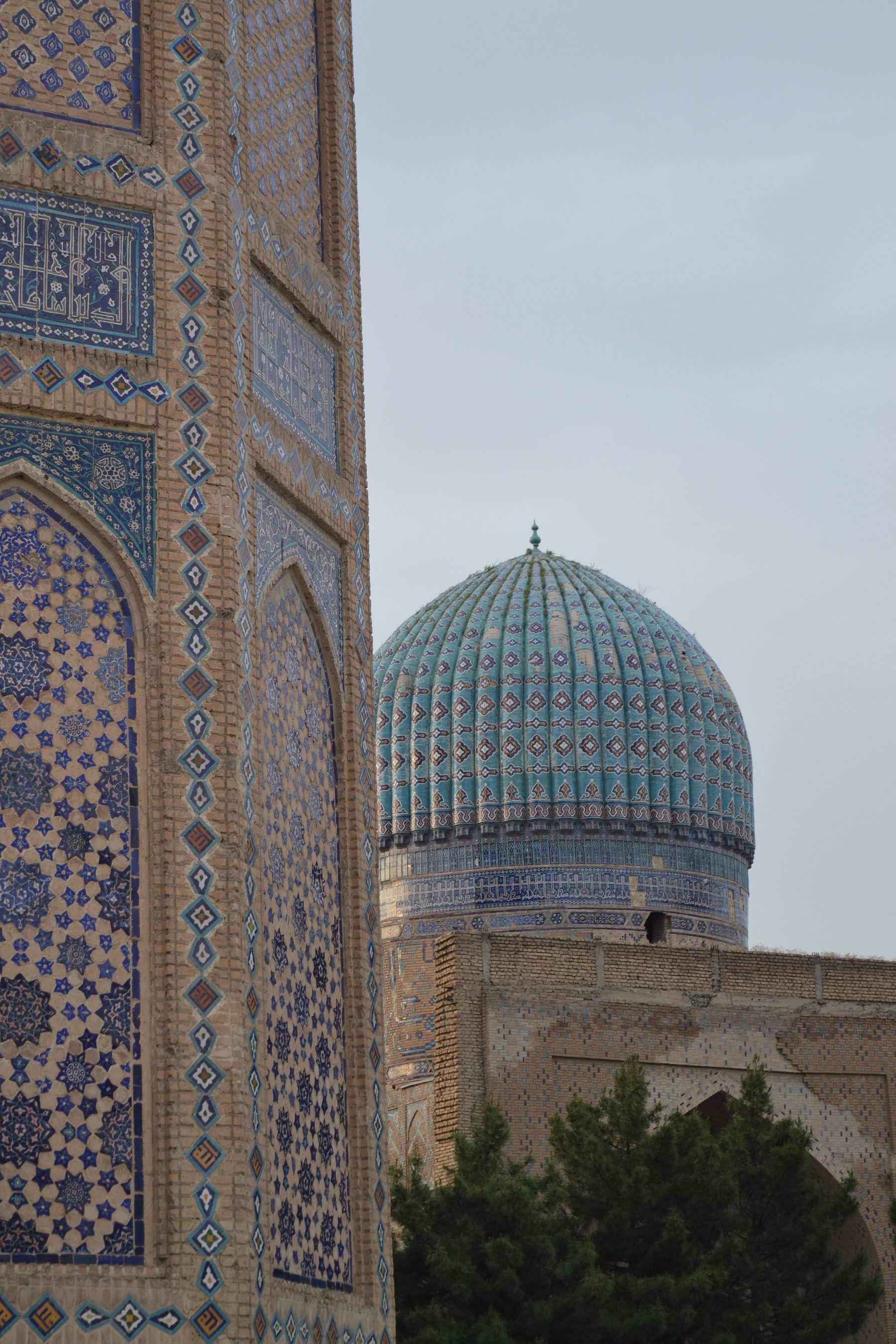
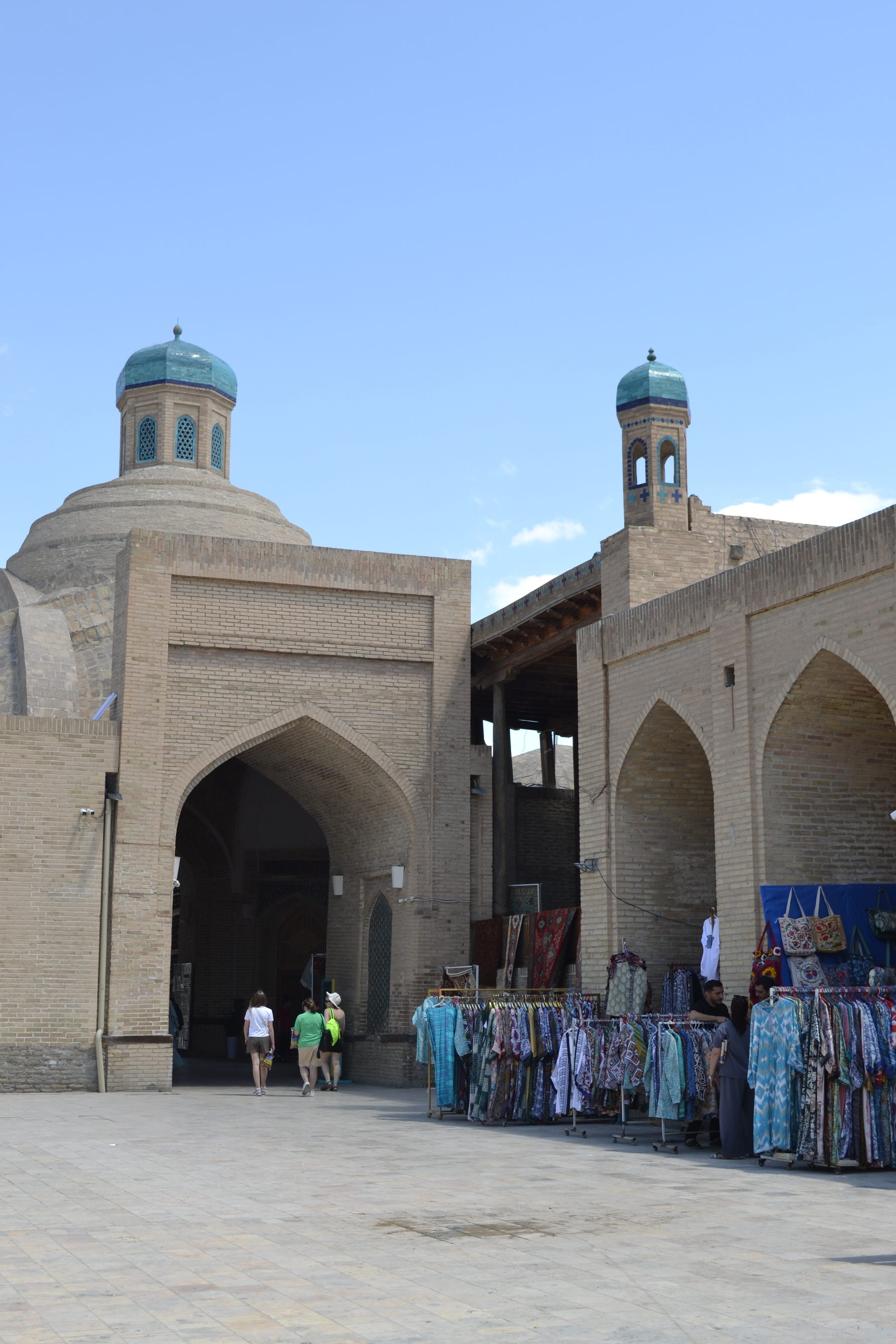
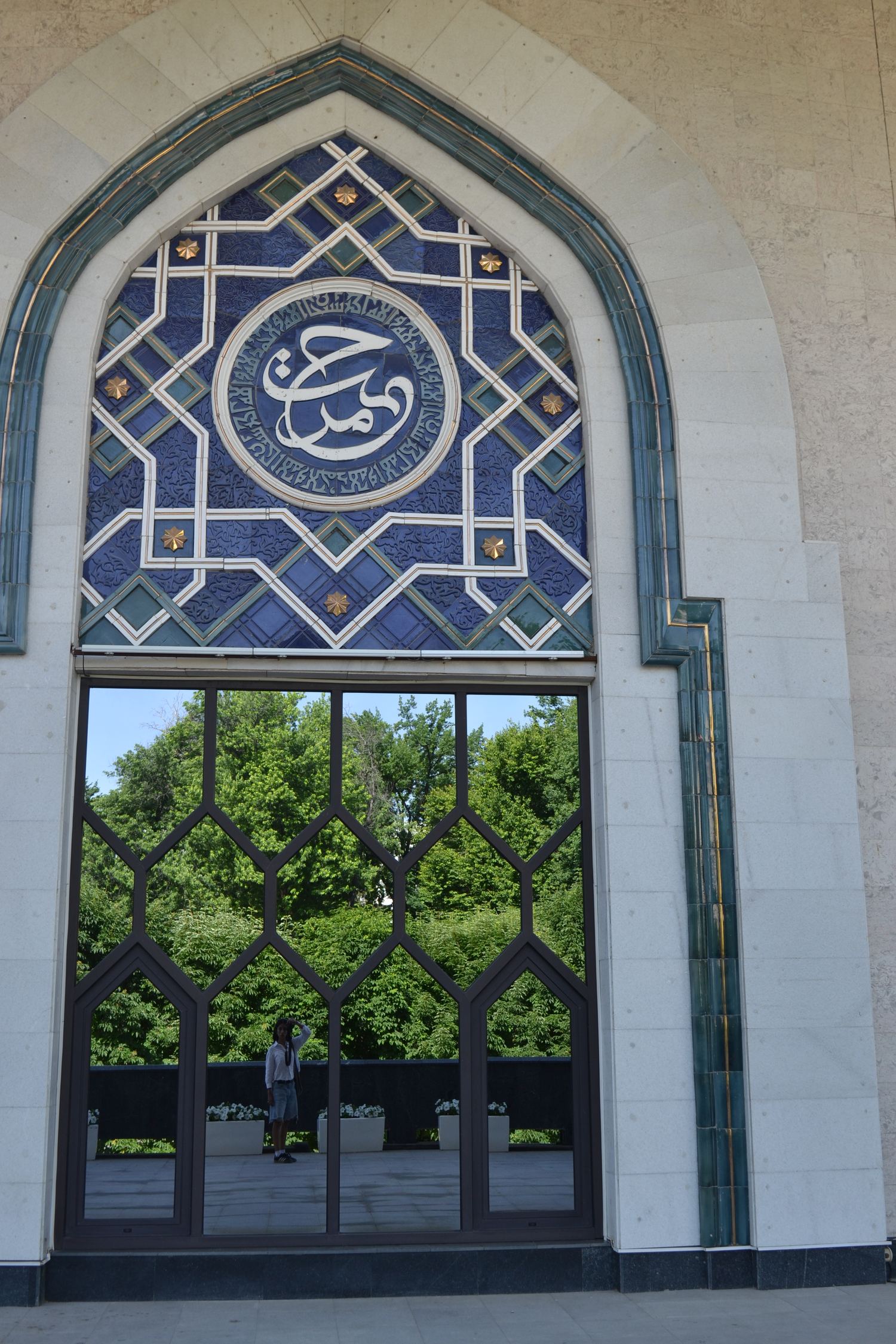
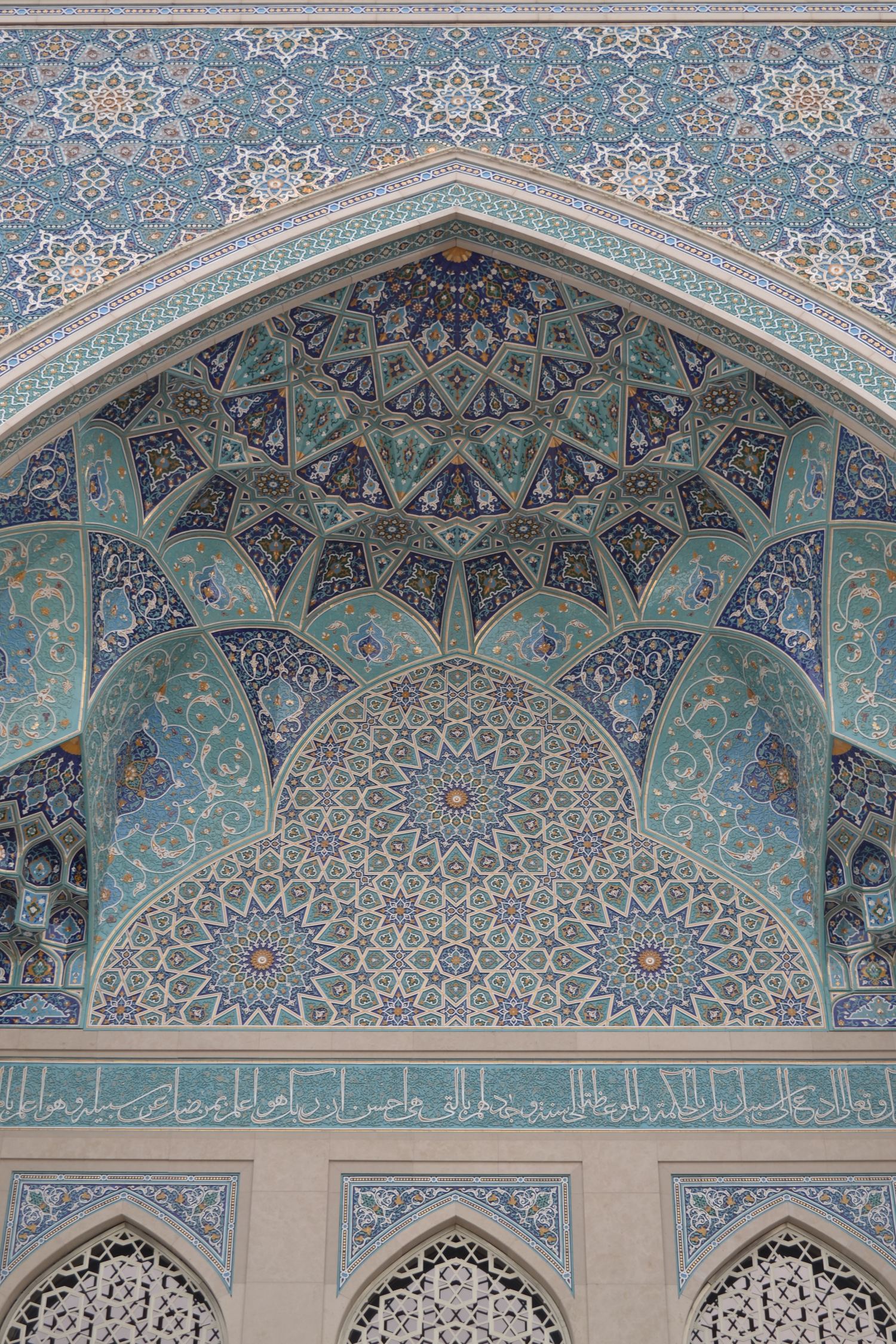
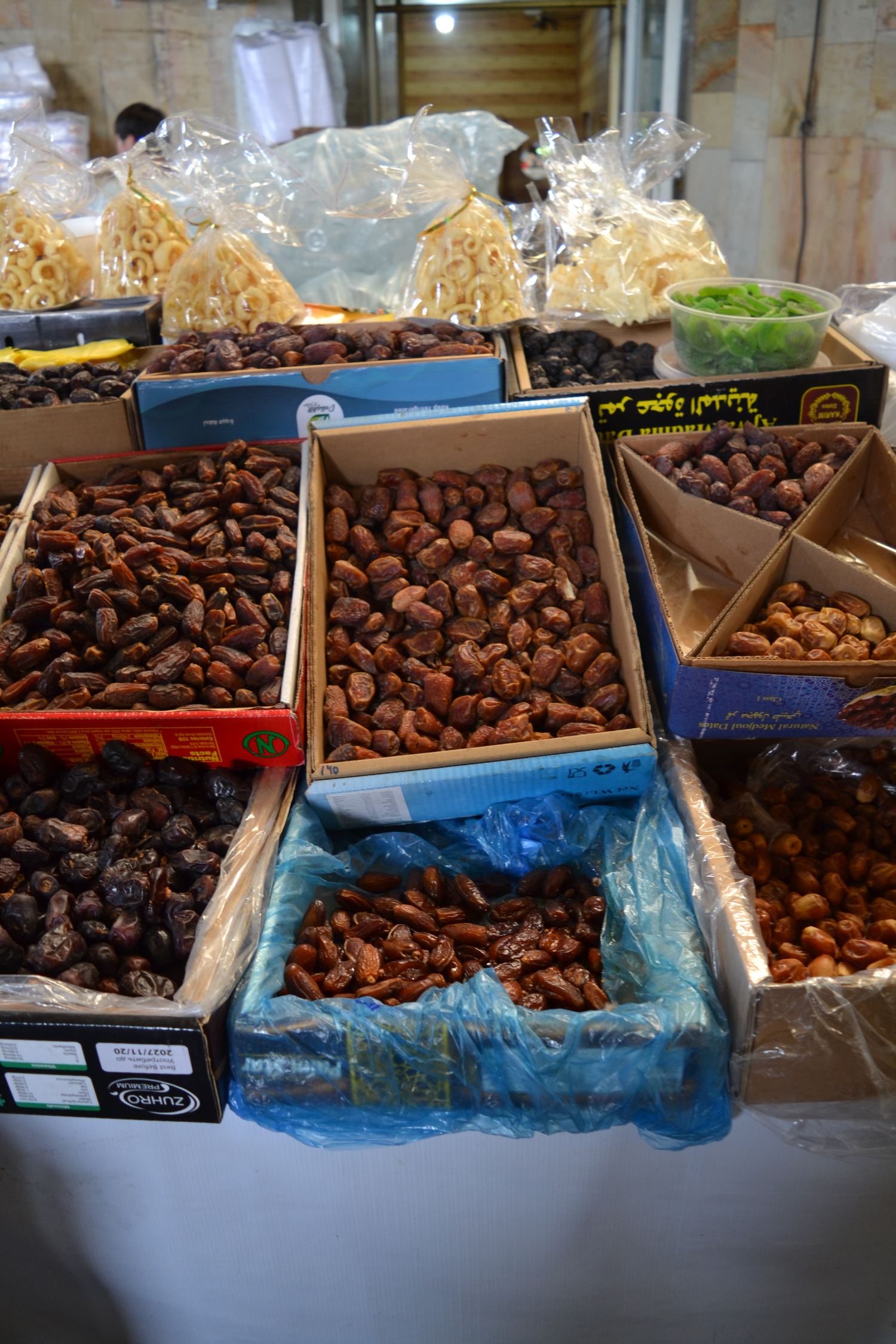
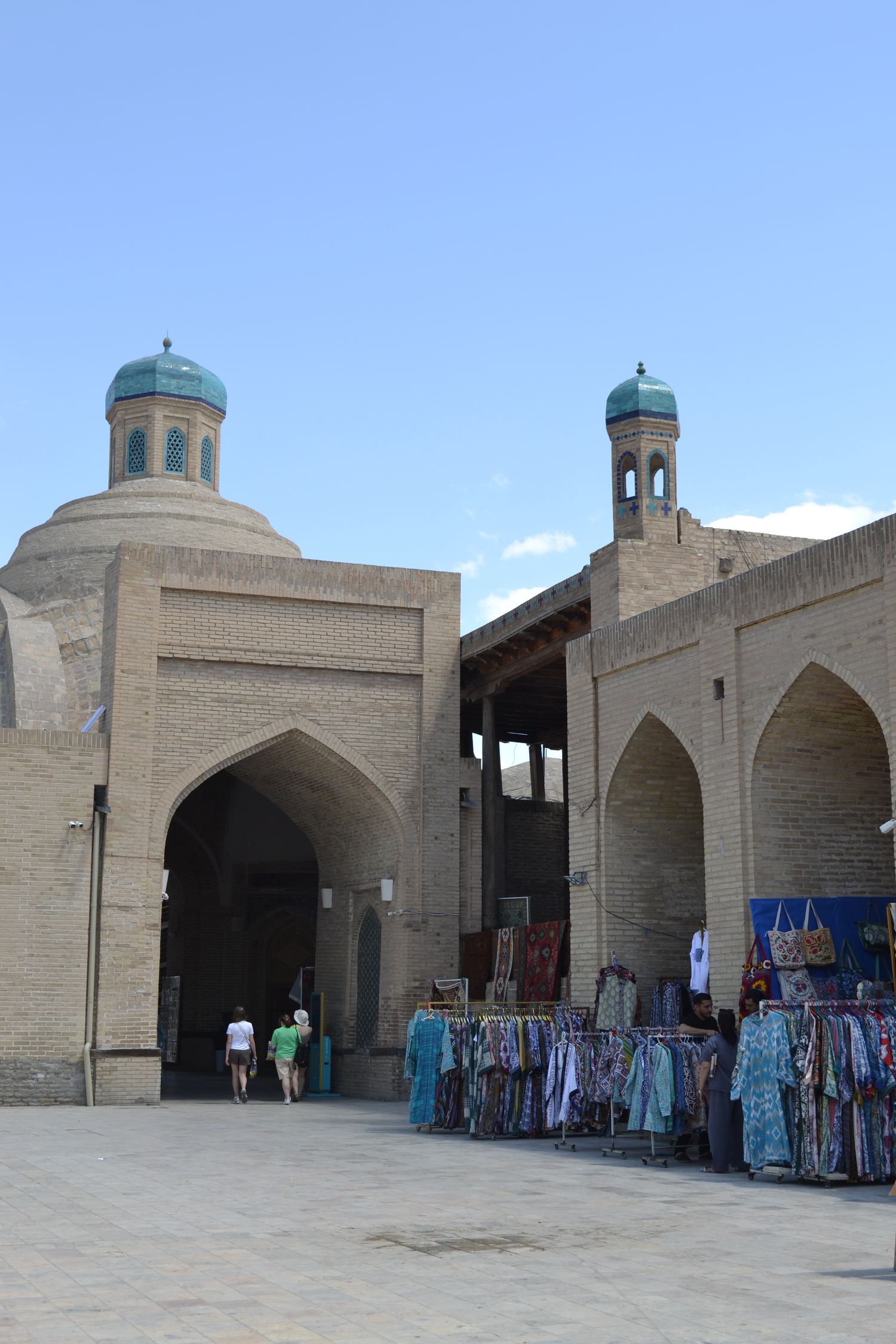
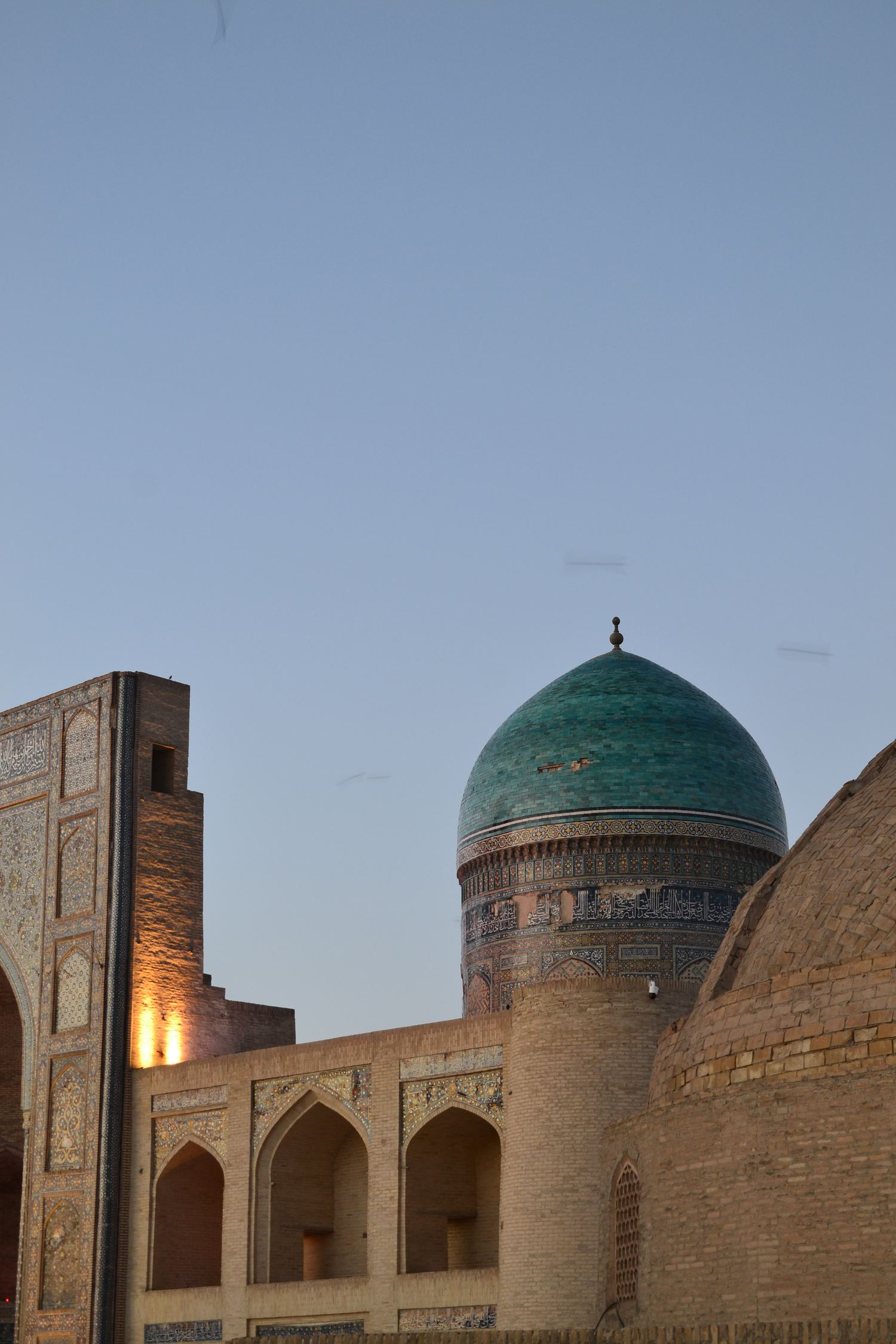
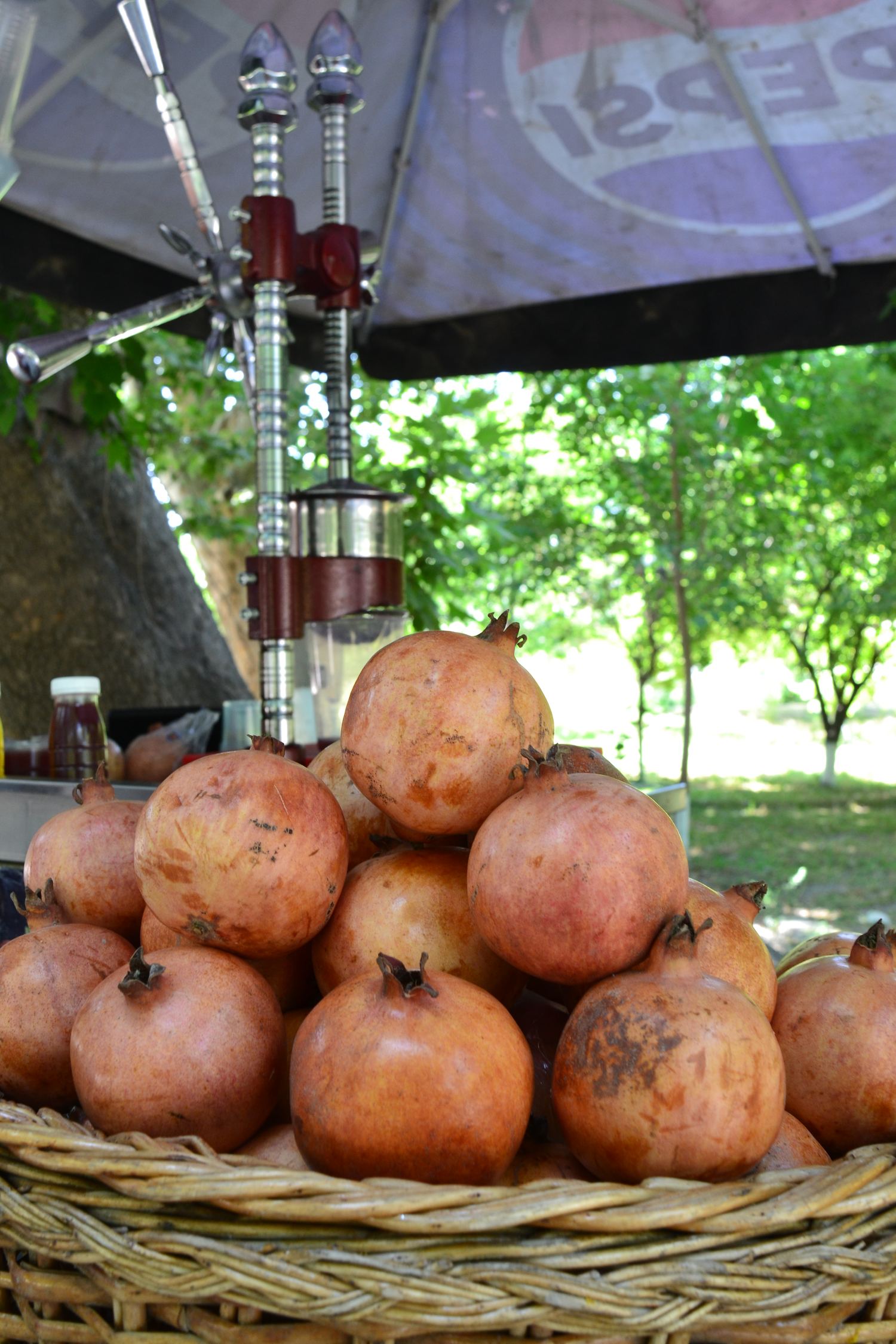
The country one had been carrying as a feeling, finally underfoot. Blue domes against a blue sky. Mulberry trees, melon-vendors, the steam of plov rising from black cast-iron kazans. A week on the old Silk Road, every day a little slower than the last.
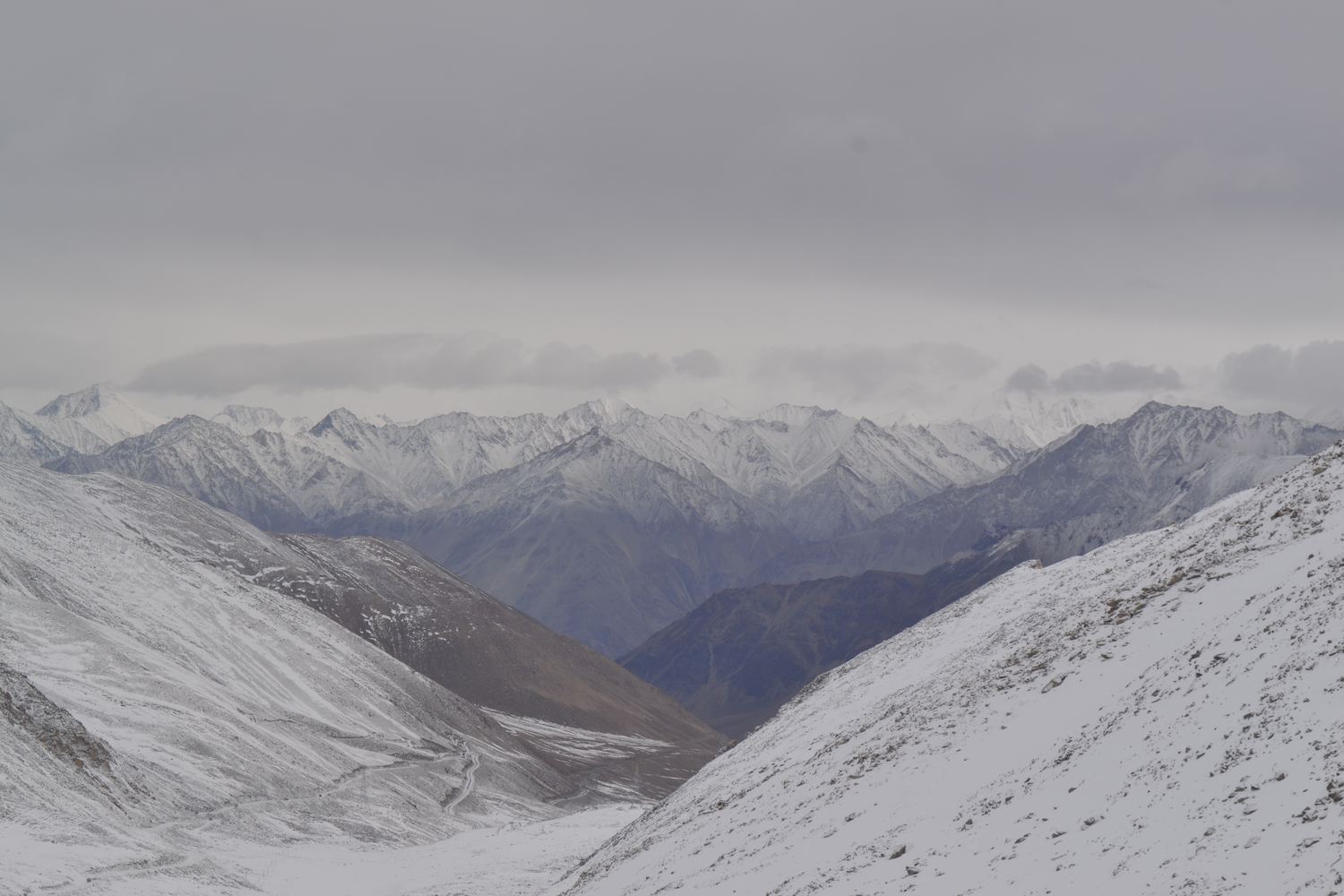
41.3° NLatitude (Tashkent)
69.2° ELongitude
32°C · DryAfternoon, early May
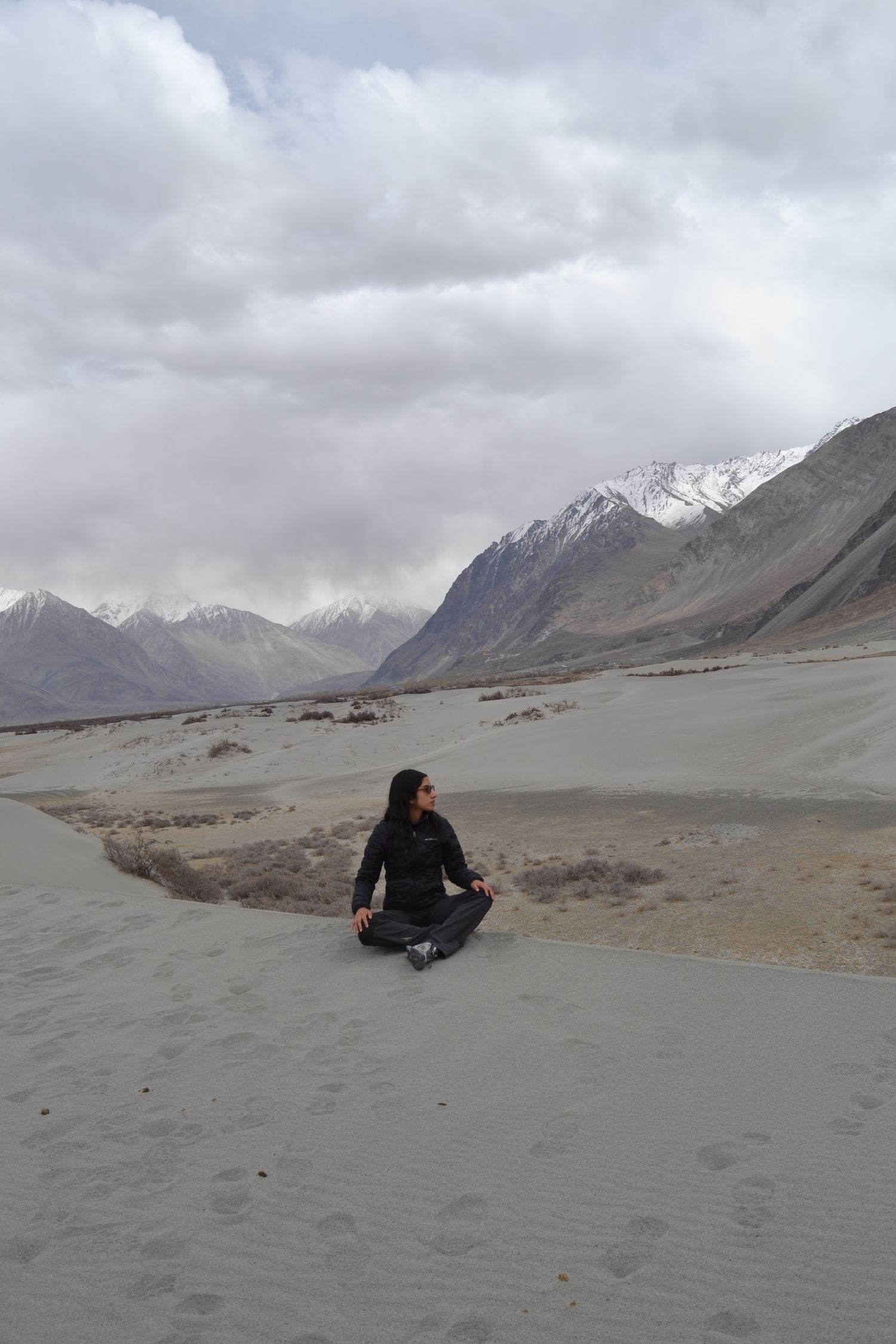
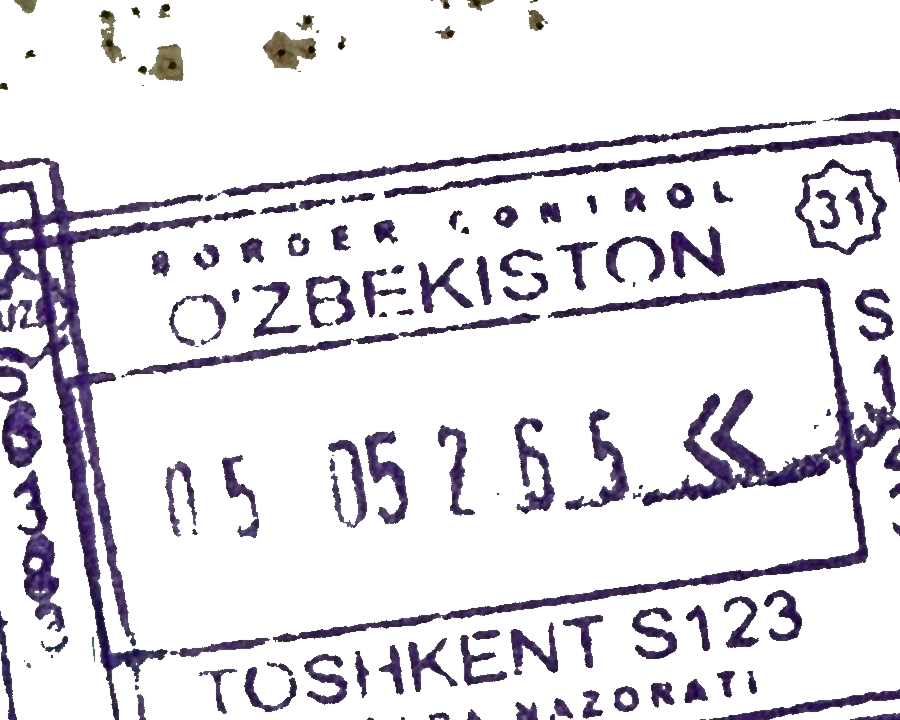
Uzbekistan border control stamp
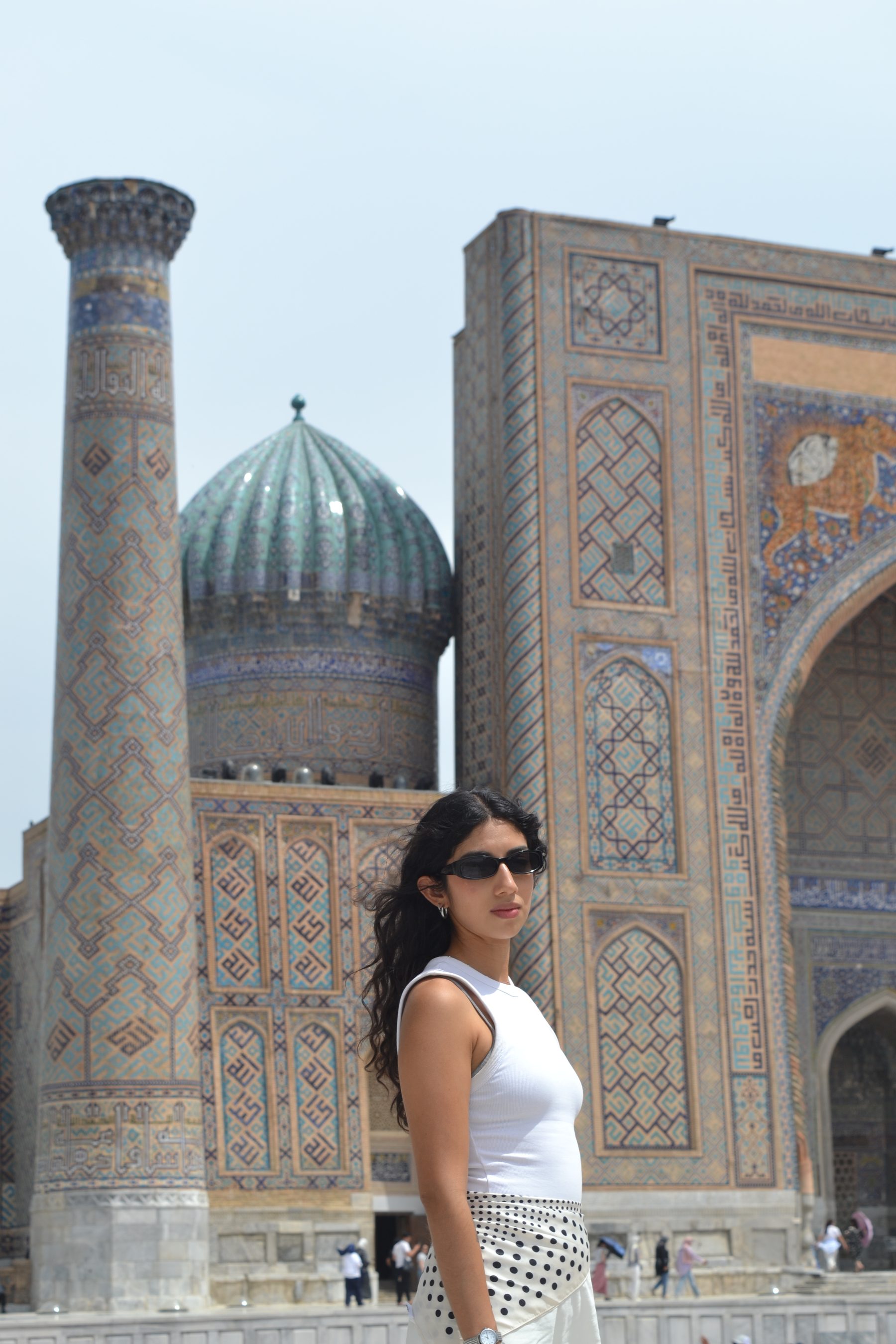
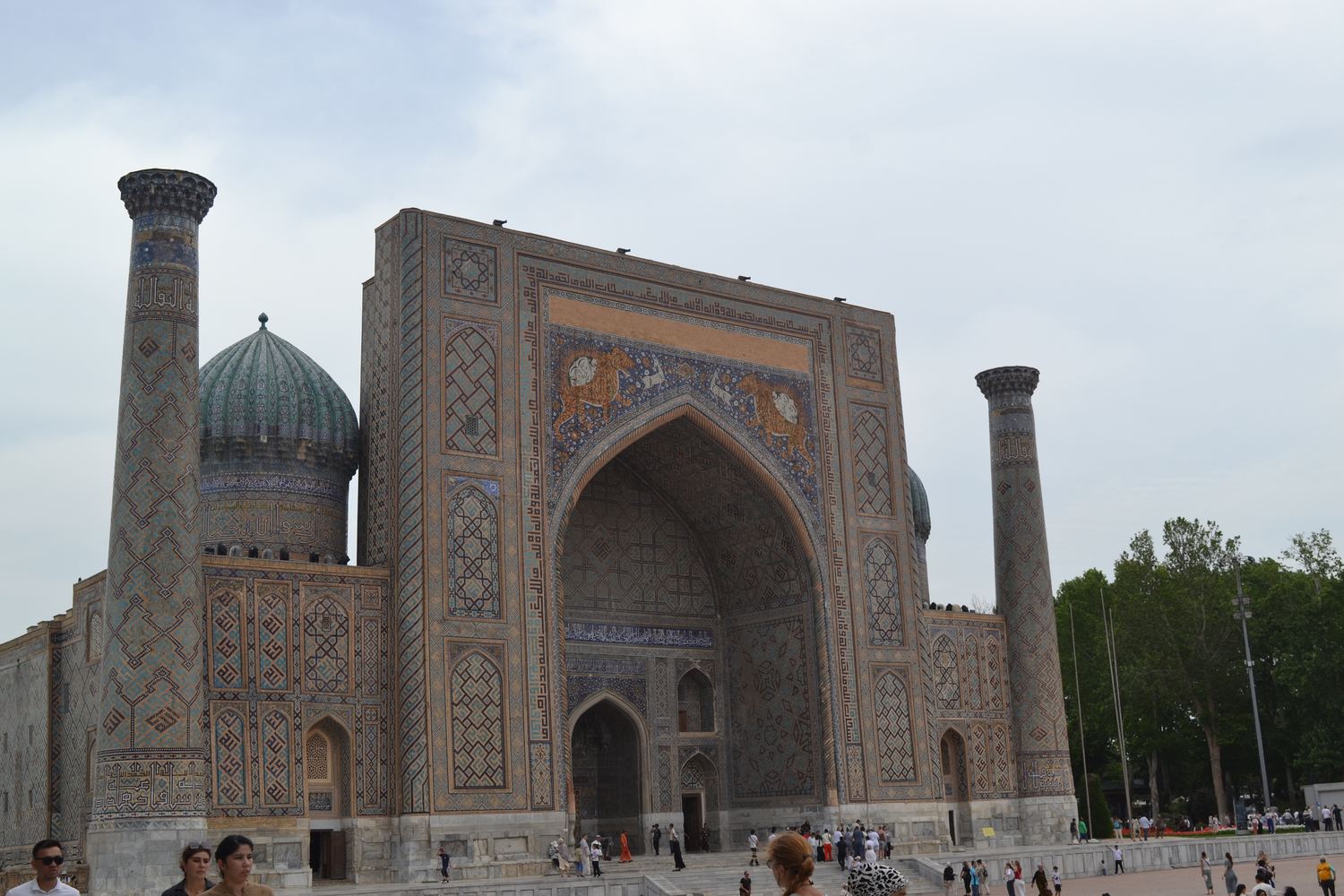
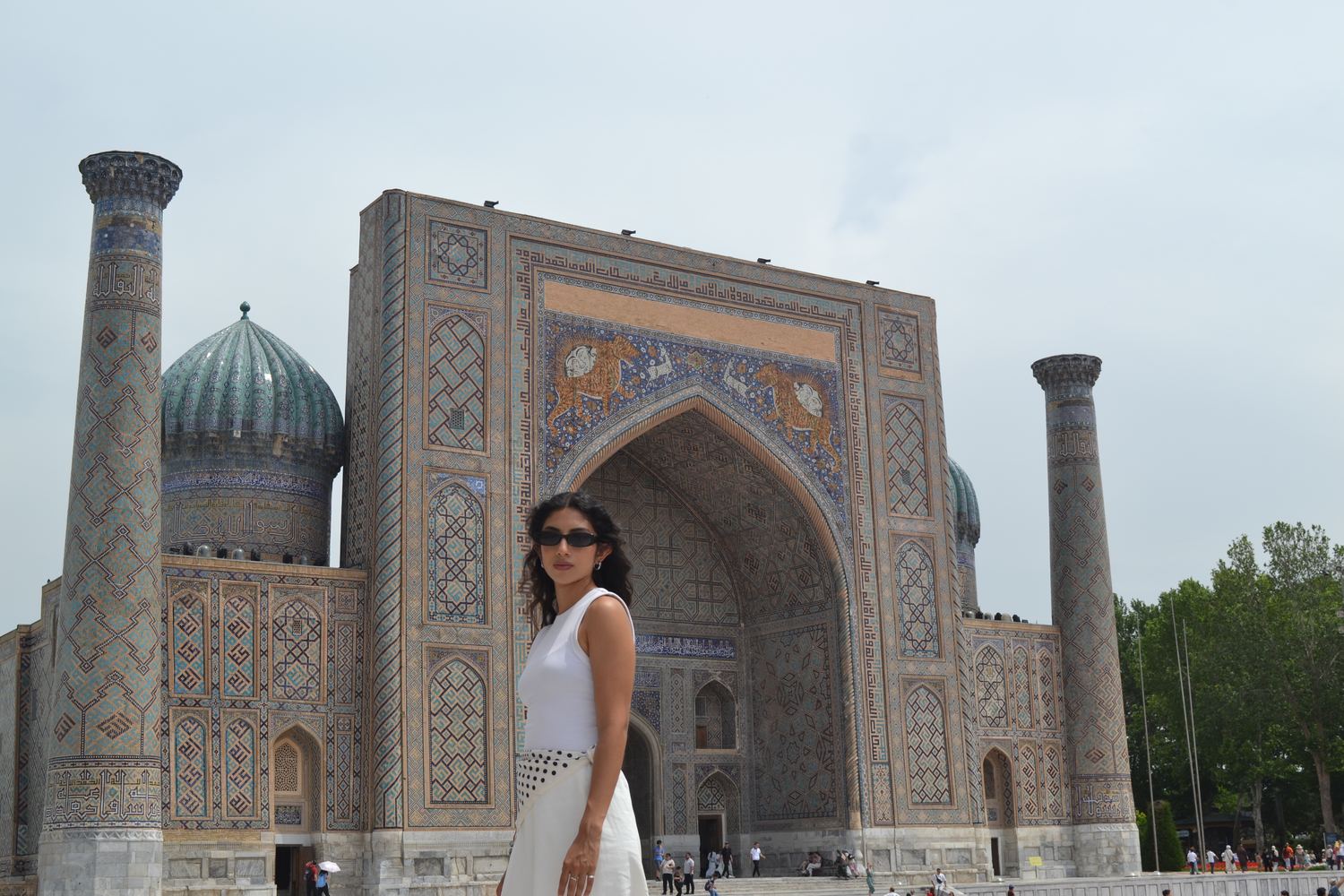
Registan, 09:12 — before the buses09.05 · 09:12

Samarkand, mostly empty
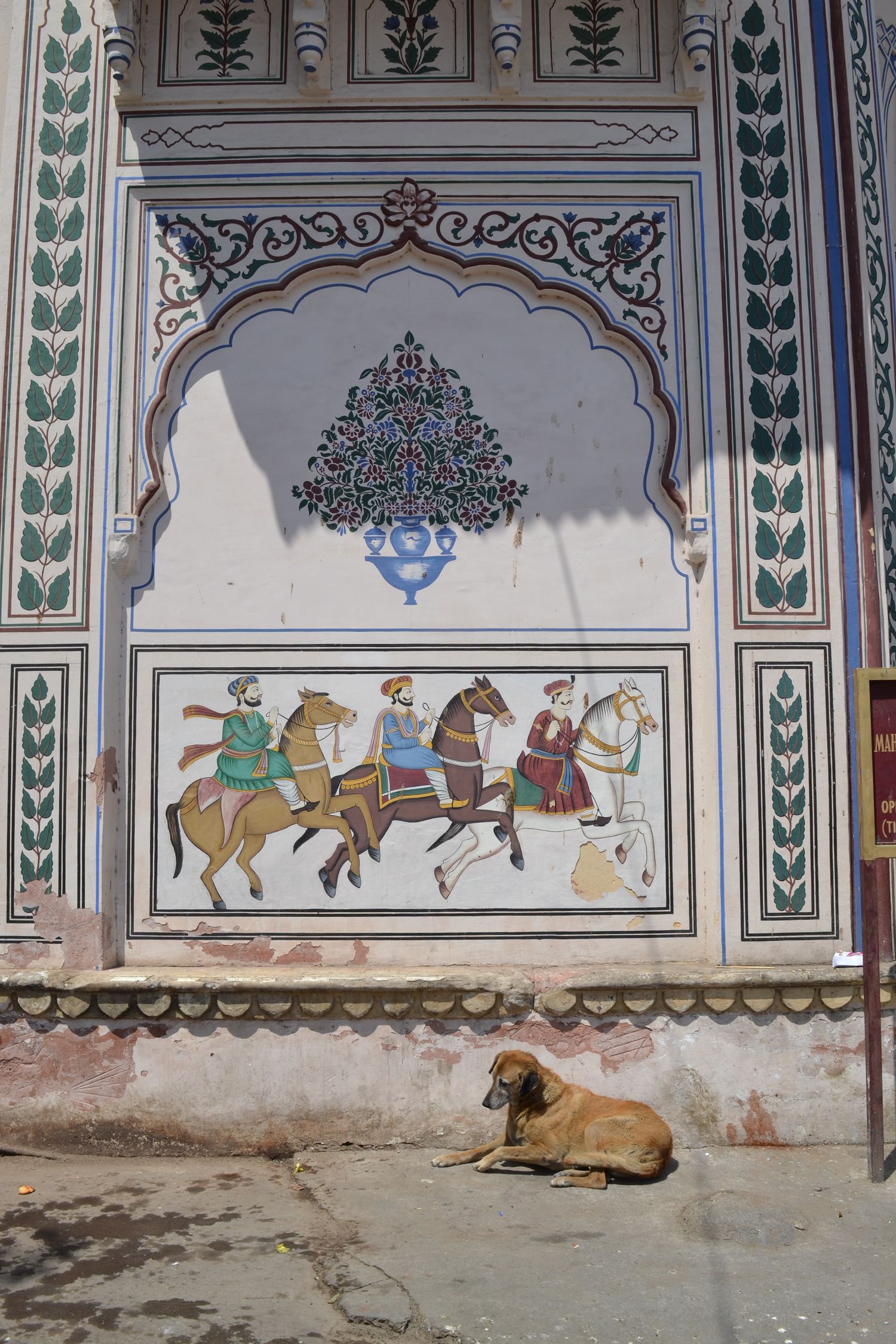
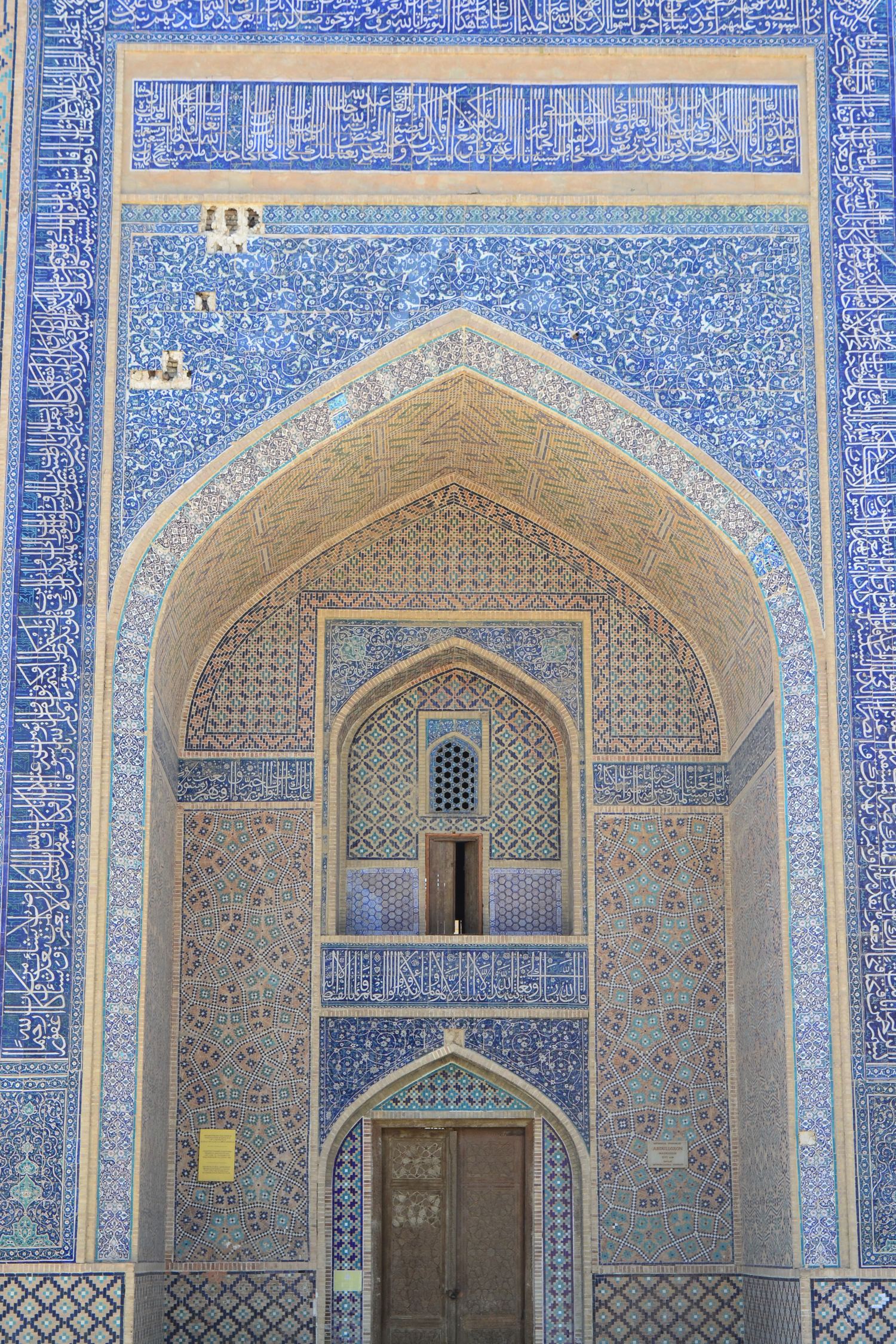
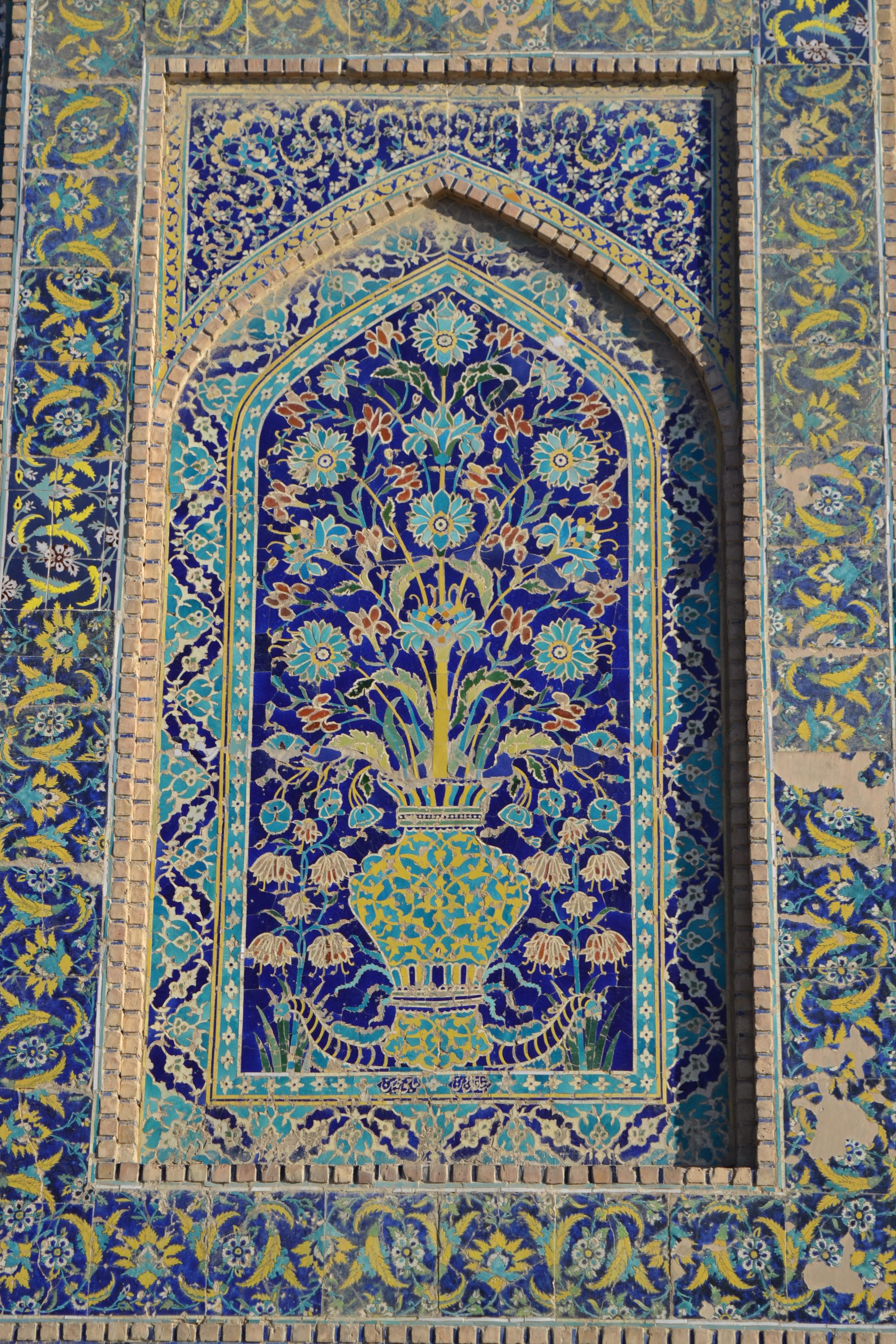
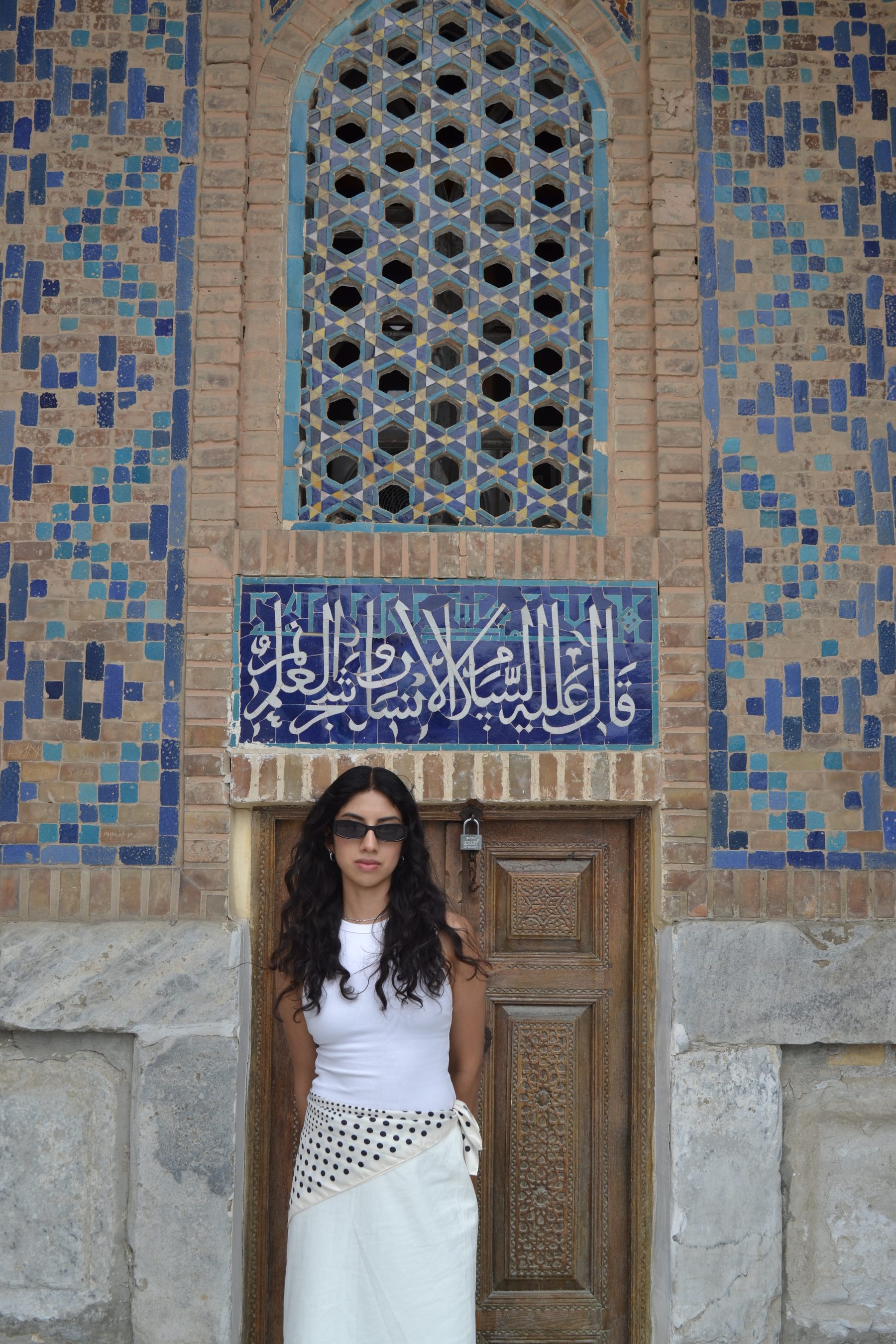
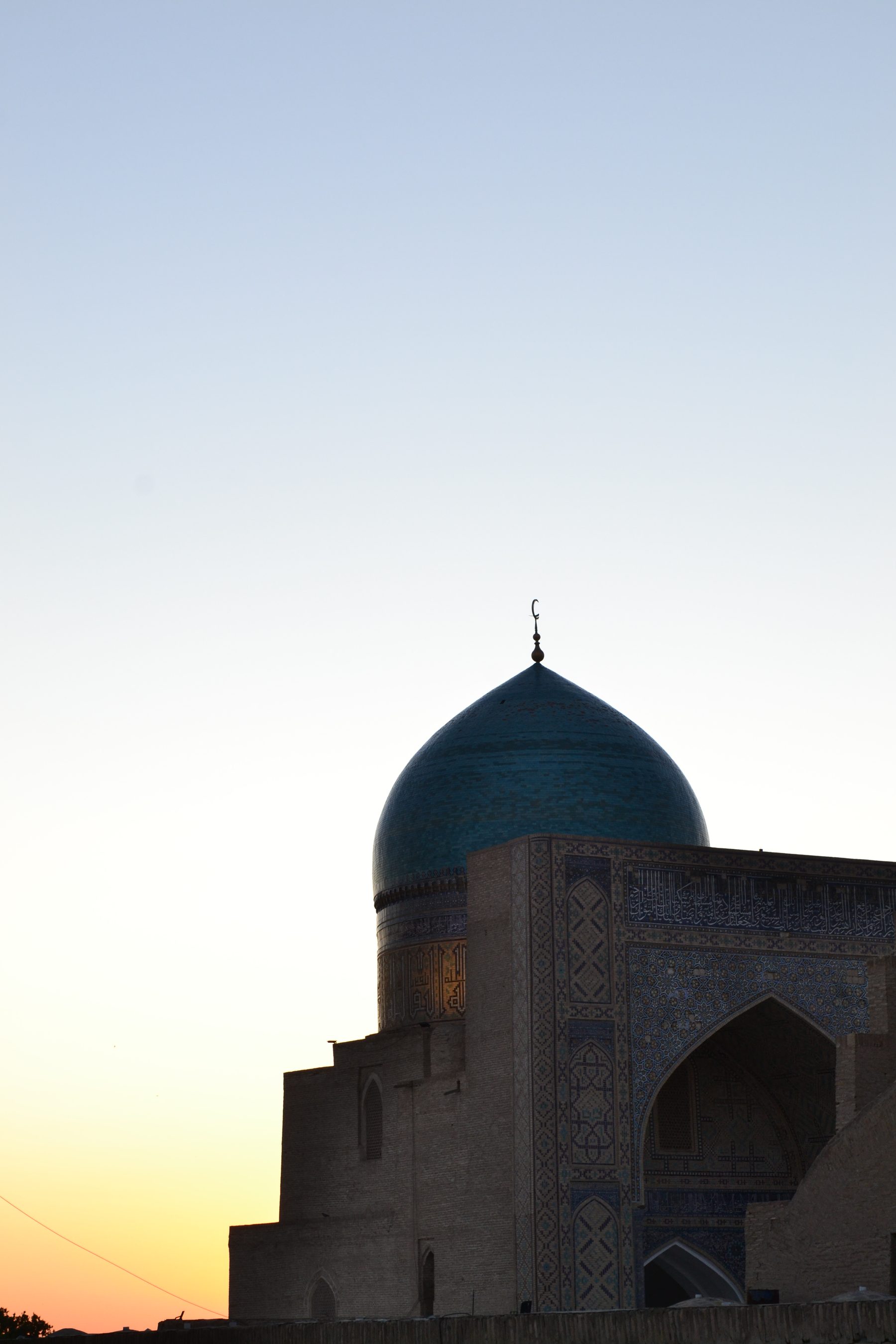
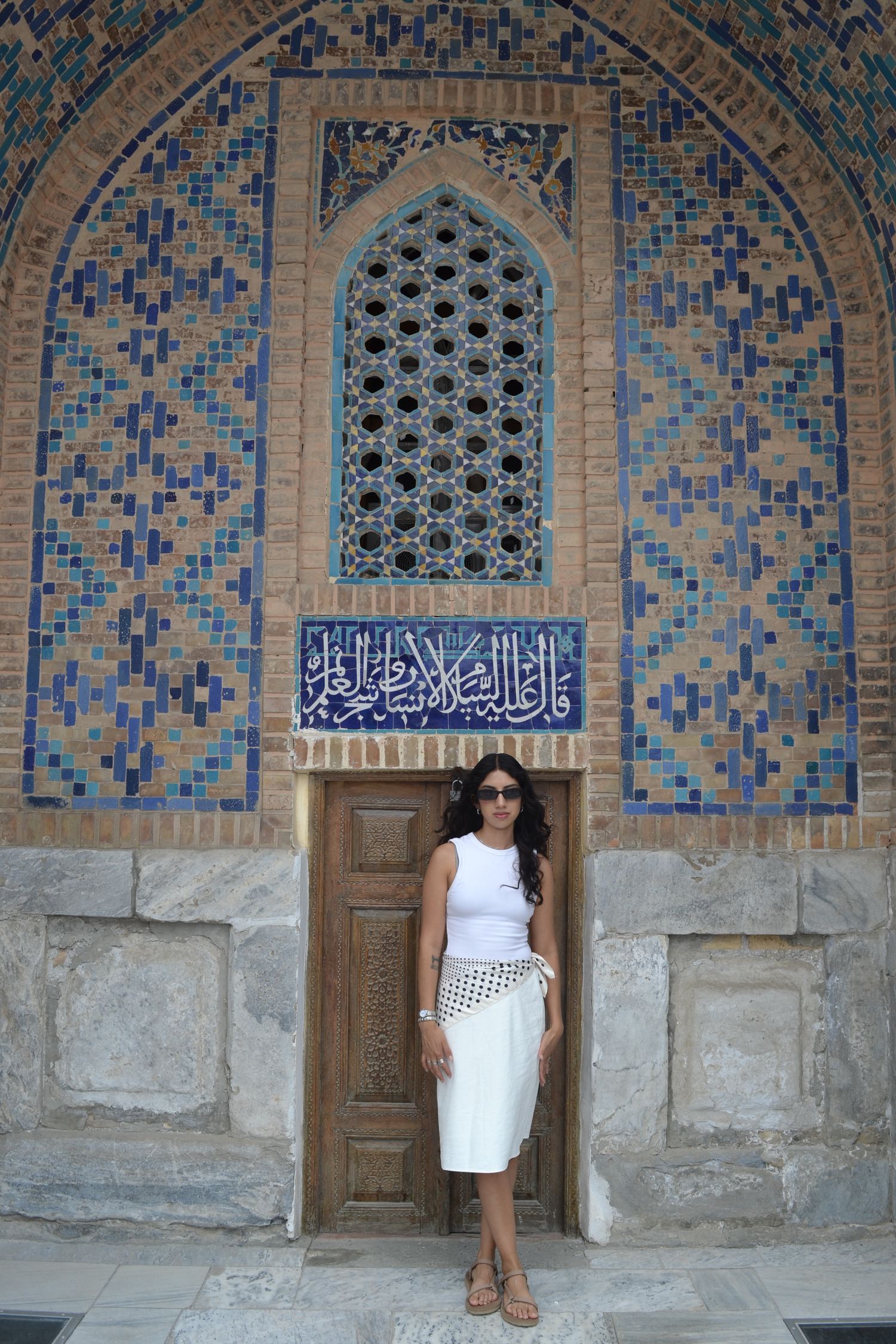
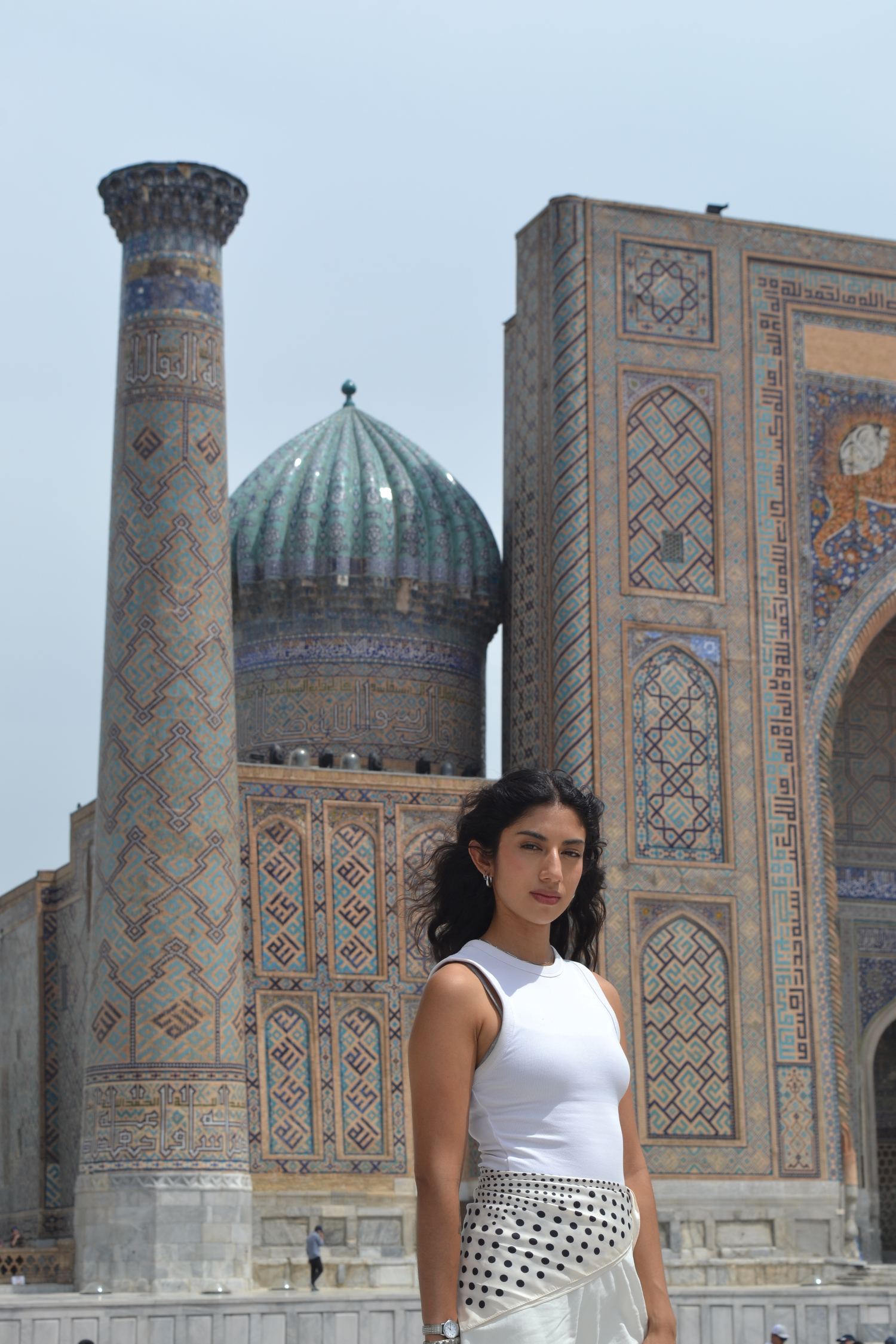
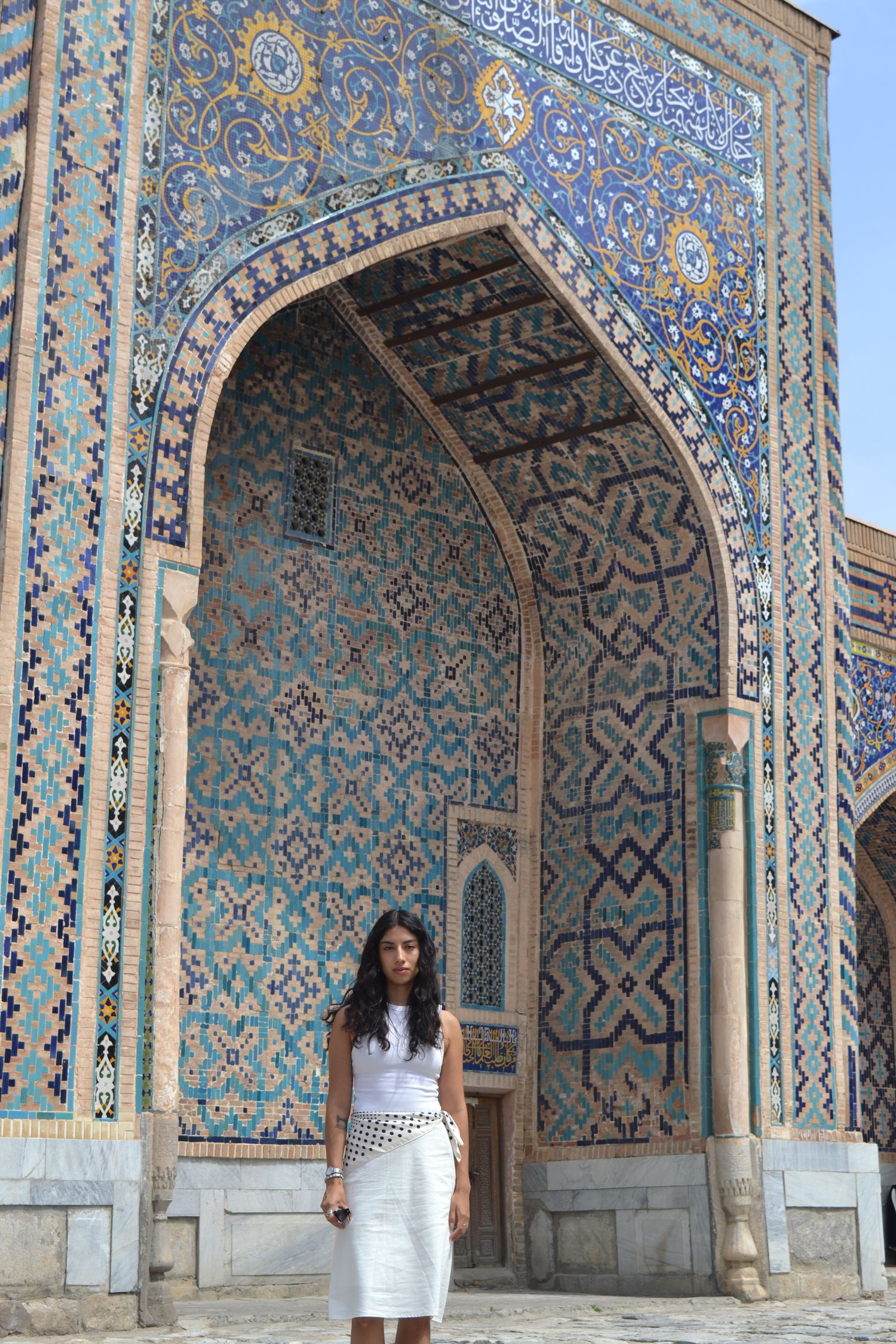
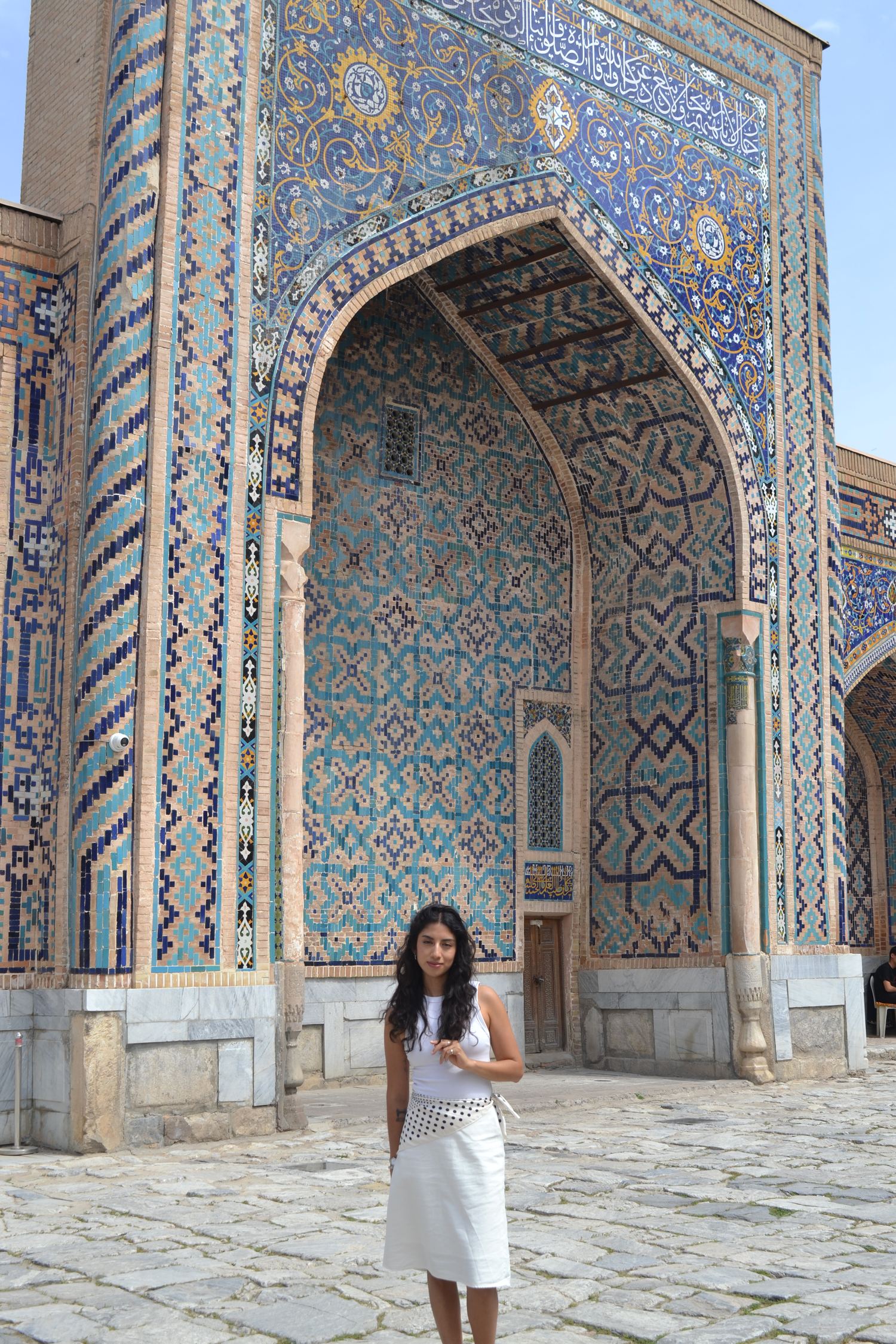
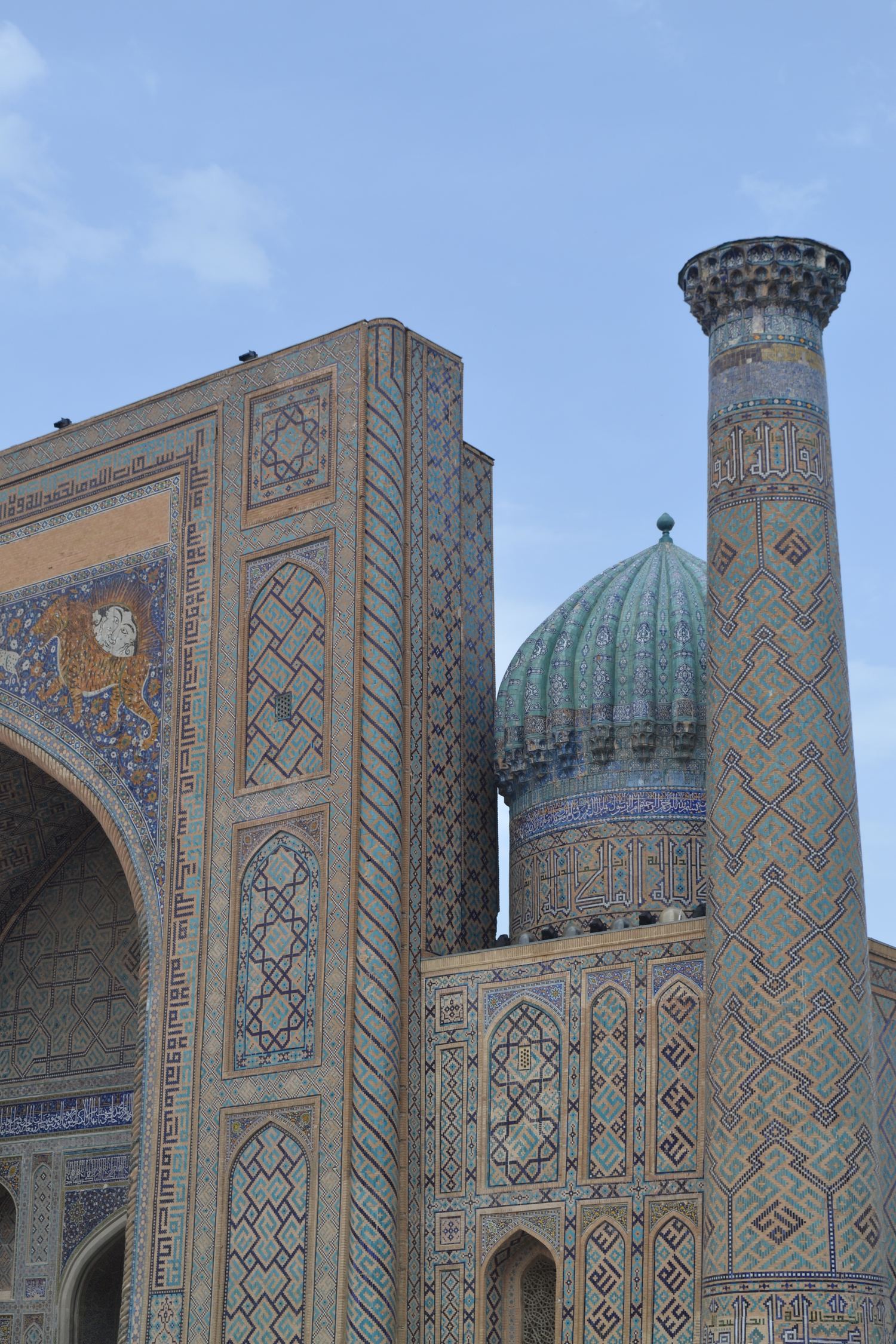
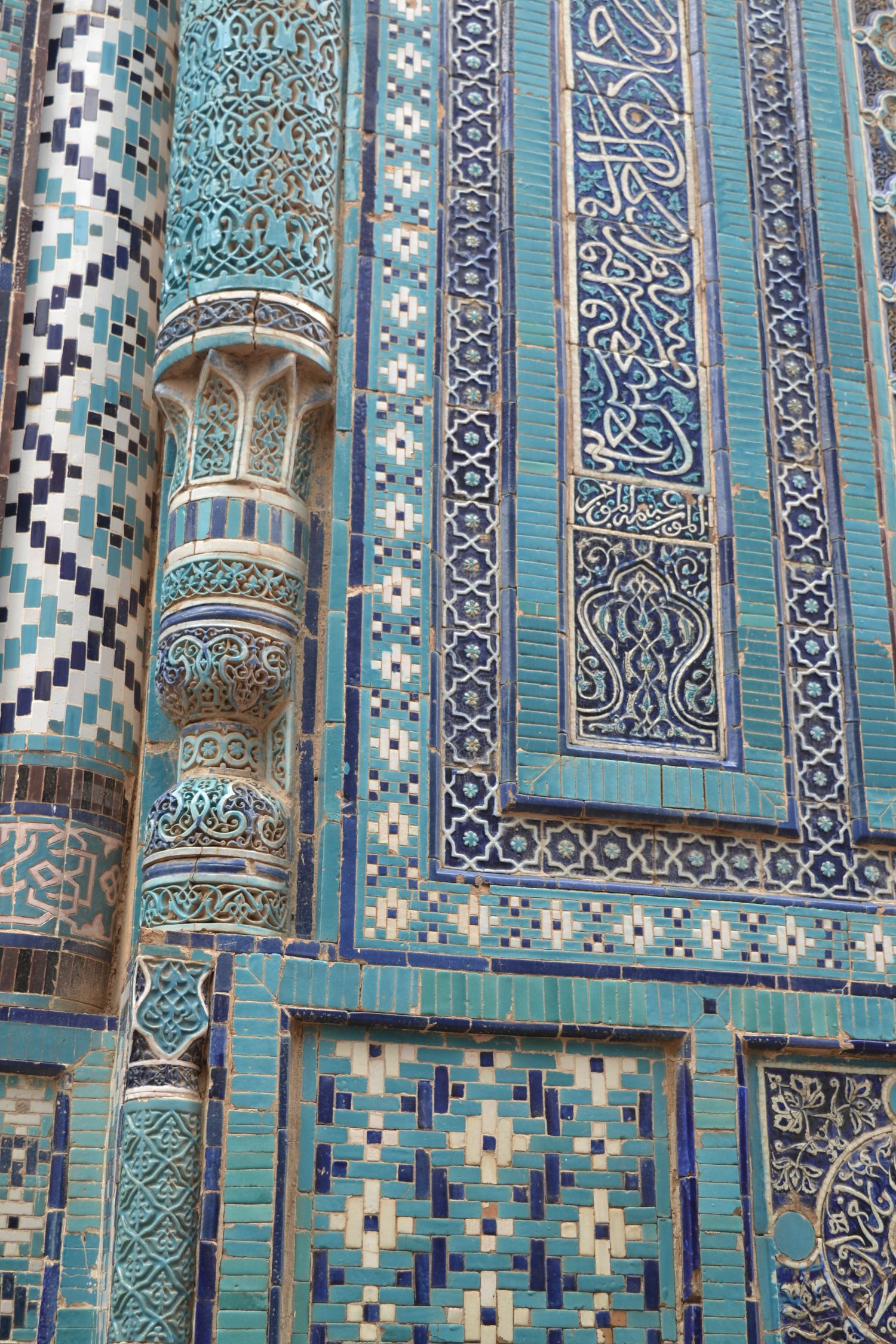
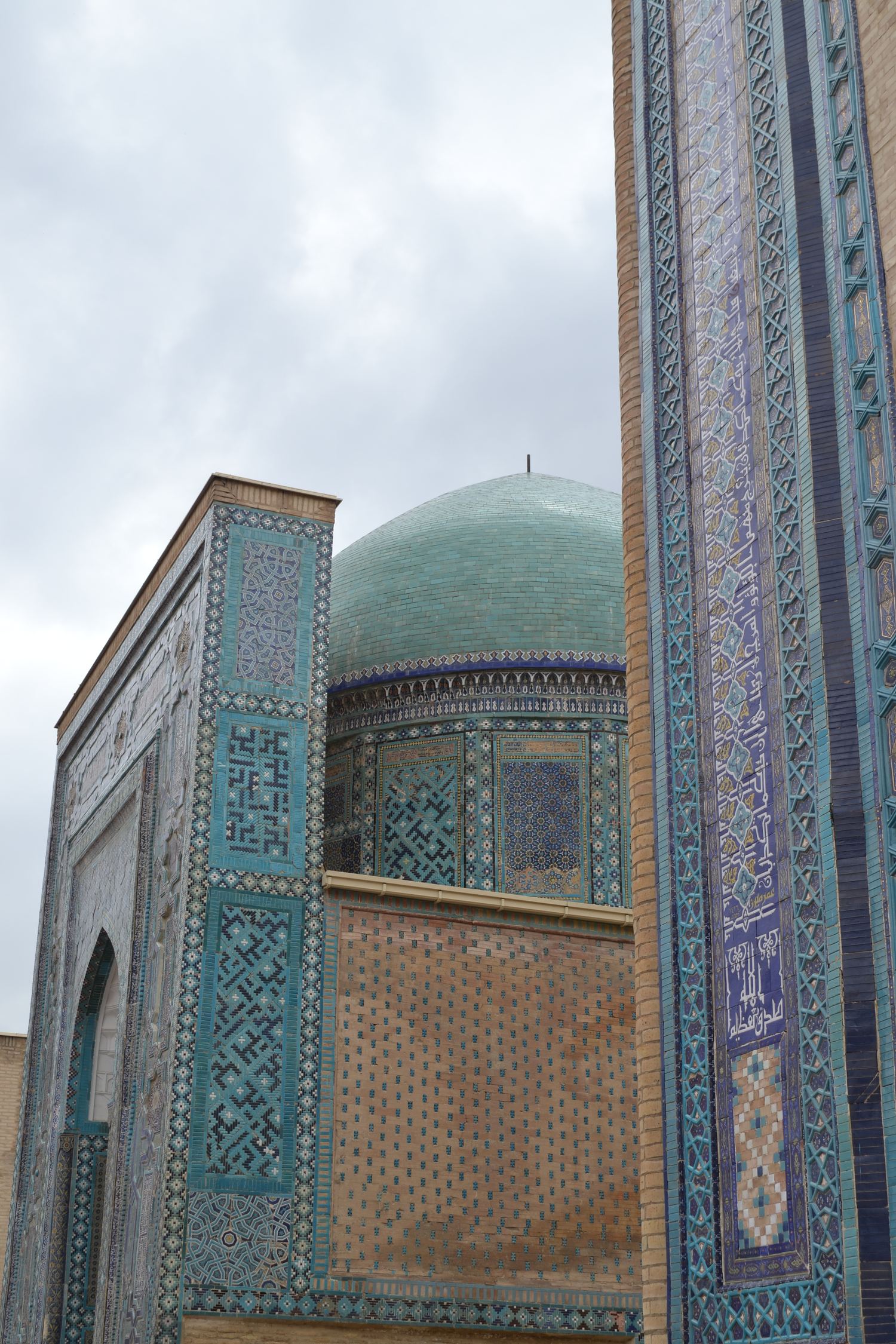
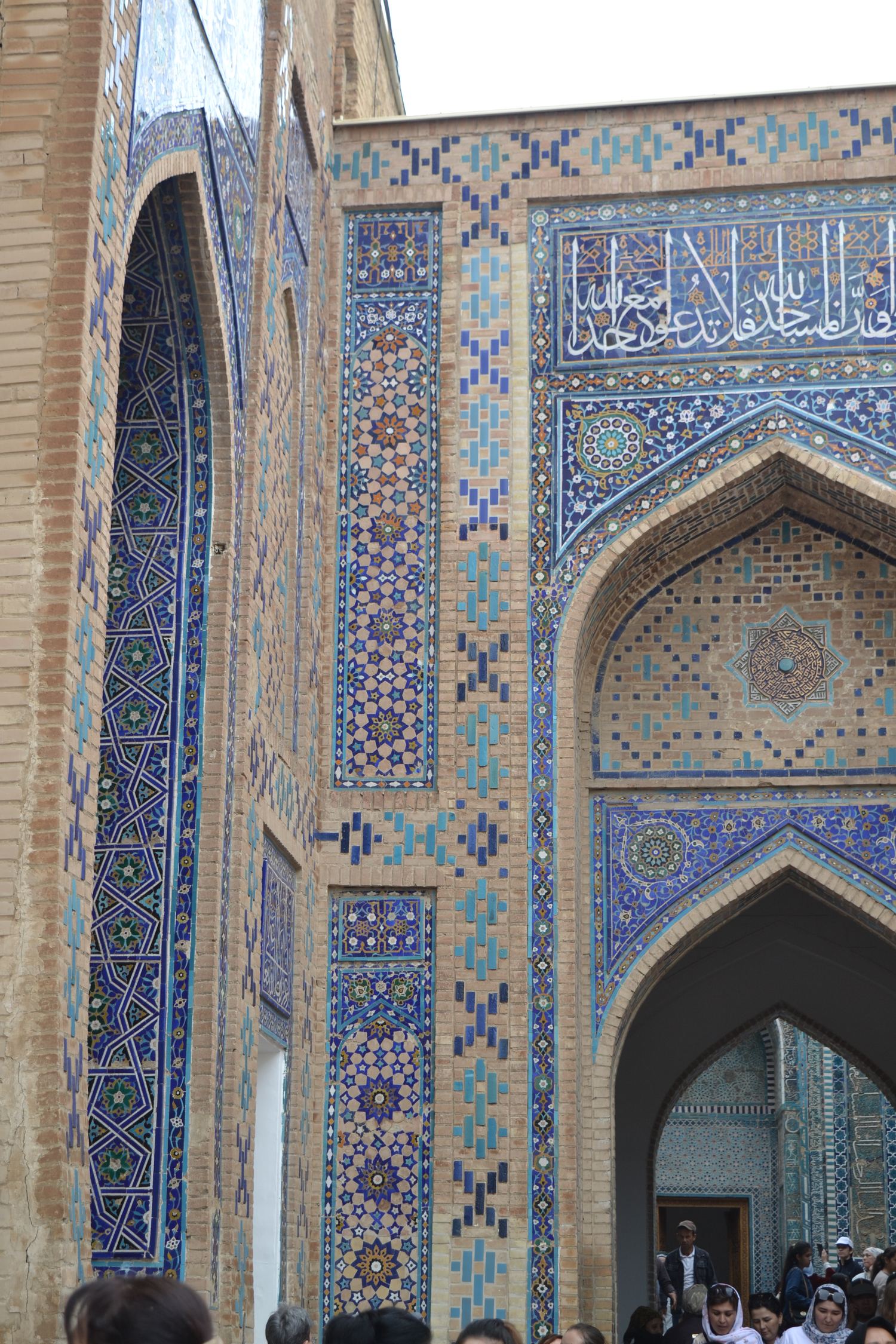
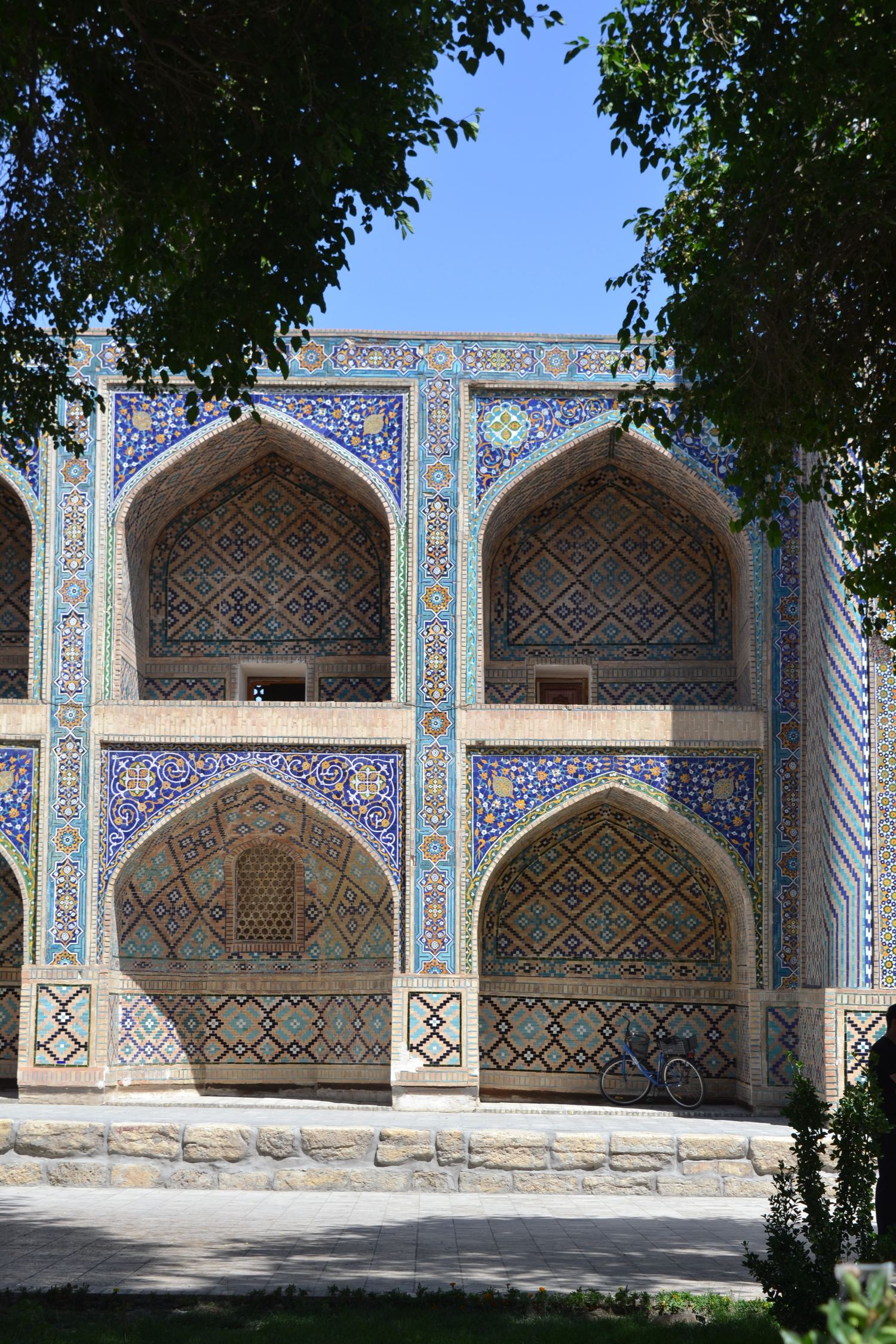
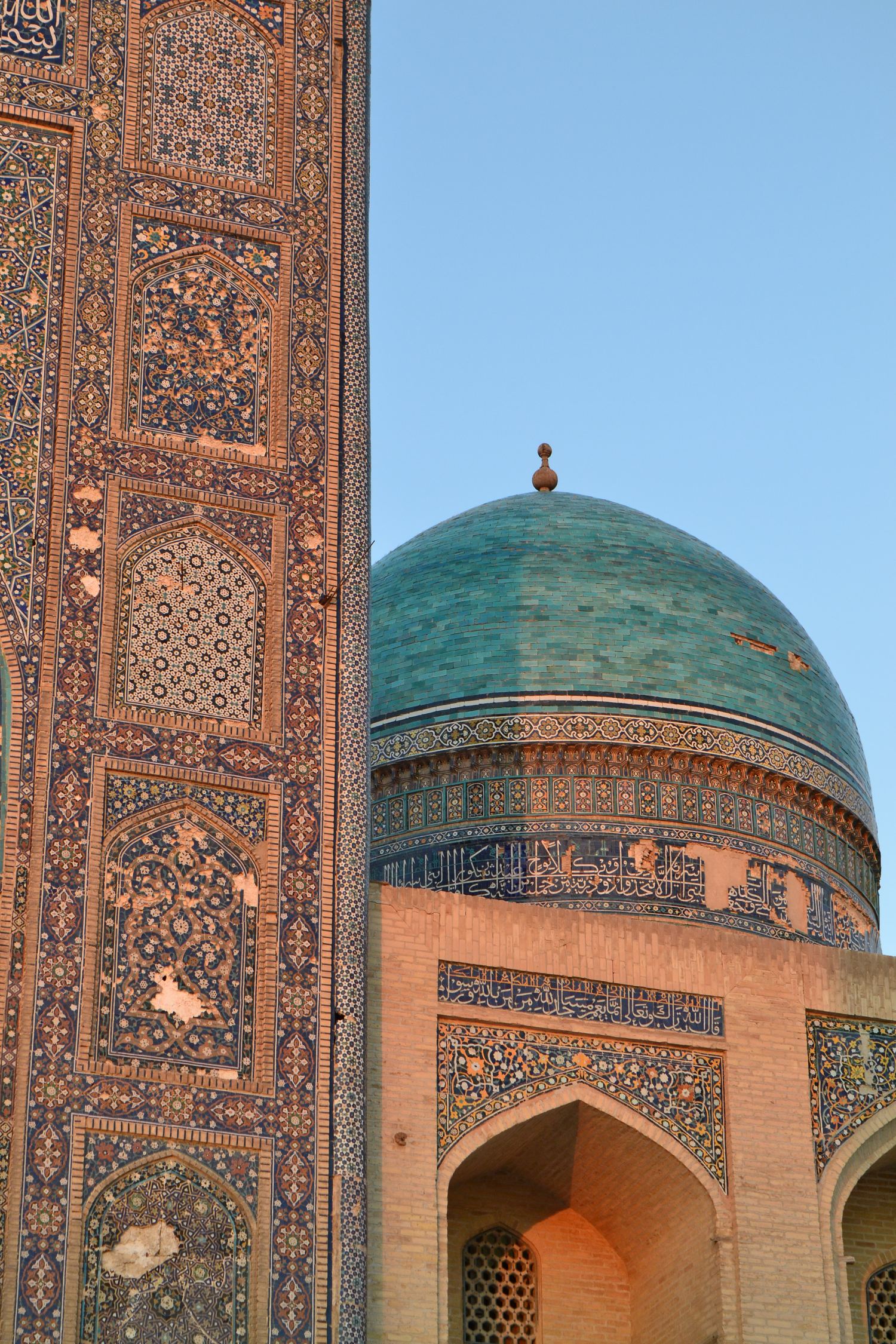
I had been told to come early. Six in the morning, the guide had written, before anyone. I came at half past five, walked the long avenue from the metro through a city that was still rinsing its own pavements, and arrived at the Registan in time to be the only foreigner in the square. The blue of the tiles — Persian blue, cobalt, lapis, a blue with a kind of moral weight — was just then being switched on by the sun.

# afrosiyob high-speed, tashkent → samarkand
train:    "AFR-762"
depart:   08:00  TSE
arrive:   10:08  SKD
distance: 344 km
avg_speed: 165 km/h
cost:     UZS 240,000  // ≈ £15
snack:    "black tea + sambusa"
soundtrack: "steppe + slow wifi"
Field Notes — Uzbekistan
Plov, lunch
UZS 35,000 (≈ £2.20)
Lepyoshka (round bread)
UZS 3,000
Metro, Tashkent
UZS 1,700 — flat fare
Hostel, Bukhara old town
UZS 180,000 / night
Greeting
Assalomu alaykum
Word of the week
Qovun — melon
Tile colour, Registan
#1B3A8E (approx.)
Tilework, late light09.05 · 18:40
Bukhara, the bread bakery12.05 · 08:30
“Walking out of the Registan I had the strong, surprising sense of being a small person inside a very large idea — that the idea was the road, that the road went both directions, and that I was on it.” — Samarkand, 09.05
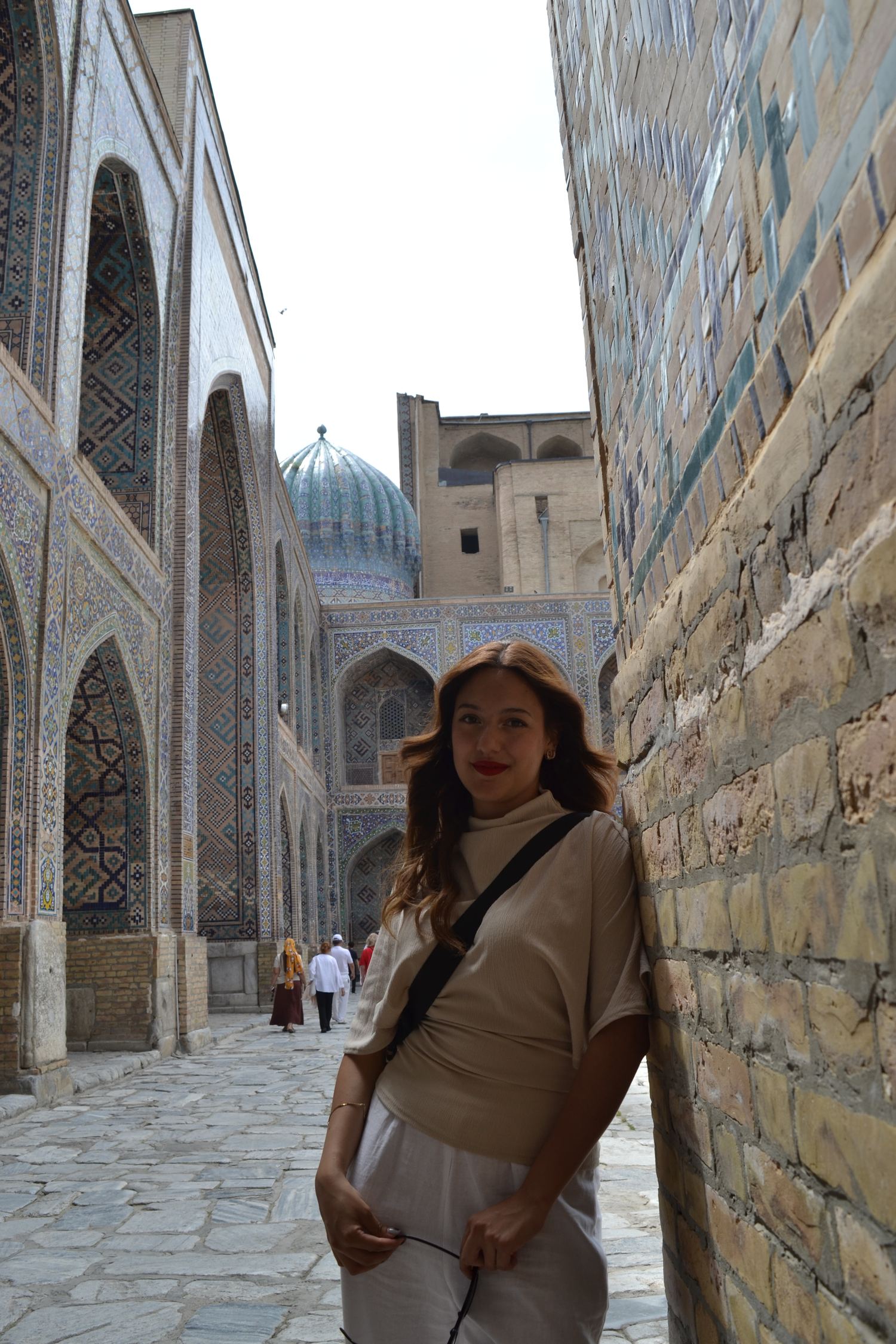
Caravanserai courtyard, Bukhara12.05 · 15:02

In Bukhara every evening the old men appear at the Lyabi-Hauz with a quiet kind of ceremony — a teapot, a board for backgammon, the long shadows of the mulberry trees on the water. I sat down on the edge of the pool and was, within four minutes, a guest at someone's tea. I lost three games of backgammon and won, I think, a friend.

Further fragments — Uzbekistan
— V —

Kazakhstan

Almaty · the steppe · Astana

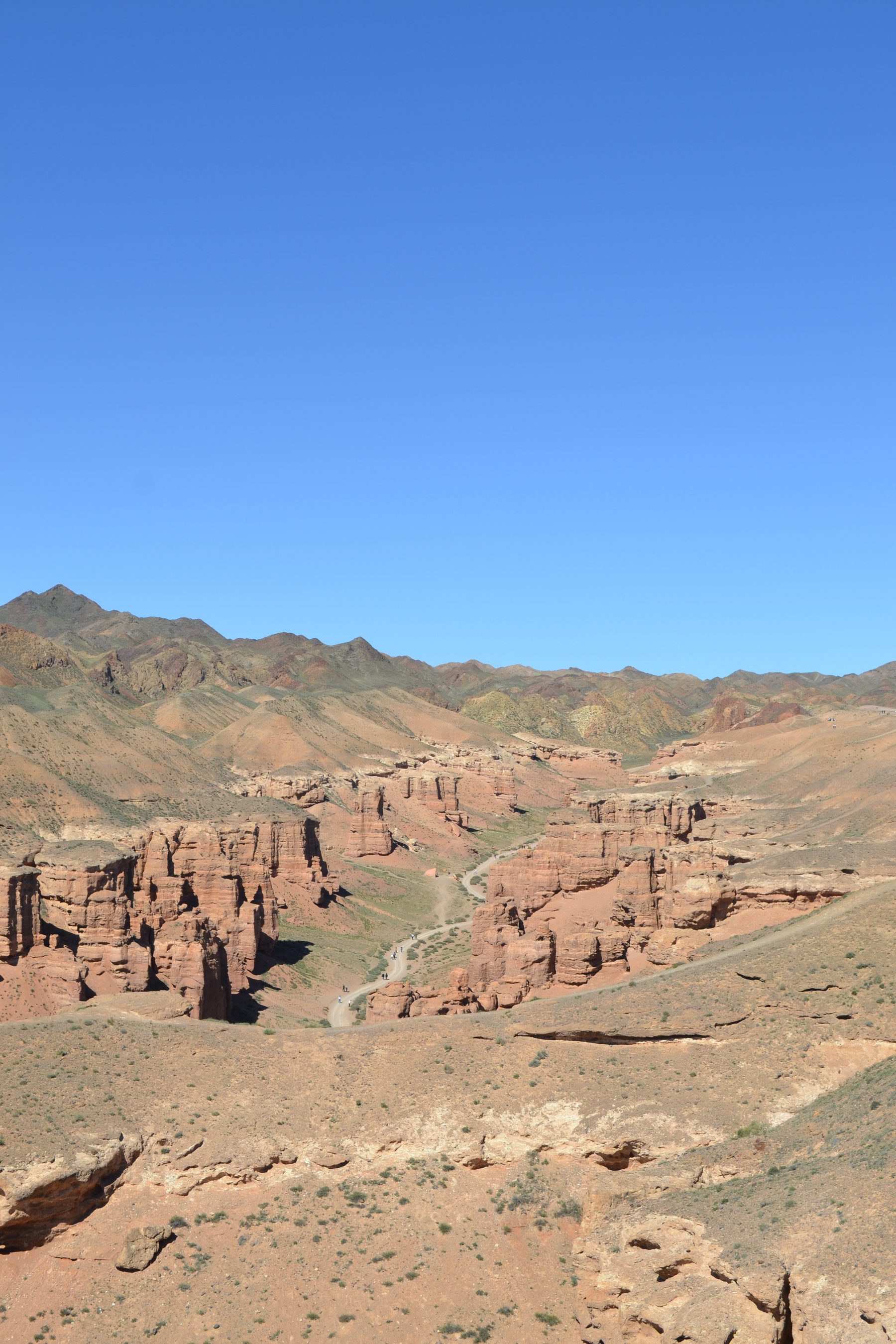
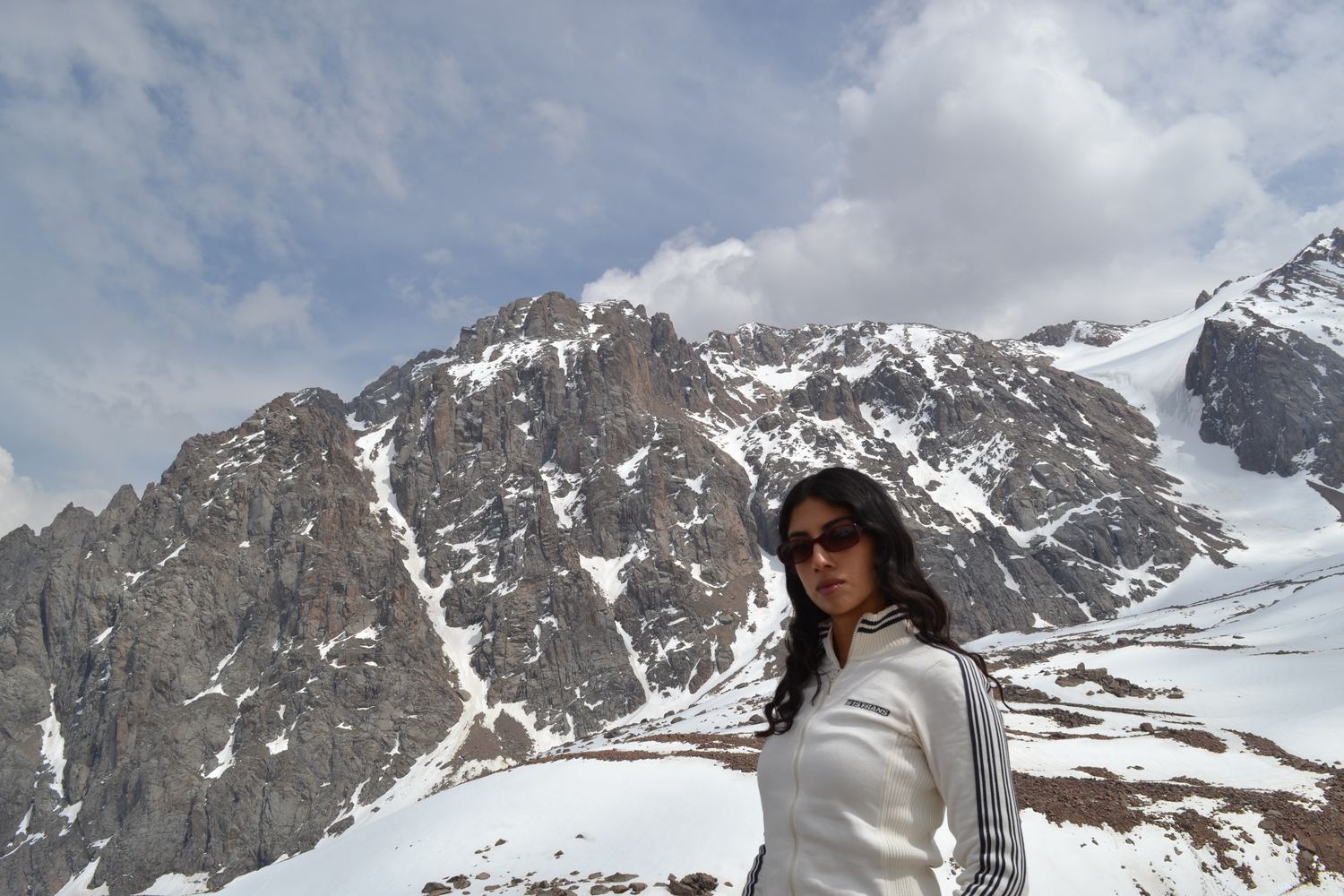
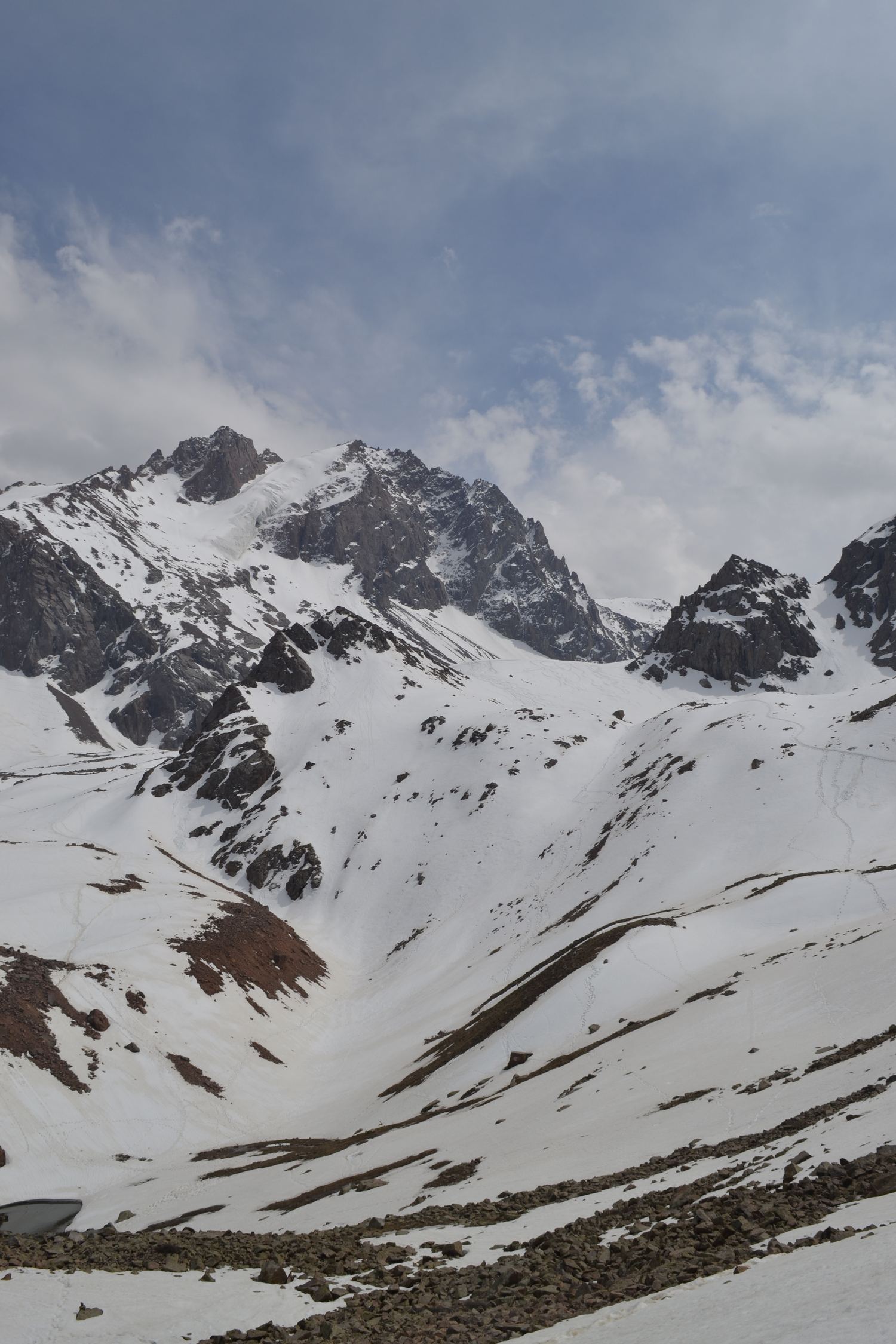
The largest country one had ever been inside. The mountains south of Almaty like a fence one isn't meant to climb, the steppe north of it like a sentence with no end. Three days in which the sky kept getting bigger and the words kept getting smaller.

43.2° NLatitude (Almaty)
76.9° ELongitude
2.72 M km²9th largest country
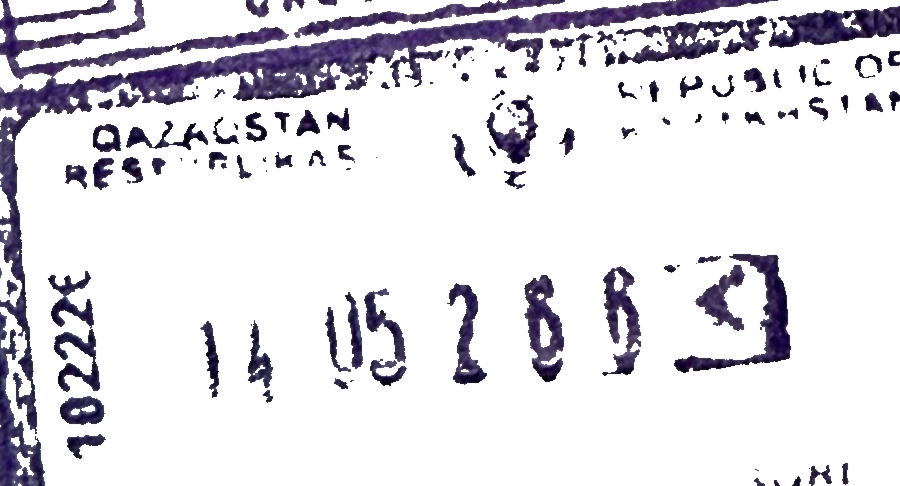
Kazakhstan border control stamp

A border at four in the morning

The marshrutka crossed into Kazakhstan in the long grey hour between night and morning. The border guard, when he stamped the passport, was so tired that the stamp came down slightly crooked — and so my Kazakh entry, like the country itself, leans a few degrees off the page. I have kept it that way. It feels more honest.

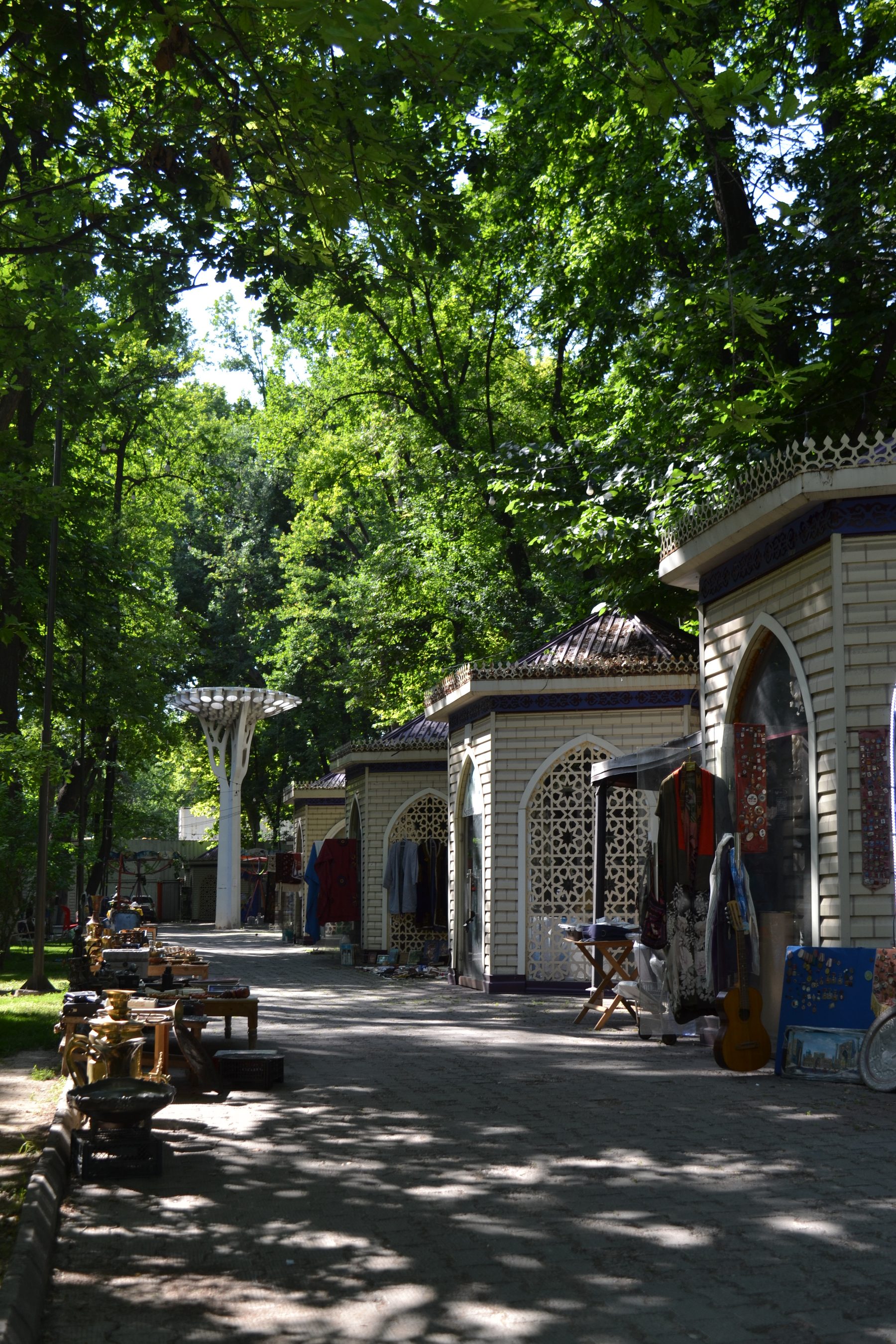
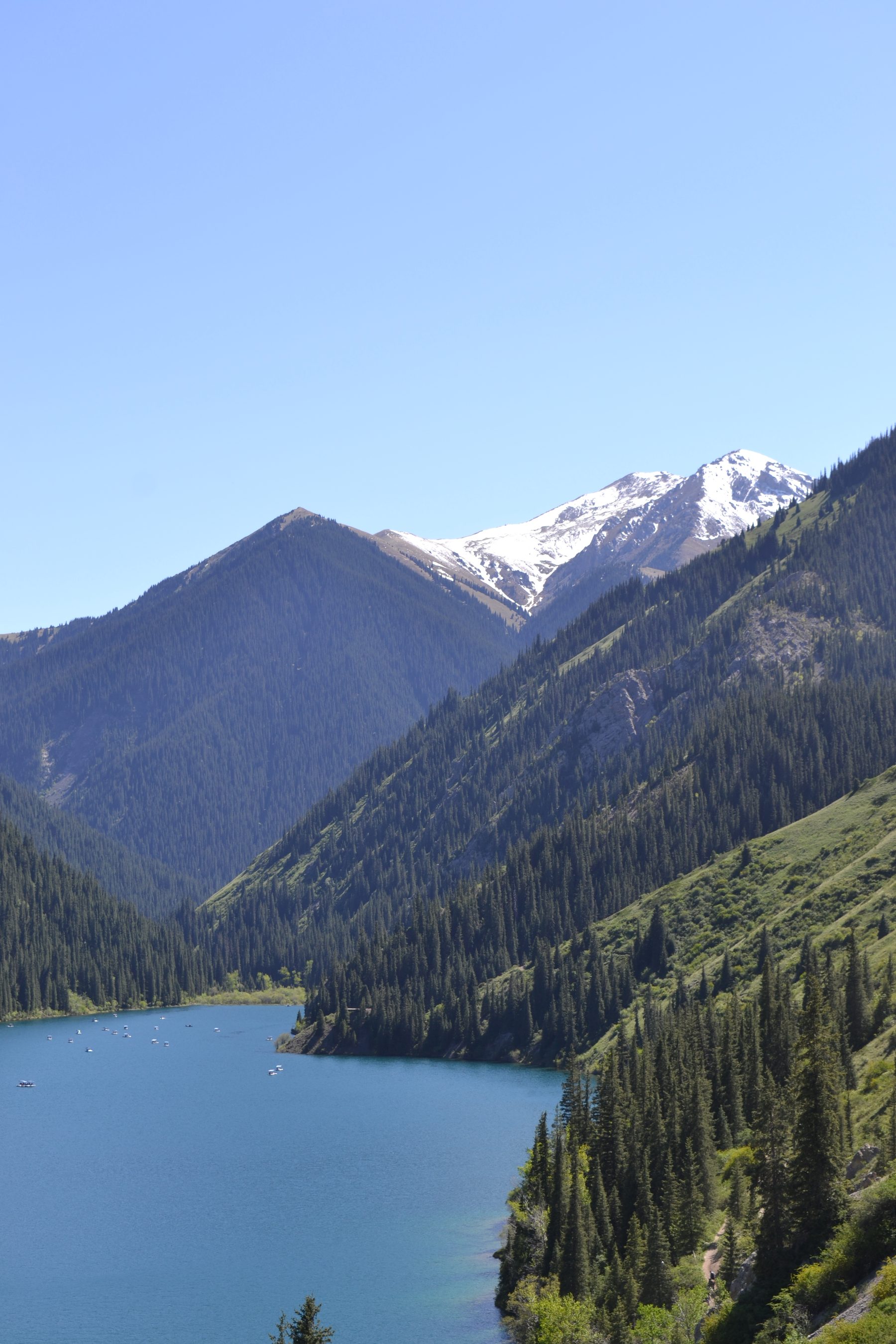
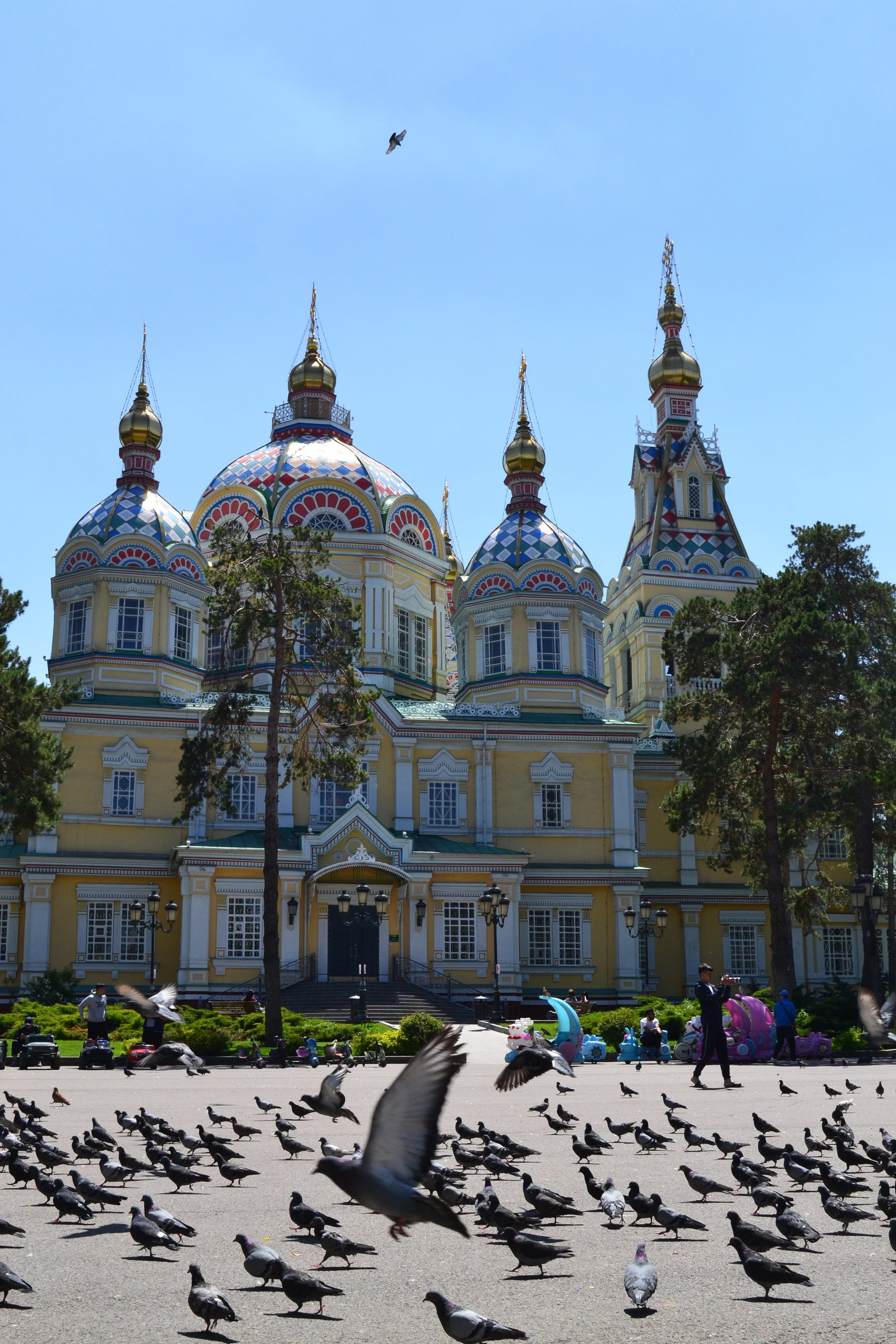
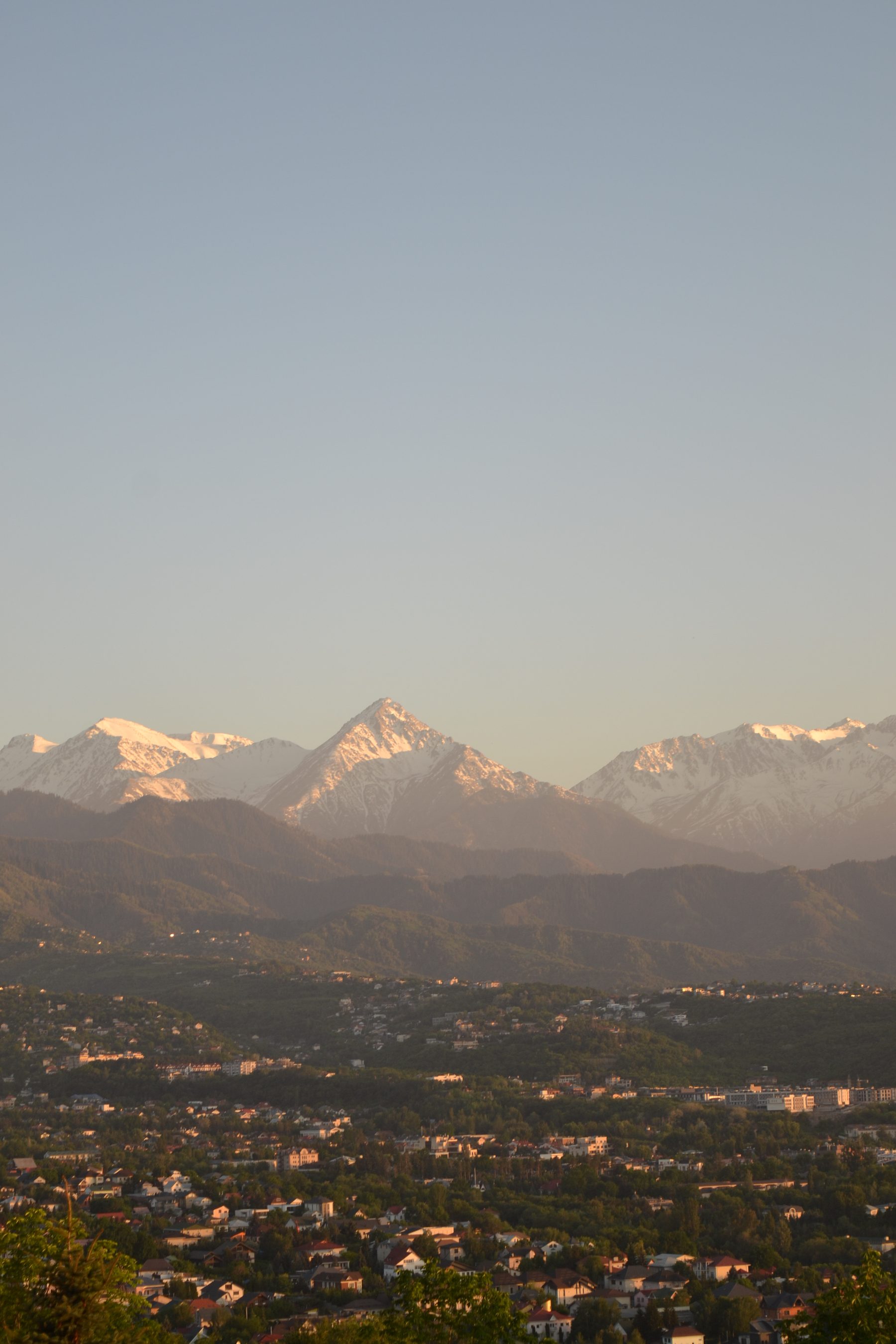
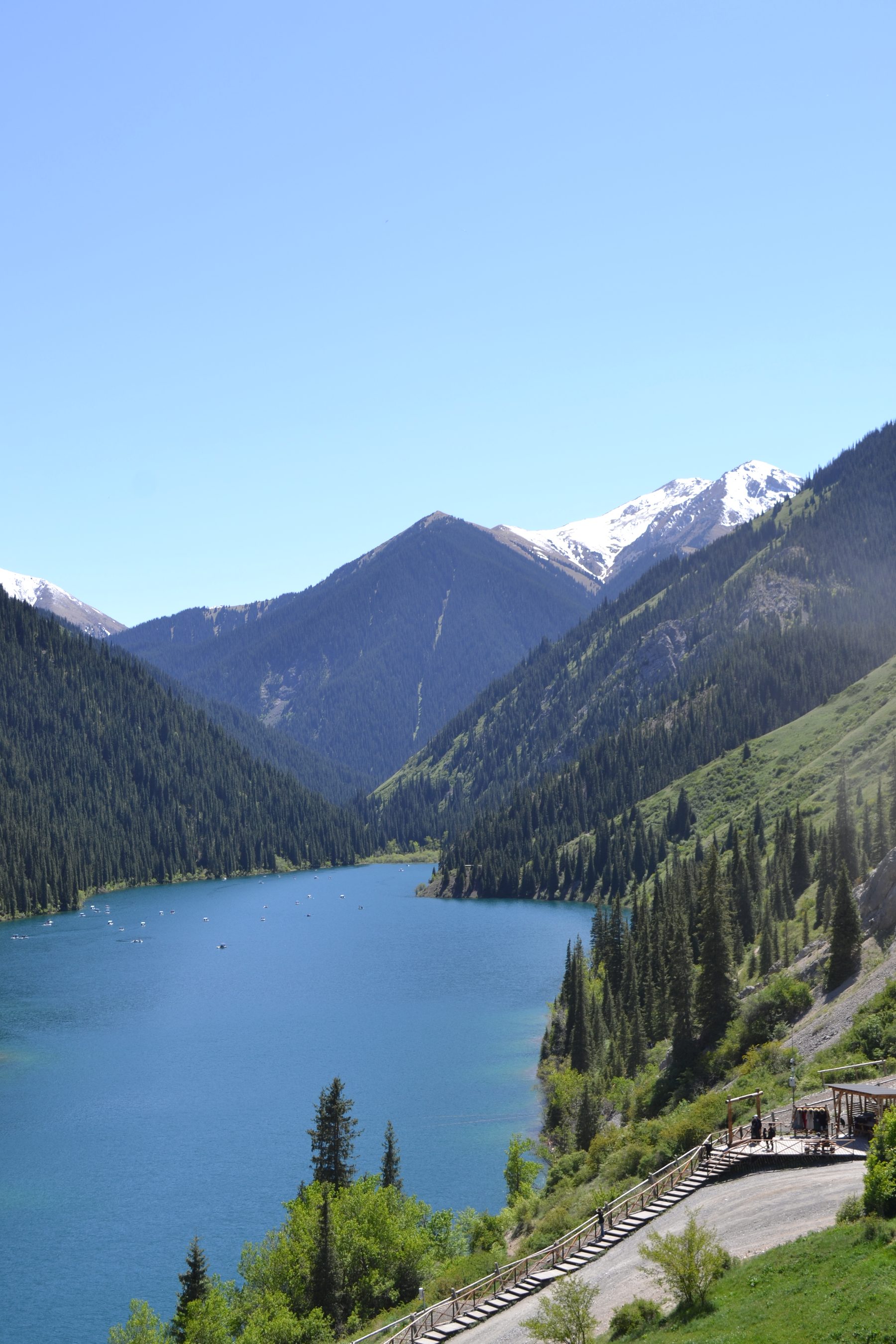
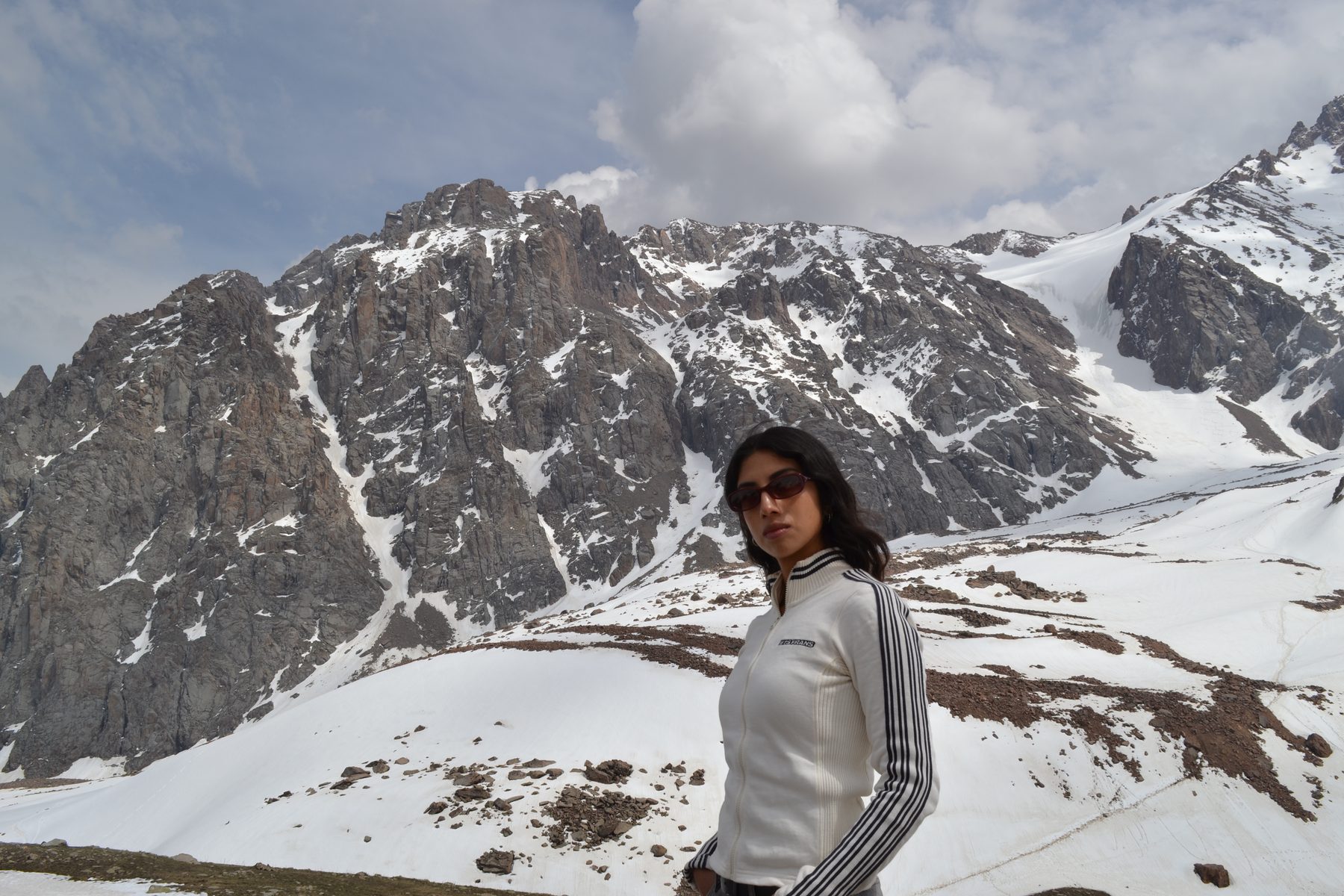
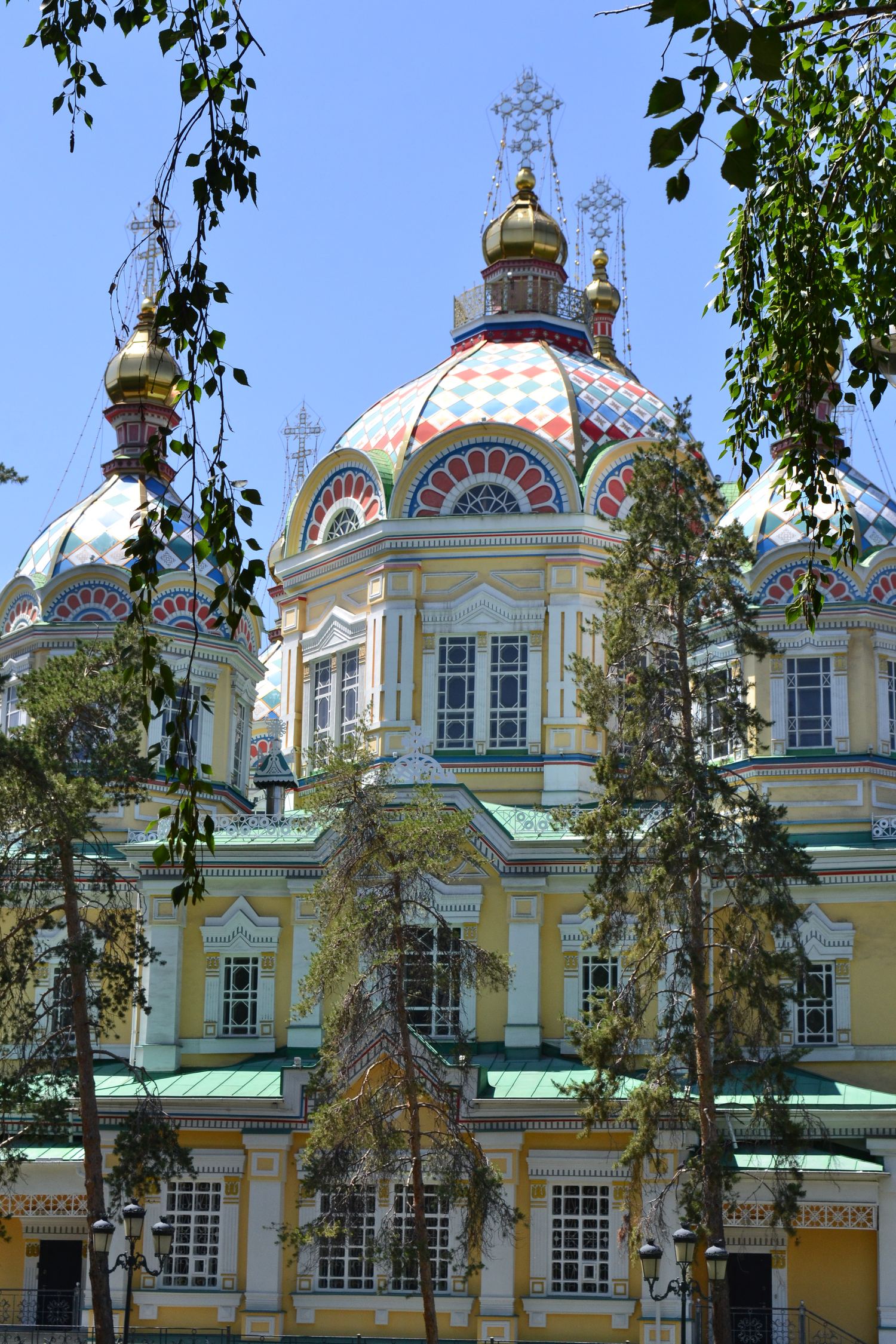
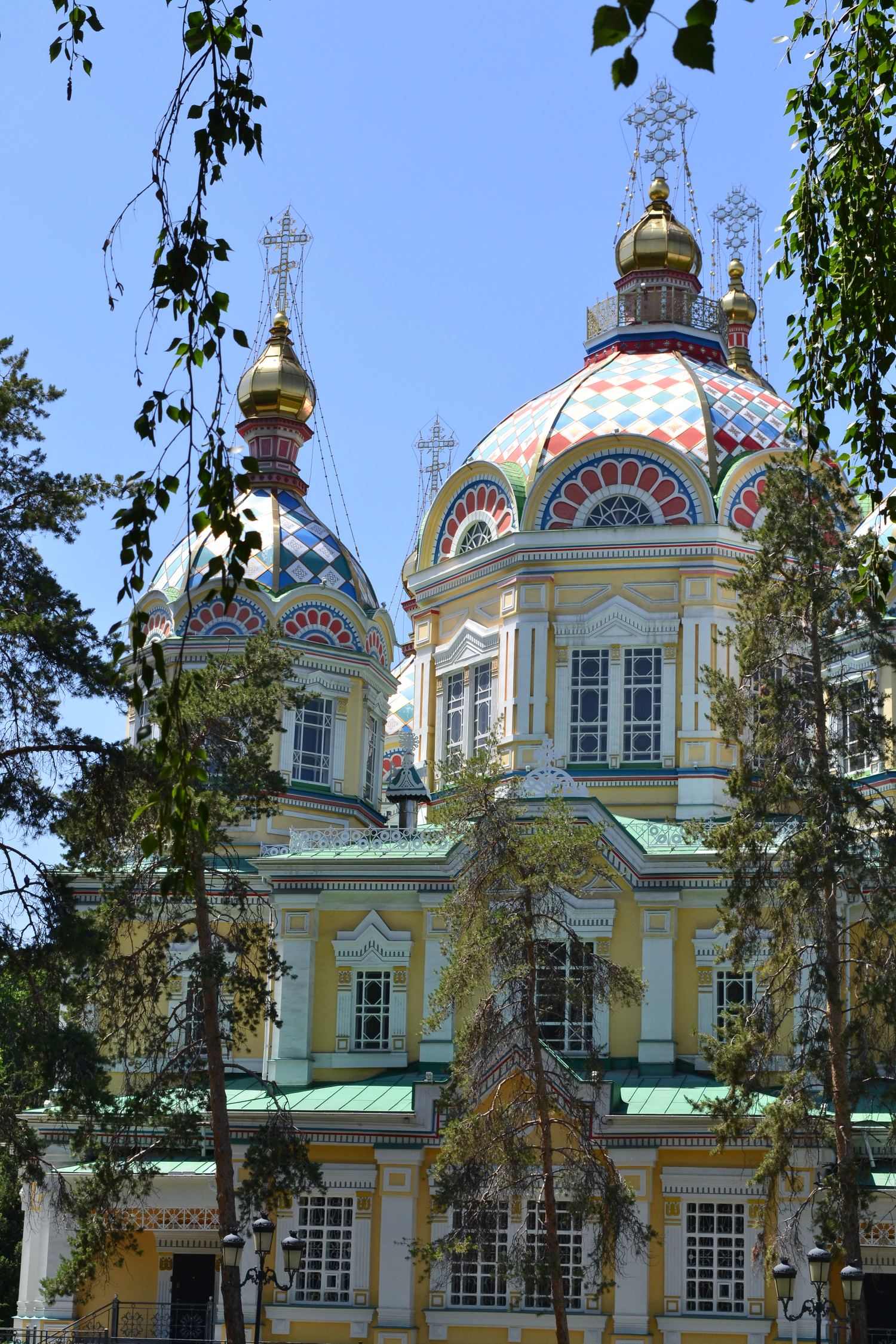
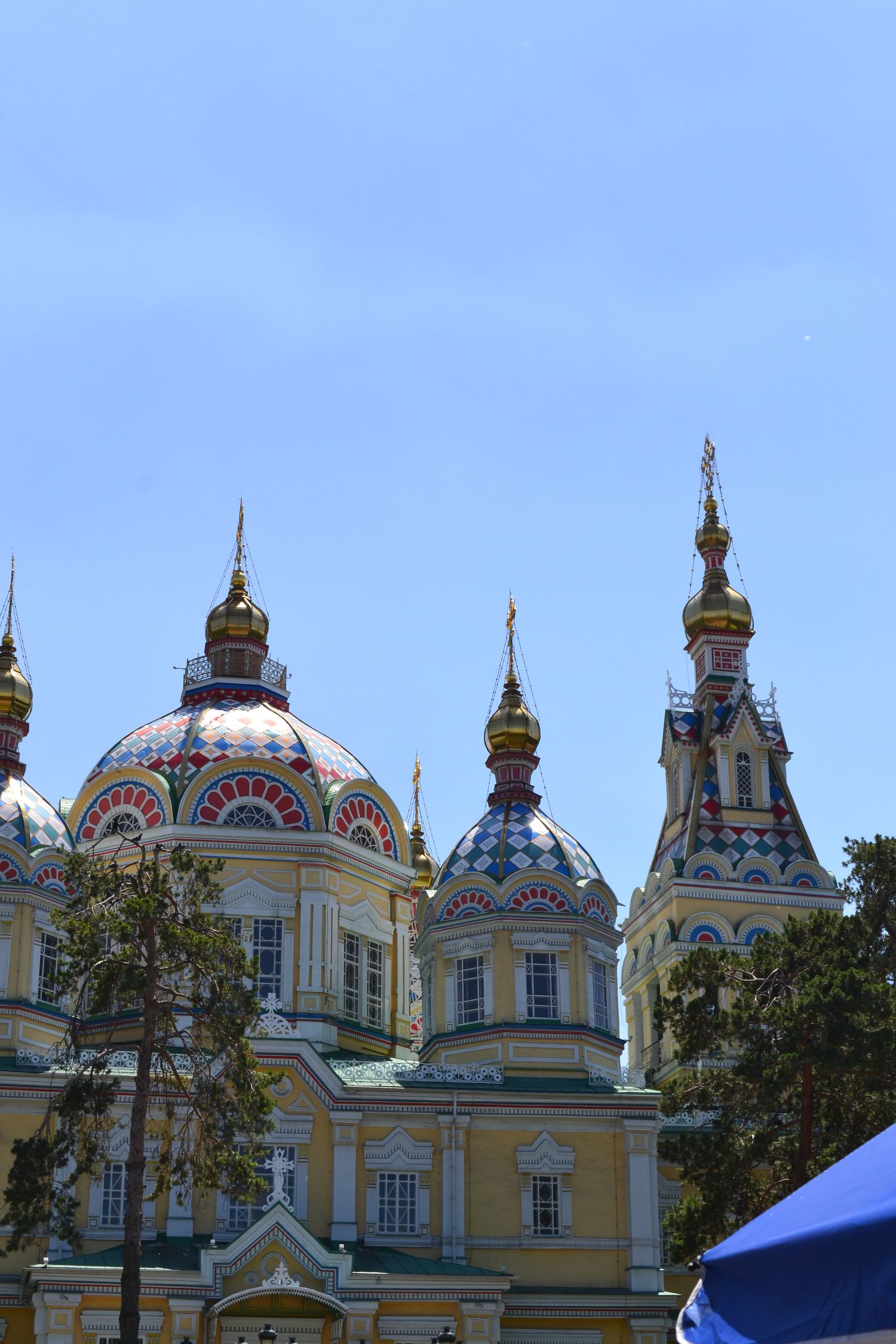
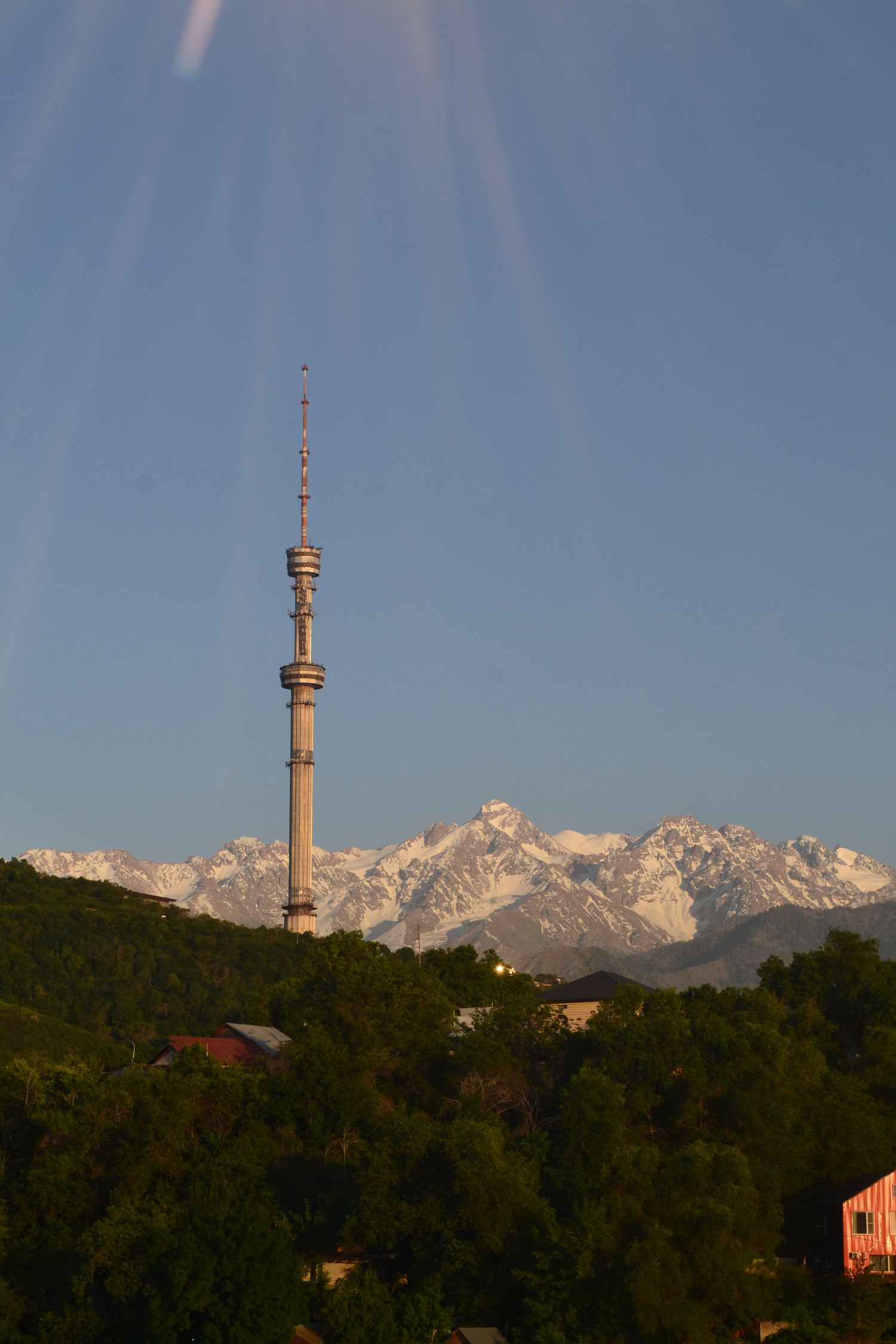
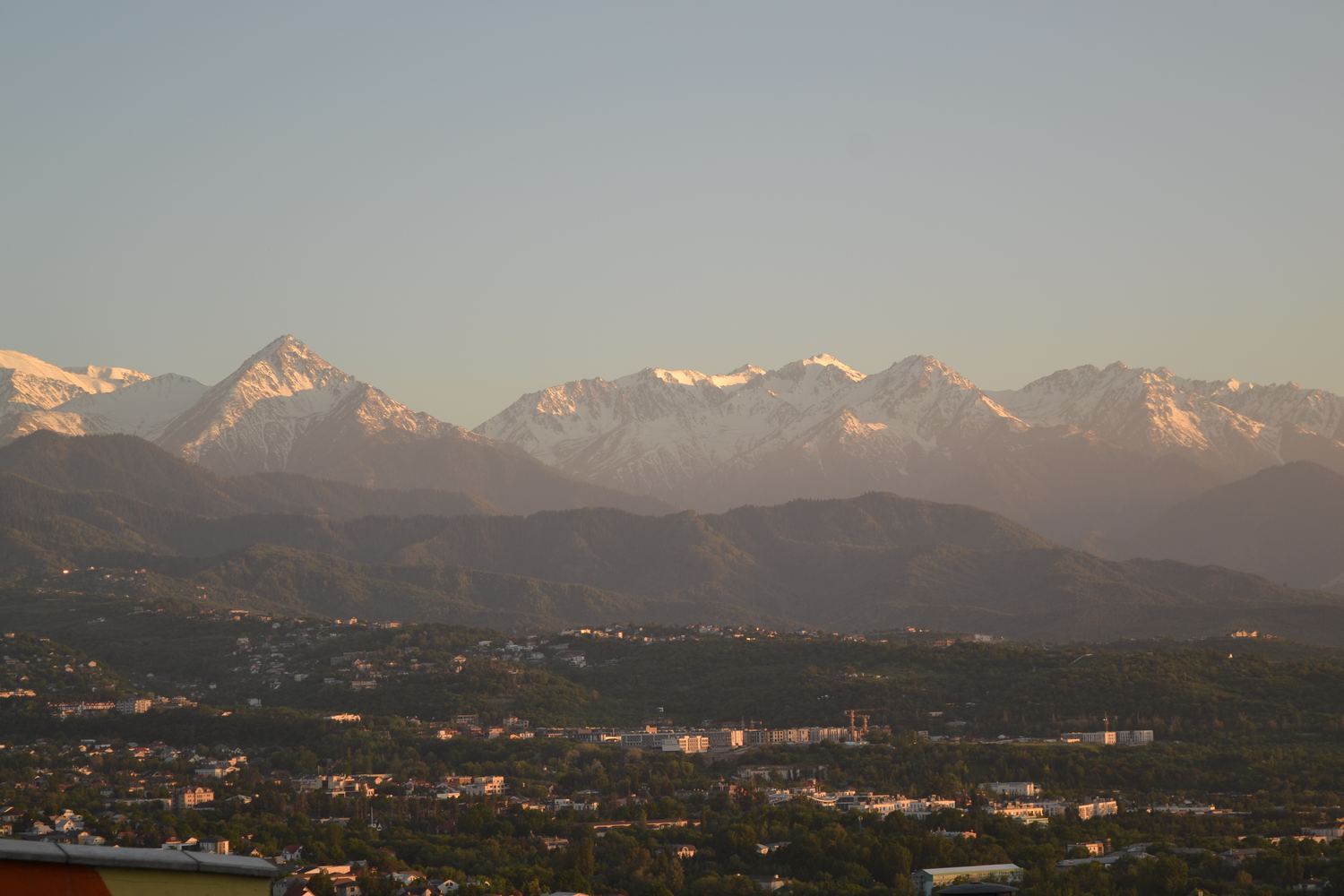
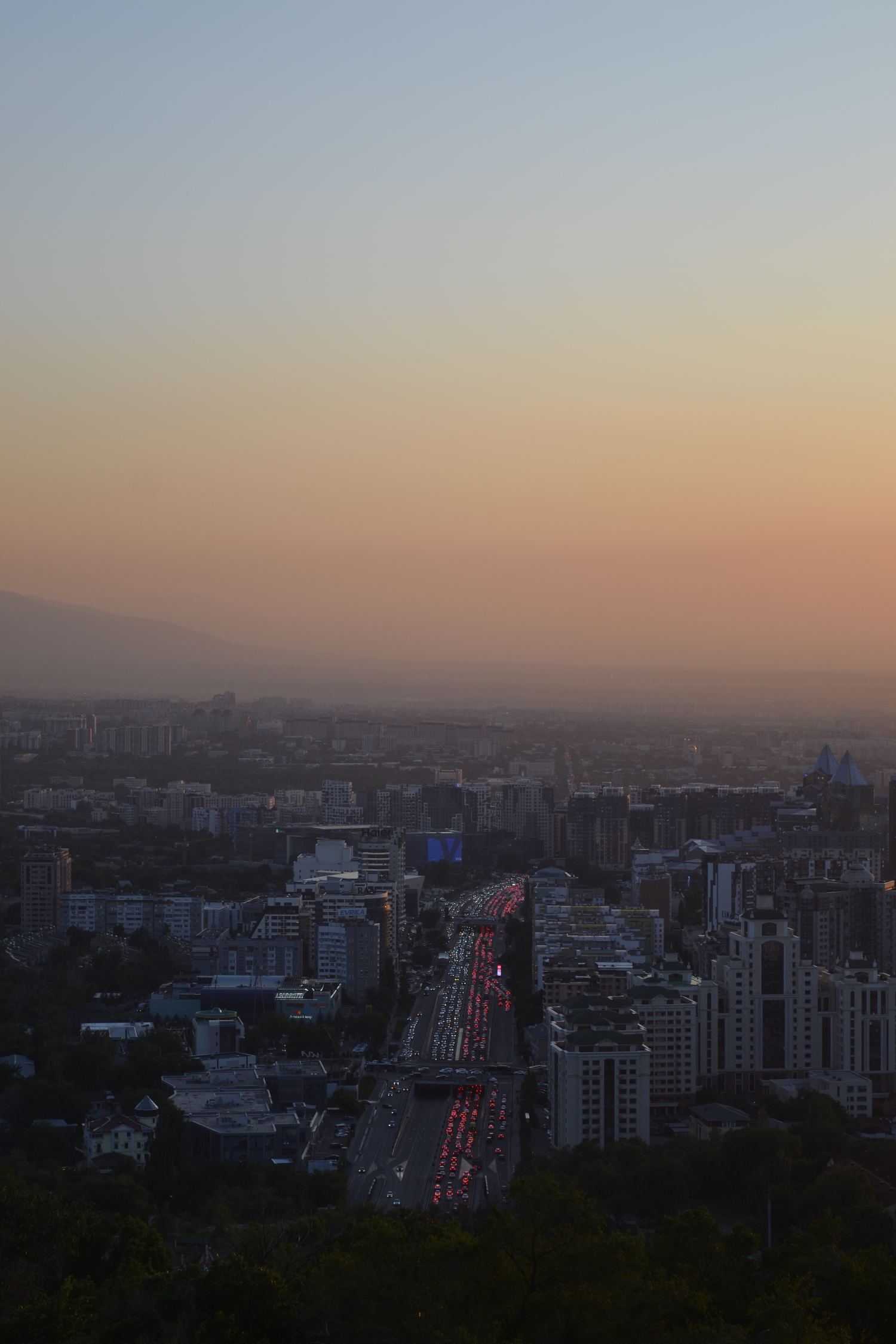
Almaty surprised me. I had been expecting Soviet apartment blocks and got, instead, a tree-lined city of fountains and old wooden orthodox churches, with snow-covered mountains visible at the end of nearly every south-running street. There was a wind coming off the Tien Shan that smelled, faintly, of pine.

Almaty, the southern view16.05 · 14:37
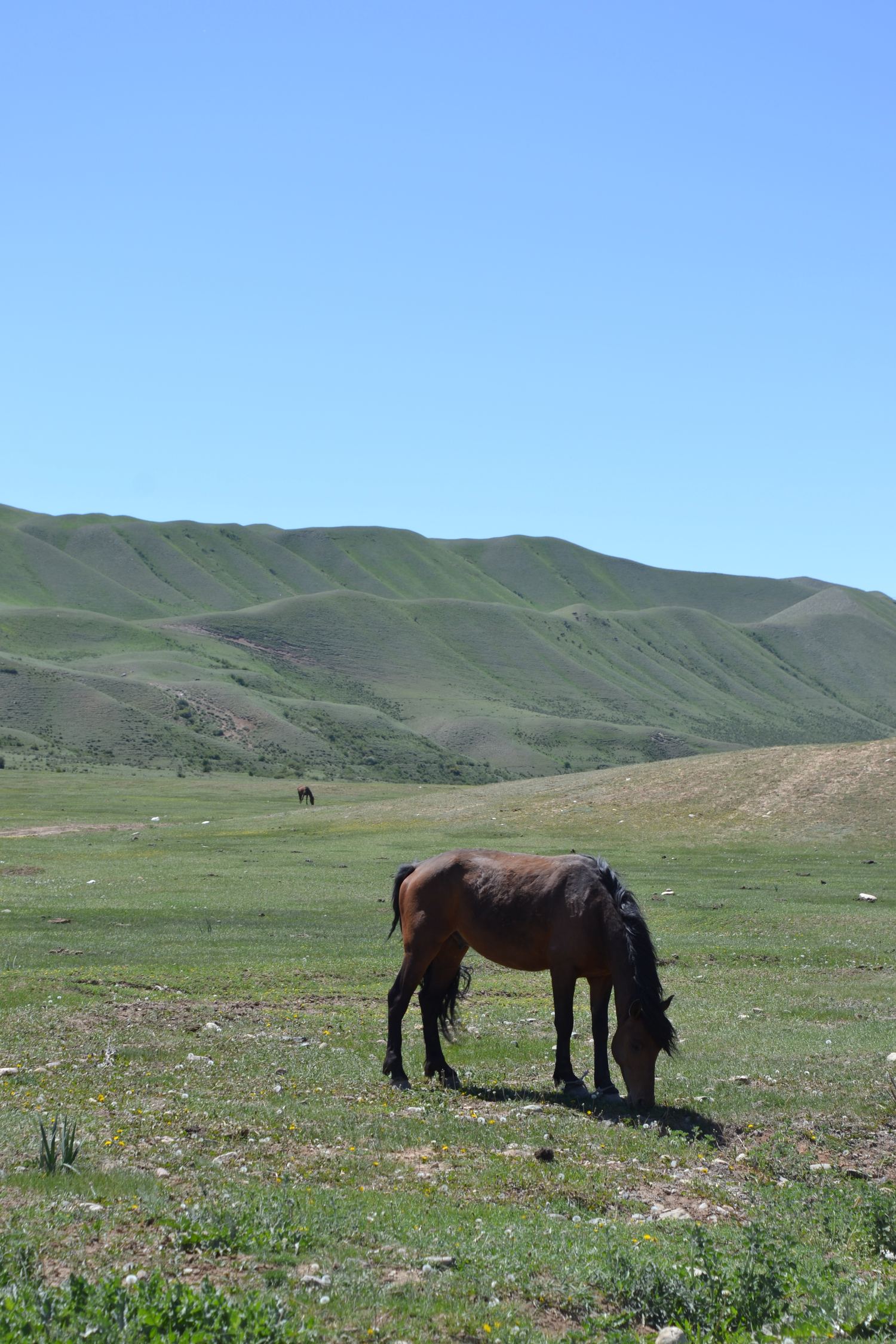
The road north, out of the foothills16.05 · 16:24
// crossing: Yallama (UZ) → Saryagash (KZ)
depart:    02:40  Tashkent
arrive:    04:11  Saryagash
queue:     ~ 38 min  // quiet hour, lucky
stamp:     "crooked, beautiful"
currency:  "KZT — tenge"
first_buy: "hot samsa + tea, 600 KZT"
latitude:  +41.4625
longitude: +69.2014
notes:     "the sky began to lighten at 04:48"
Field Notes — Kazakhstan
Samsa (oven, hot)
KZT 250
Beshbarmak, lunch
KZT 2,200 (≈ £3.80)
Train, Almaty → Astana
KZT 9,400 — plats, lower berth
Coffee, Almaty
KZT 1,100
Greeting
Сәлеметсіз бе — Sälemetsiz be
Largest country on the trip
2.72 M km²
Last photograph
18.05 · 14:23 · Astana
“There is a particular kind of quiet that exists only on the steppe at sunset, and it is not the absence of sound, but the presence of an enormous, patient listening.” — Steppe, north of Almaty, 17.05
Astana — modernism on the open plain18.05 · 13:53

On the last evening of the trip I walked along the river in Astana watching the sun go down behind a row of buildings that looked as though they had been designed by someone who had never been told no. I had run out of words. I had nearly run out of money. I had, finally, an hour to sit on a bench in a country I had wanted to see for fifteen years, doing nothing at all.

Further fragments — Kazakhstan

— end of the line —

The aeroplane home left Astana just after midnight and I slept against the window with the small green light of the wingtip flashing somewhere beyond my eyelids. Six weeks fit, in the end, into a notebook, two memory cards, and one quiet sentence I'd been writing all the way.

The line was always there. I just had to walk it.